Welcome to Yorkshire
History • May 15th, 2026
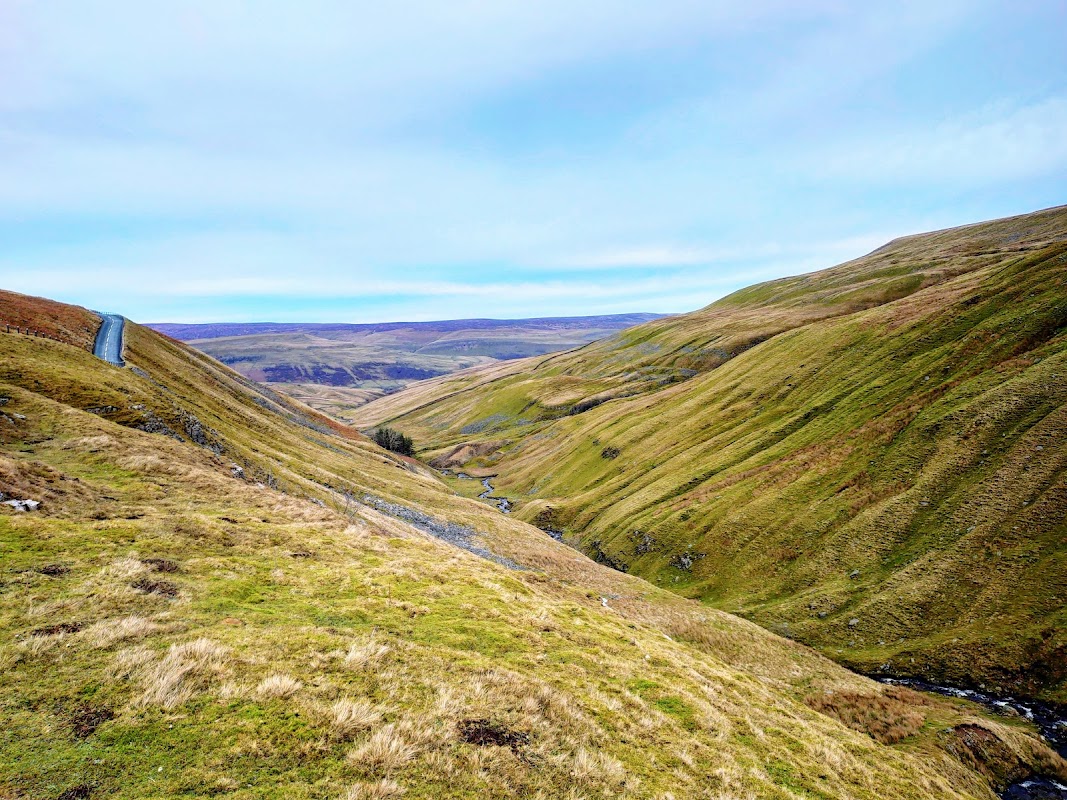
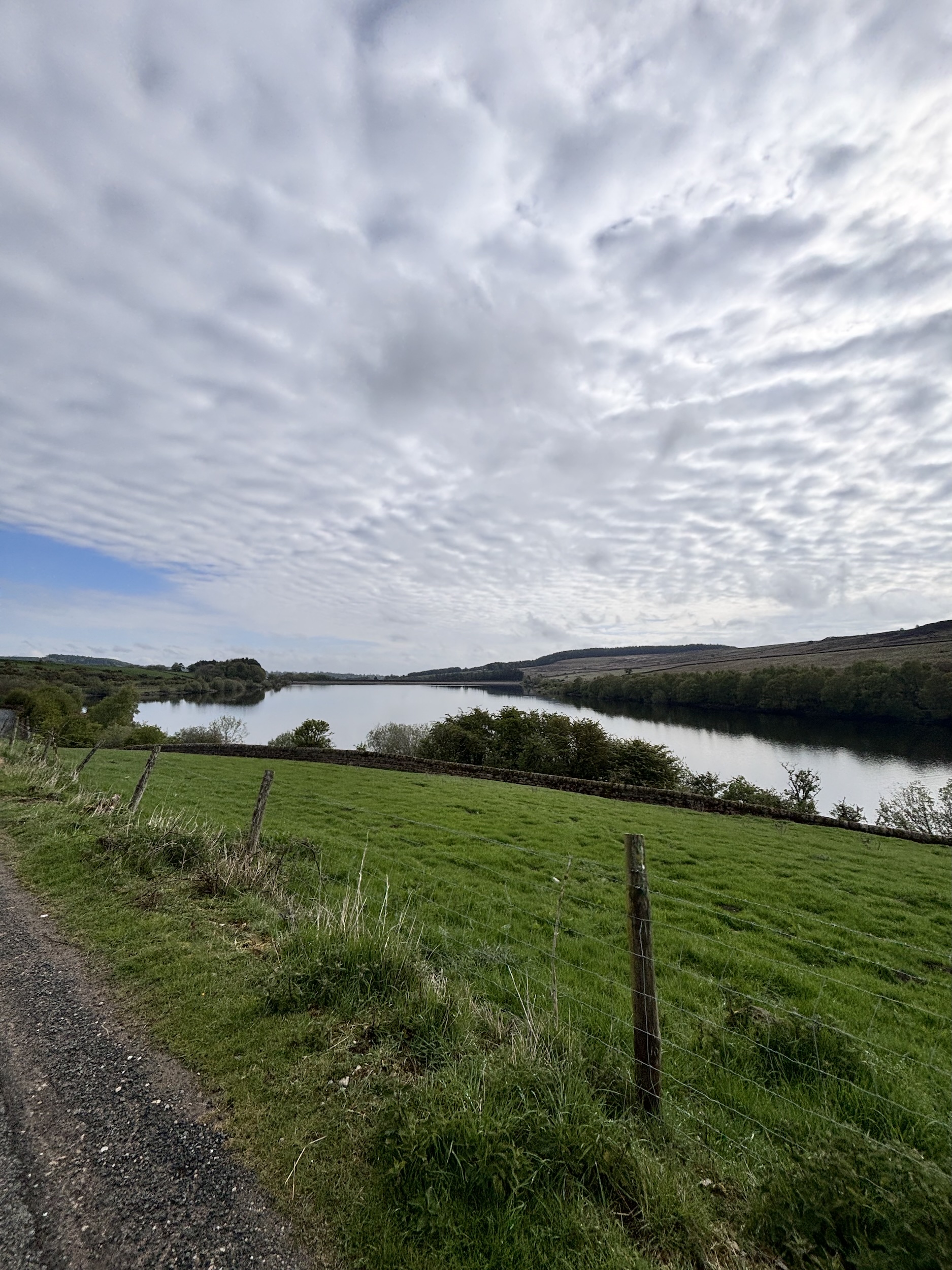
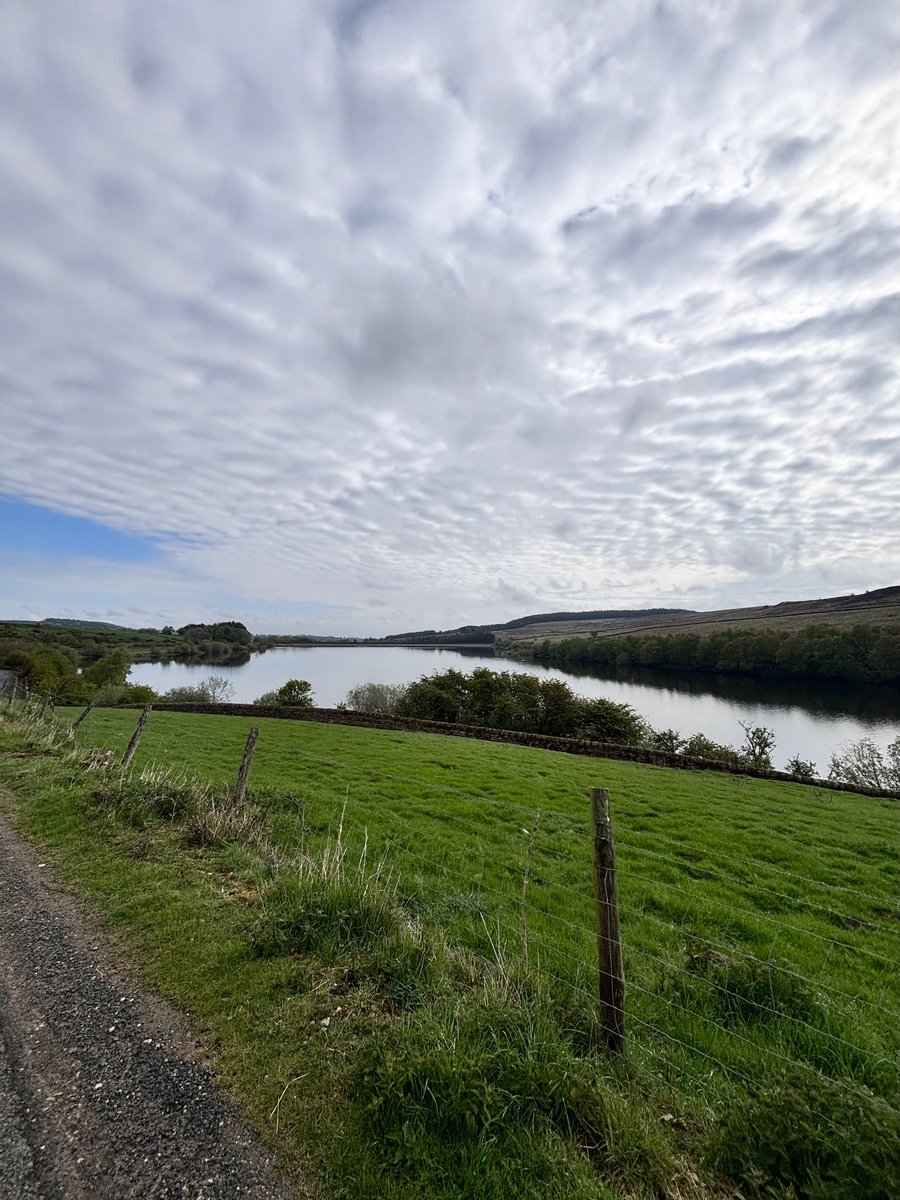
|High on the bleak moorland of the Washburn Valley in North Yorkshire lies Thruscross Reservoir. Before the reservoir existed, the valley was home to the small settlement of West End, a scattered farming community surrounded by rough pasture and stone cottages. Winters were harsh on the exposed moor, and the Washburn Beck frequently flooded after heavy rain.
During the 19th century, Yorkshire’s growing cities created an increasing demand for clean water. Leeds, Bradford, and surrounding areas expanded rapidly during the Industrial Revolution, and existing reservoirs struggled to supply the swelling population. Engineers began surveying remote upland valleys where rainfall was plentiful and the terrain suitable for dam construction. The Washburn Valley became an obvious choice.
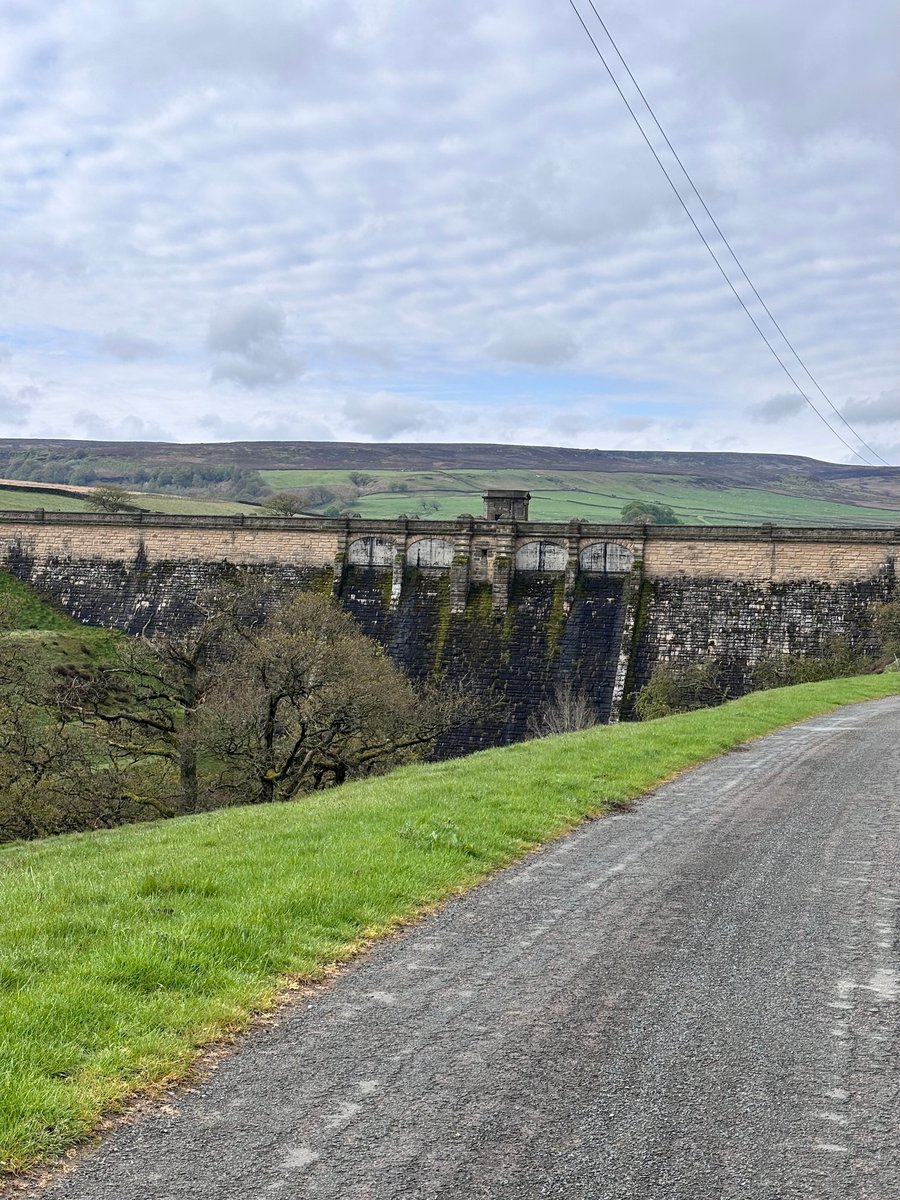
Construction of Thruscross Reservoir began in the 1950s under the direction of the Leeds Corporation Waterworks Department. The project transformed the landscape entirely. Roads were rerouted, farms abandoned, and the remaining residents of West End moved away. More notably, many buildings had to be demolished before the valley floor disappeared beneath the rising water. For many local families, the flooding of the village marked the end of a way of life that had endured for generations. Evidence of the old flax mill survives most clearly beside the trail which now runs around the reservoir, while further remnants of the village are scattered across the area. A more unusual aspect of the site’s history is that those buried in the churchyard at West End were later disinterred and moved to a safer resting place along Greenhow Hill Road.
When the reservoir was completed in 1966, it became the largest in the Washburn Valley chain, joining nearby Fewston and Swinsty reservoirs in supplying water across West Yorkshire.
During particularly dry summers, the outlines of the lost village slowly emerge from the receding water, revealing crumbling stone cottages, sections of cobbled track, collapsed barn walls, and the moss-covered remains of the old flax mill.
Address: Reservoir Road, Thruscross, Harrogate HG3 4BB.
Books by Dr Emma Wells #ad


Yorkshire Team
The Yorkshire.com editorial team is made up of local writers, content creators, and tourism specialists who are passionate about showcasing the very best of God’s Own Country. With deep roots in Yorkshire’s communities, culture, food scene, landscapes, and visitor economy, the team works closely with local businesses, venues, and organisations to bring readers the latest news, events, travel inspiration, and insider guides from across the region. From hidden gems to headline festivals, Yorkshire.com is dedicated to celebrating everything that makes Yorkshire such a special place to live, work, and visit.
View all articles →