
Welcome to Yorkshire
Published on July 31st, 2026
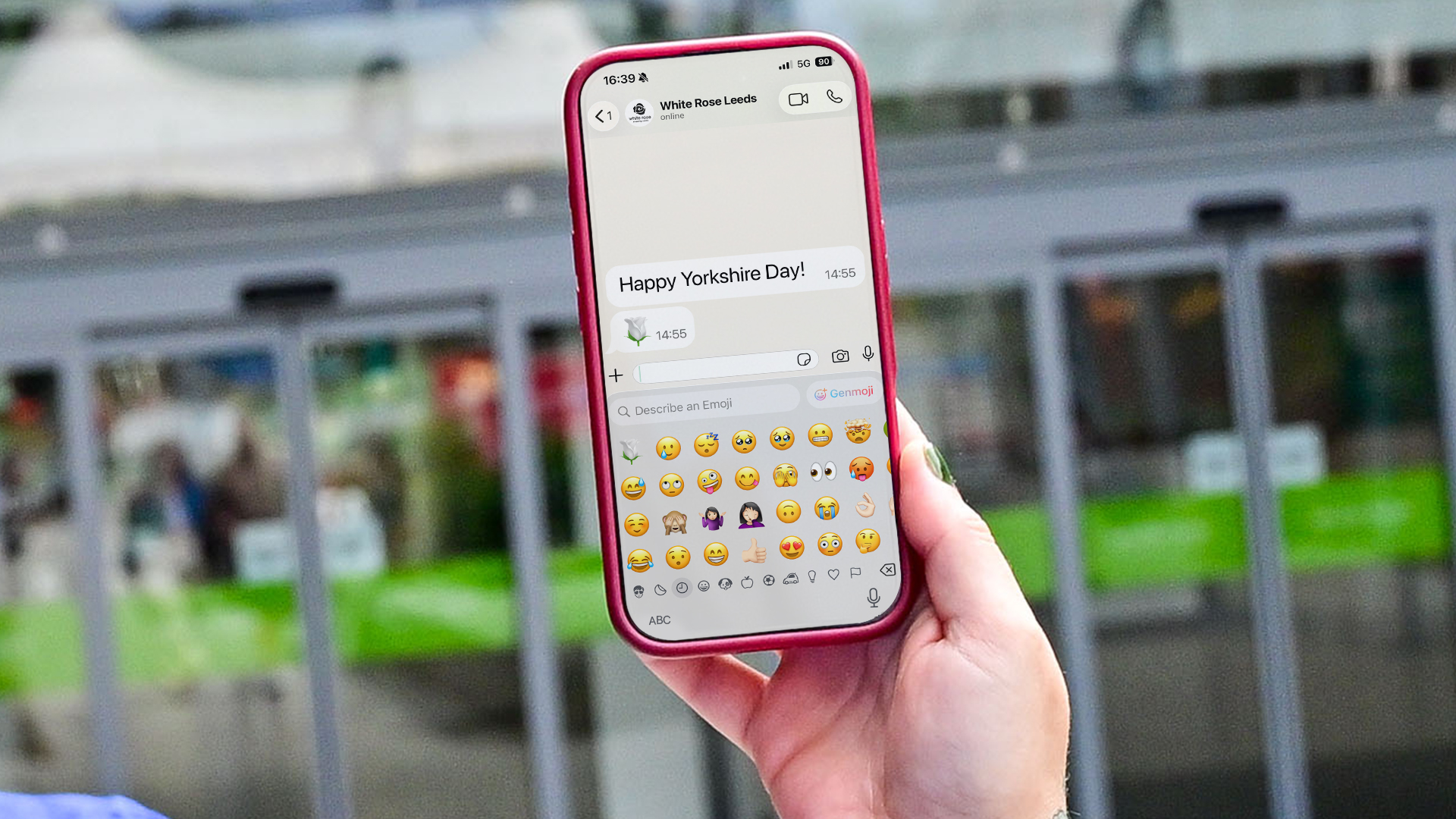
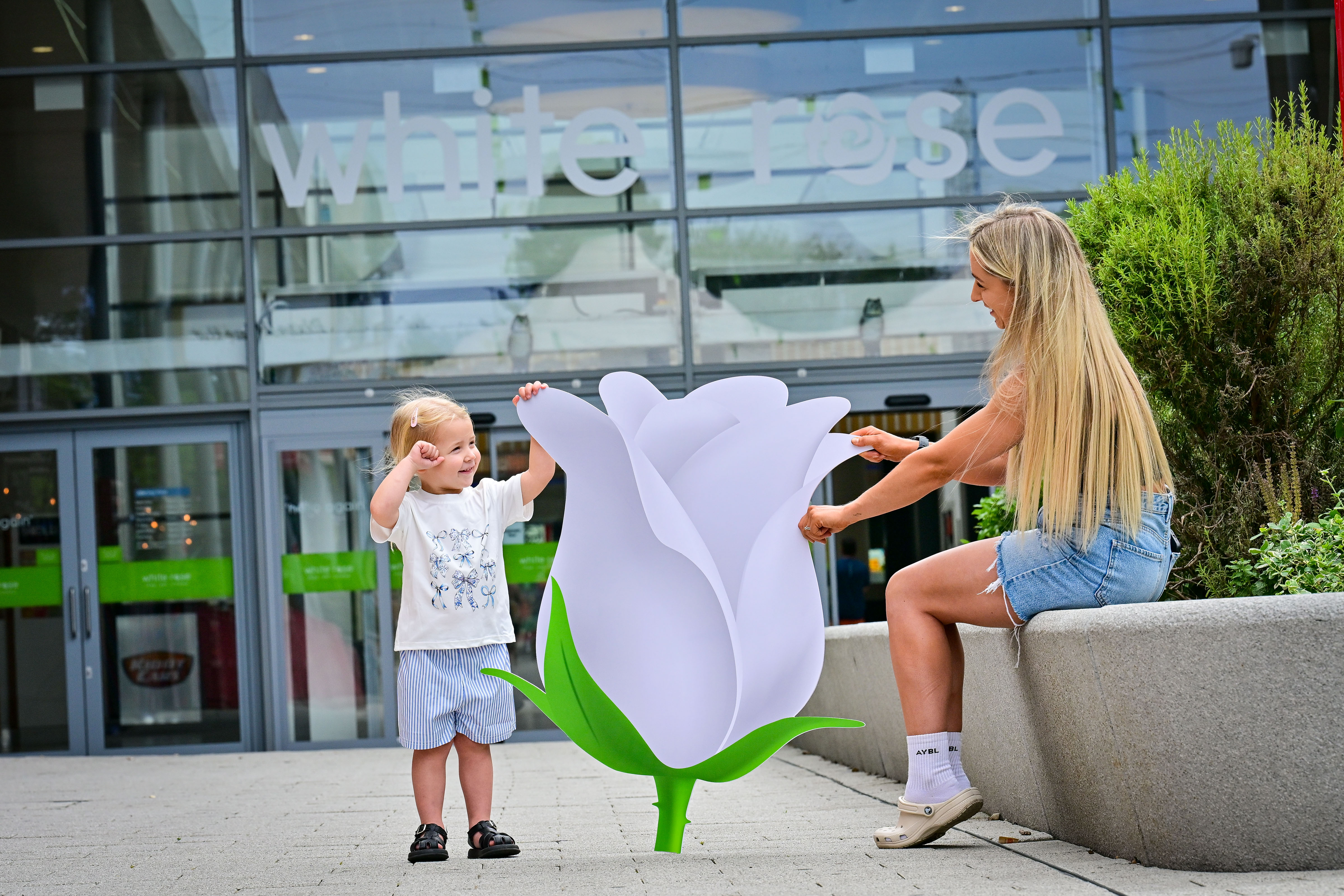
•As Yorkshire Day approaches on Saturday, 1st August, excitement is building around a campaign led by the White Rose Shopping Centre in Leeds. The centre is pushing for the inclusion of a ‘white rose’ emoji on keyboards around the world and has submitted an official proposal to The Unicode Consortium, the organisation responsible for approving new emojis. This initiative not only celebrates Yorkshire's heritage but also aims to provide a recognisable symbol for the region.
Campaign Launch
The campaign to introduce the white rose emoji is part of a broader effort to ensure that Yorkshire's identity is represented in popular culture. The White Rose Shopping Centre has taken a proactive approach by conducting a nationwide YouGov study, which revealed that 58% of UK residents would use a white rose emoji if it were available. This shows a significant interest in having a digital symbol that resonates with many, particularly in relation to topics such as gardening, weddings, history, and, most notably, Yorkshire itself.
Unicode Consortium’s Role
The Unicode Consortium plays a crucial role in the world of emojis. This non-profit organisation sets the global standard for character encoding, which is used across more than 20 billion devices. Each year, it accepts proposals for new emojis, and the White Rose Shopping Centre is now waiting for a review of its detailed application. If the proposal is approved, it could take up to two years for the emoji to appear on devices worldwide.
Why the White Rose?
The white rose is not just a pretty flower; it carries deep historical and cultural significance. In Western culture, it represents purity, innocence, and new beginnings. It is commonly associated with weddings and memorial ceremonies. In fact, the flower has been used throughout history in various ways:
Weddings: White roses have been a popular choice for wedding bouquets for centuries. They were famously used by Queen Victoria in her marriage to Prince Albert in 1840.
Funerals: The white rose is often chosen for memorials due to its associations with innocence and respect. It represents both mourning and hope for new beginnings.
Mythology: In Greek and Roman mythology, the white rose is linked to love and beauty, symbolising purity and secrecy.
Religion: The Virgin Mary is often depicted with white roses in Christian art, symbolising purity and virtue.
"Recognisable Representation"
Steven Foster, the Centre Director at White Rose Shopping Centre, expressed the importance of this campaign:
“While the red rose emoji has existed since 2010, it’s a disservice to our wonderful region that we aren’t able to share a quick, recognisable representation of the home we’re so proud of.”
He emphasised that the white rose has been used globally to represent various concepts over the years, from weddings to memorials.
Historical Context
The roots of the white rose run deep in Yorkshire's history. The most notable association is with the War of the Roses, a series of conflicts that took place between 1455 and 1487. The white rose symbolised the House of York, while the red rose represented the House of Lancaster. This historical backdrop adds an extra layer of significance to the campaign, as Yorkshire Day itself is celebrated on 1st August, a date that commemorates both the Yorkshire spirit and the end of slavery.
The Future of the Emoji
If the proposal is accepted, the white rose emoji could soon provide a new way for people to express their pride in Yorkshire. The Unicode Consortium is expected to respond to this year's proposals by December 2026. The anticipation surrounding this campaign highlights a growing desire for regional representation in digital communication.
For those interested in keeping up with updates on the white rose emoji campaign, the White Rose Shopping Centre has set up a sign-up page on their website. As Yorkshire Day approaches, this campaign not only aims to celebrate local heritage but also to connect people through a symbol that embodies the spirit of the county.
