Welcome to Yorkshire
History • February 28th, 2024
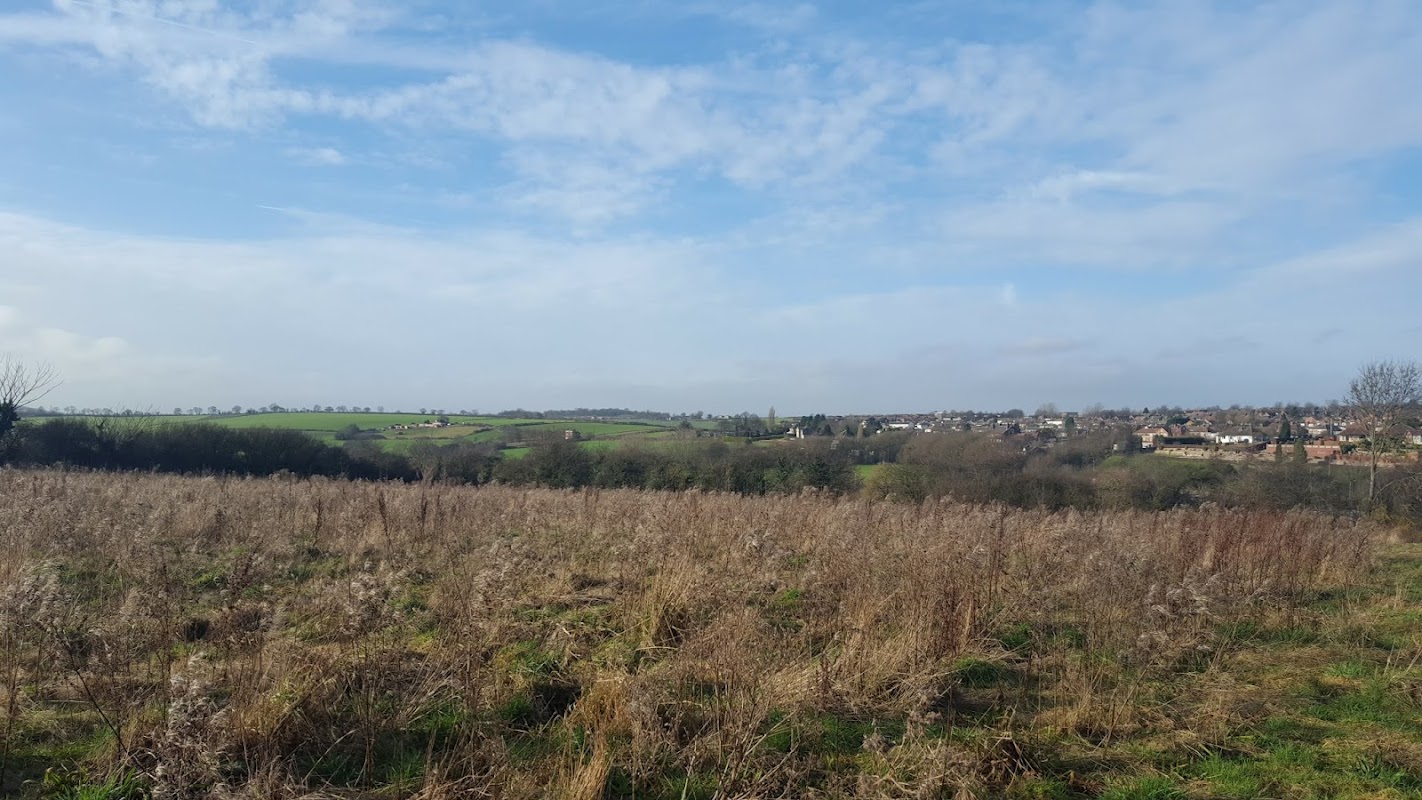
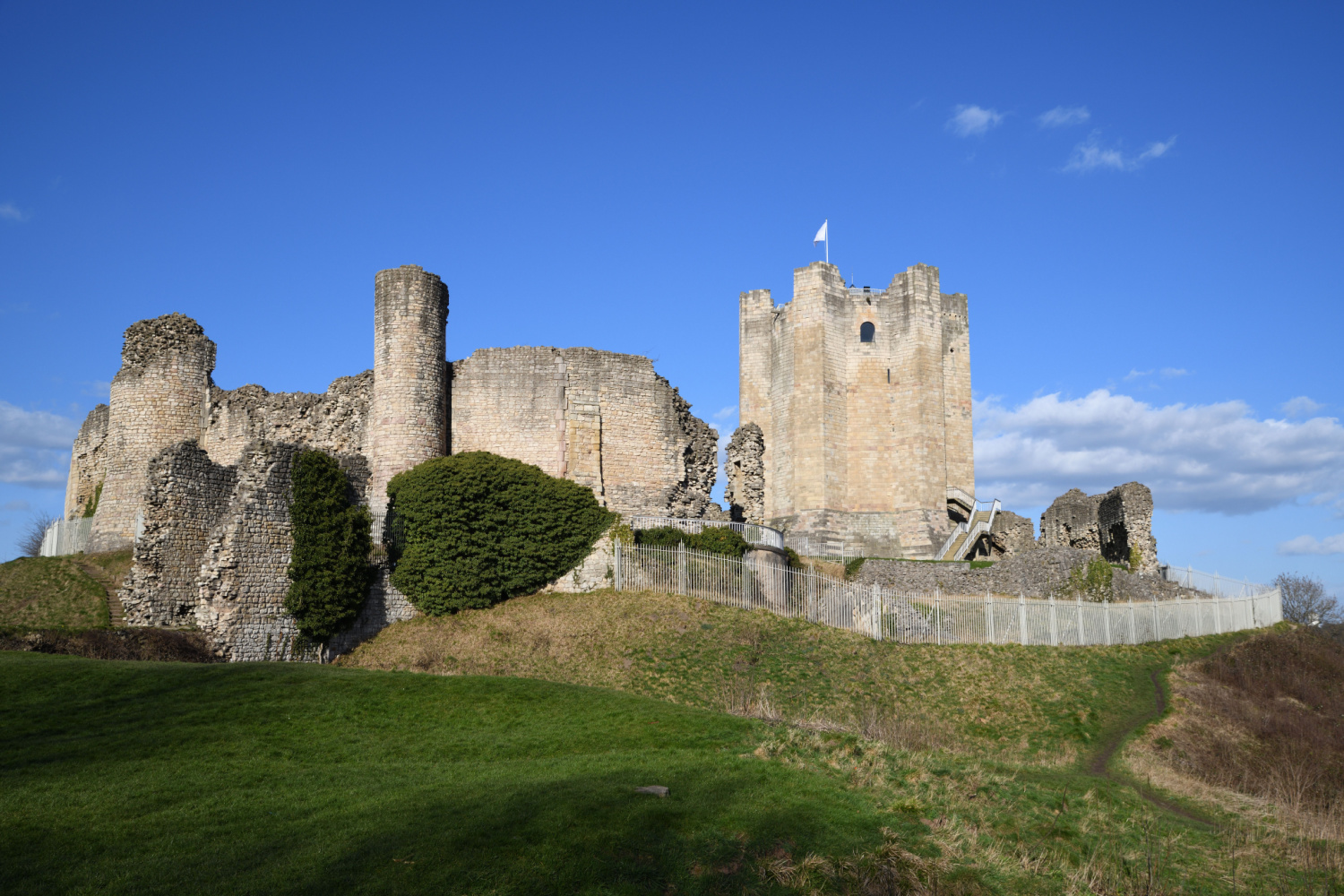
|One of South Yorkshire’s most dramatic and imposing structures, the castle at Conisbrough near Doncaster has stood at the centre of Norman rule for almost a thousand years. Housed within a stunning picturesque landscape, perched strikingly above the Don Valley in a naturally defensive position, is it any wonder that Sir Walter Scott supposedly chose it as the inspiration for the castle in his novel, Ivanhoe?
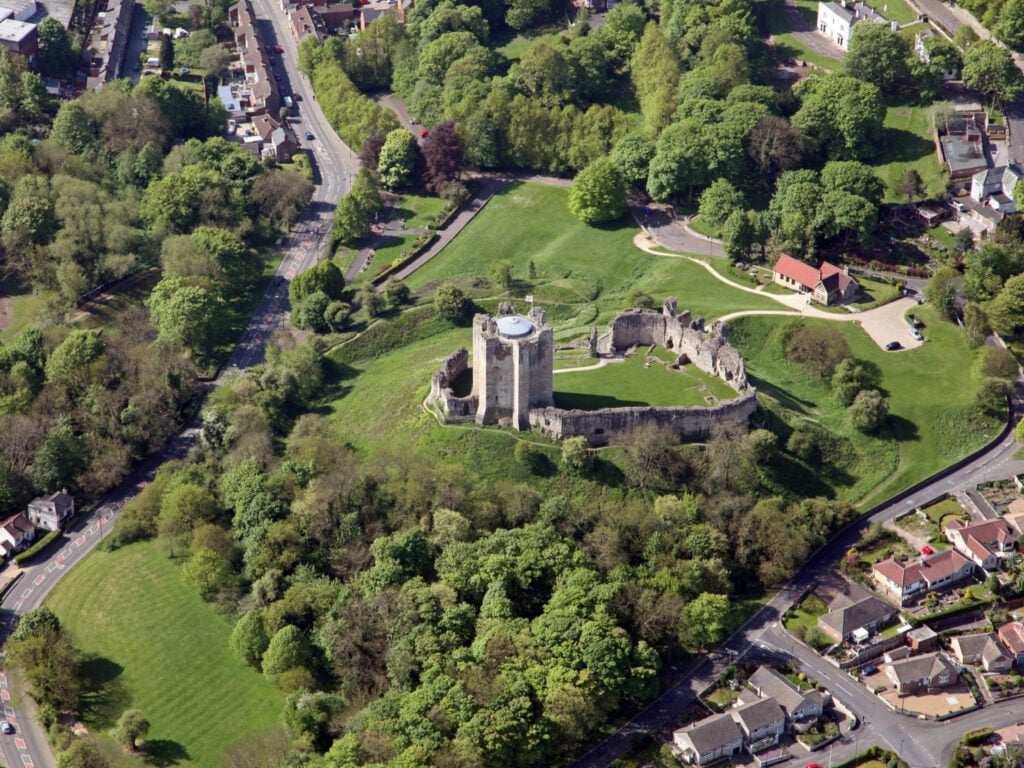
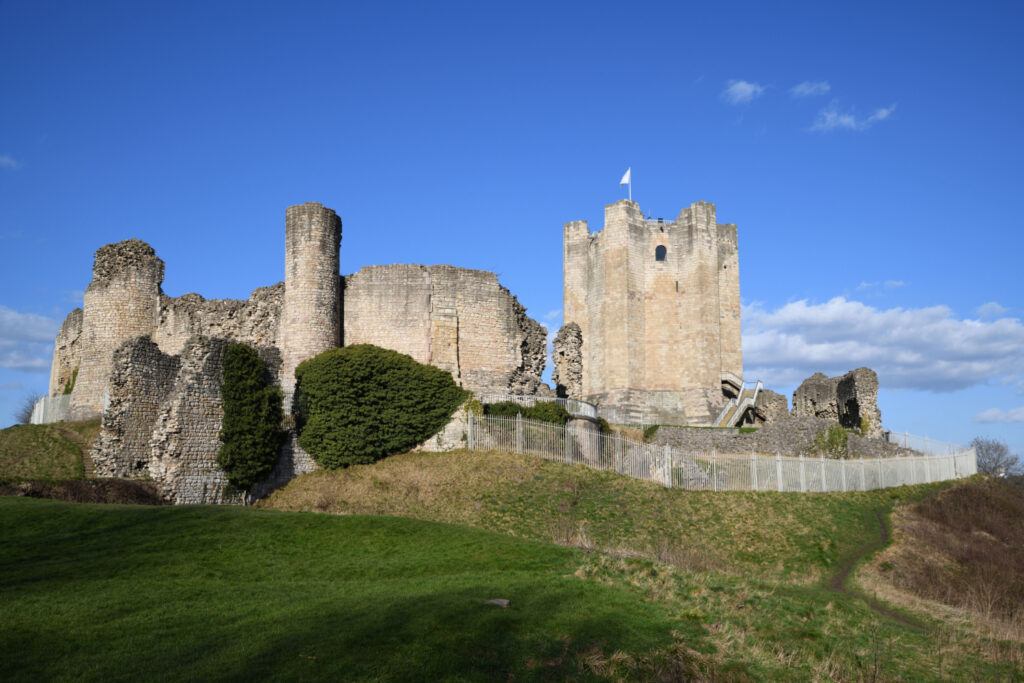
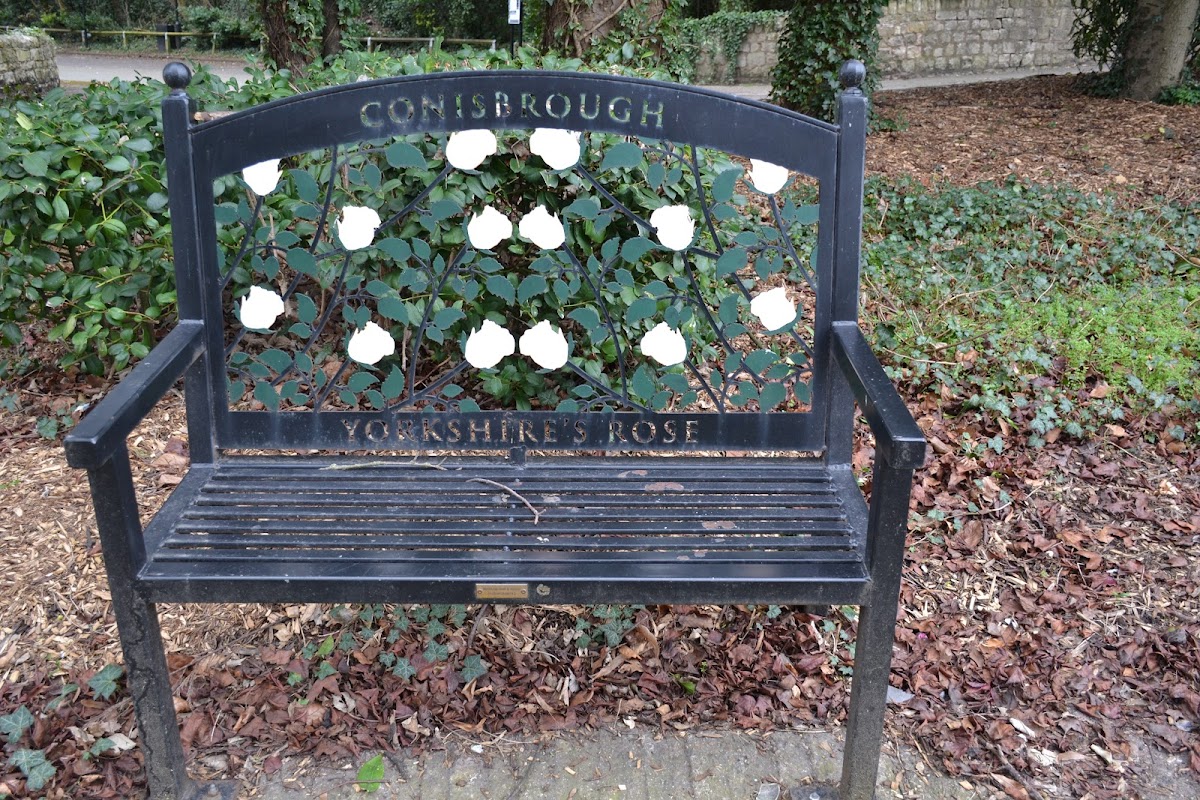
The name ‘Conisbrough’ derives from the Anglo-Saxon word ‘Cyningesburh’, which translates to ‘the king’s borough’—and this tells us much about its past. Likely a royal estate and minster of the Anglian kings of Northumbria, Conisbrough, though today a mere town, was once a significant settlement. And that would only grow following the 1066 Norman Conquest, as William the Conqueror presented the honour of Conisbrough to formidable noble, William de Warenne. At this time, the site likely comprised a timber palisade perched upon a bailey. It is Earl Hamelin Plantagenet, Henry II’s half-brother, who we should thank for the stark white circular limestone stone keep (probably the first example of a circular stone keep in England) that still remains, which has been dated to the 1170s or 1180s, the embracing curtain wall and inhabited buildings which lined within, likely followed soon after.
The castle remained one of the principal seats of the Warennes until the 14th century, when it was the turn of the House of York to position the castle at the centre of the turbulent era. It was likely Edmund Langley, 1st Duke of York, that transformed the domestic areas of the castle. From then on, Conisbrough sat at the heart of the political machinations of the day, hosting the conspiracy to assassinate Henry V at Southampton among many others. Yet, despite its importance and royal status, it was faced with abandonment in the late 15th century. By the reign of Henry VIII, Conisbrough Castle was virtually a ruin, with surveyors reporting that a substantial portion of the south curtain wall had collapsed. Passing into royal hands for a brief period until the late 17th century, it then found itself in the ownership of several local gentry families until the castle was taken into state guardianship in 1950. Today it is cared for by English Heritage.
See our article on the most popular Yorkshire castles.
Conisbrough Castle, Castle Hill, Conisbrough, Doncaster DN12 3BU
Books by Dr Emma Wells
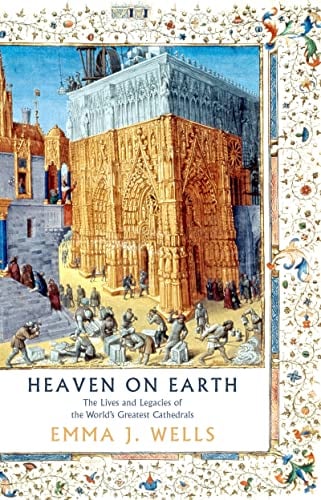
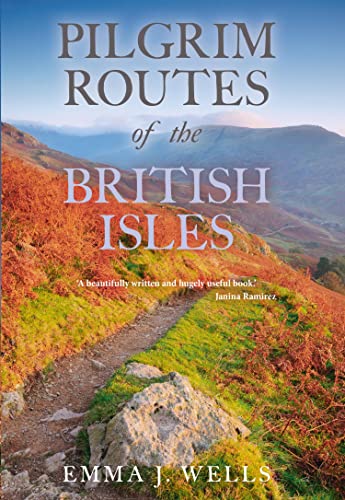

Emma Wells
Dr Emma Wells has appeared as a historian on Yesterday, Curiosity Stream, Viral History, From the Dales to the Sea – A Great British Story, and as a ‘Don’ on BBC Radio 4’s The 3rd Degree and much more. Her first book, Pilgrim Routes of the British Isles, was released in 2016, and her most recent book Heaven On Earth: The Lives & Legacies of the World’s Greatest Cathedrals, was published in 2022.
View all articles →