
Welcome to Yorkshire
News • July 23rd, 2024
|In a Momentous Step for Cheetah Conservation, Yorkshire Wildlife Park Welcomes Its First Cheetah Cubs to the Main Reserve
In a heartening display of wildlife conservation, two three-month-old cheetah cubs have made their public debut at the award-winning Yorkshire Wildlife Park. These cubs, born to their mother Darcy, represent a significant stride in the efforts to conserve this vulnerable species, with wild cheetah populations dwindling to around 7,000.
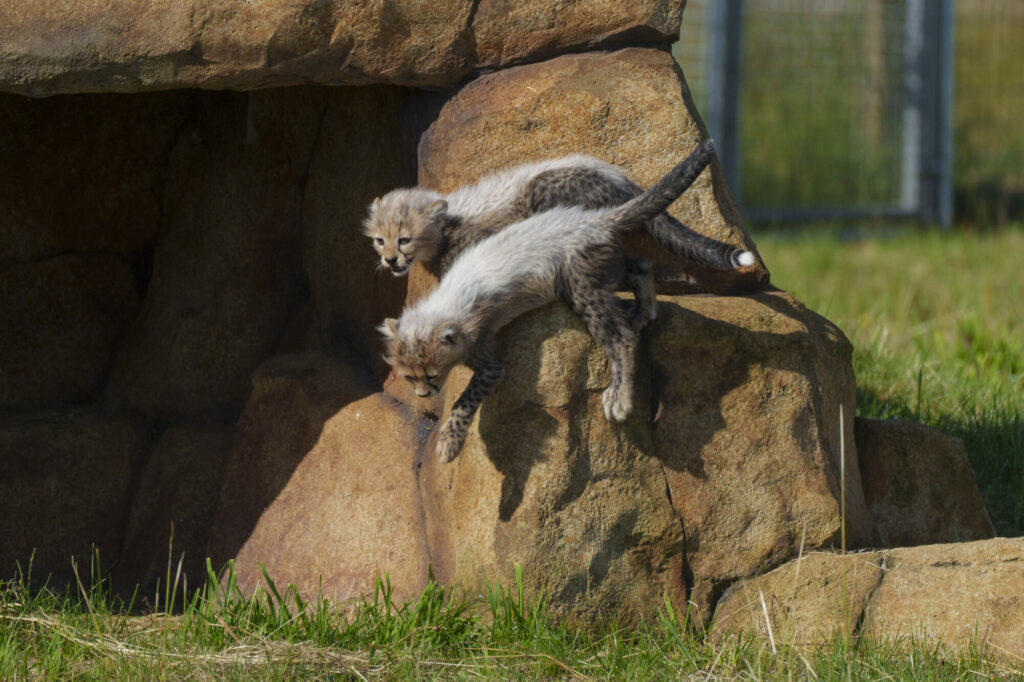
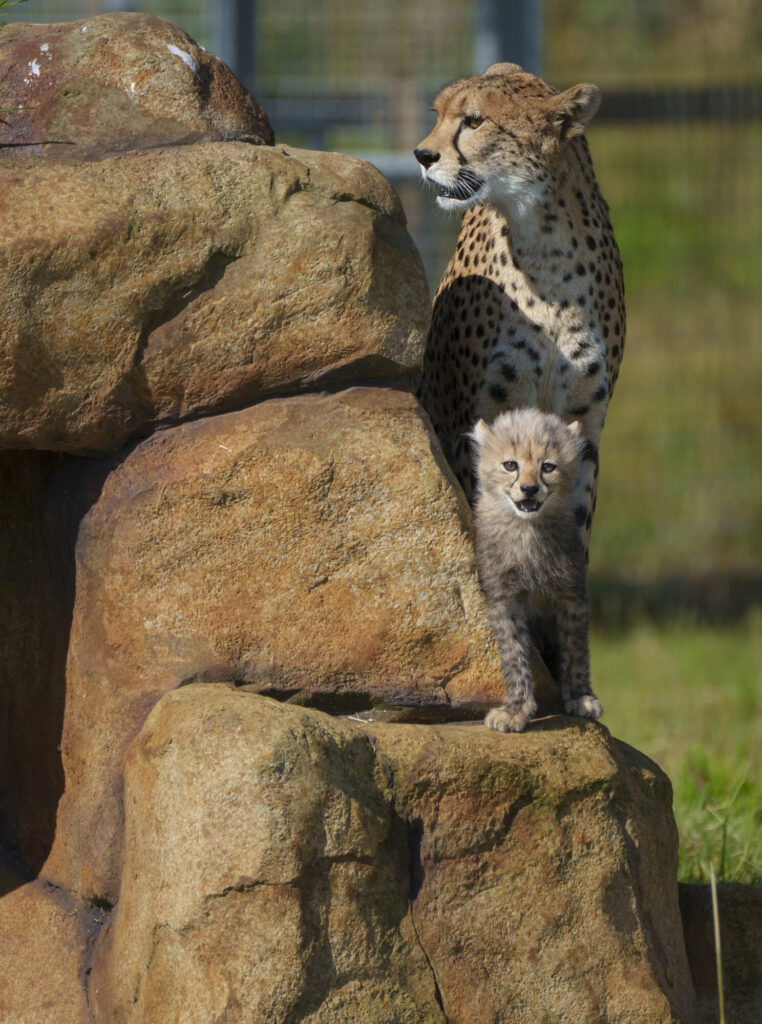
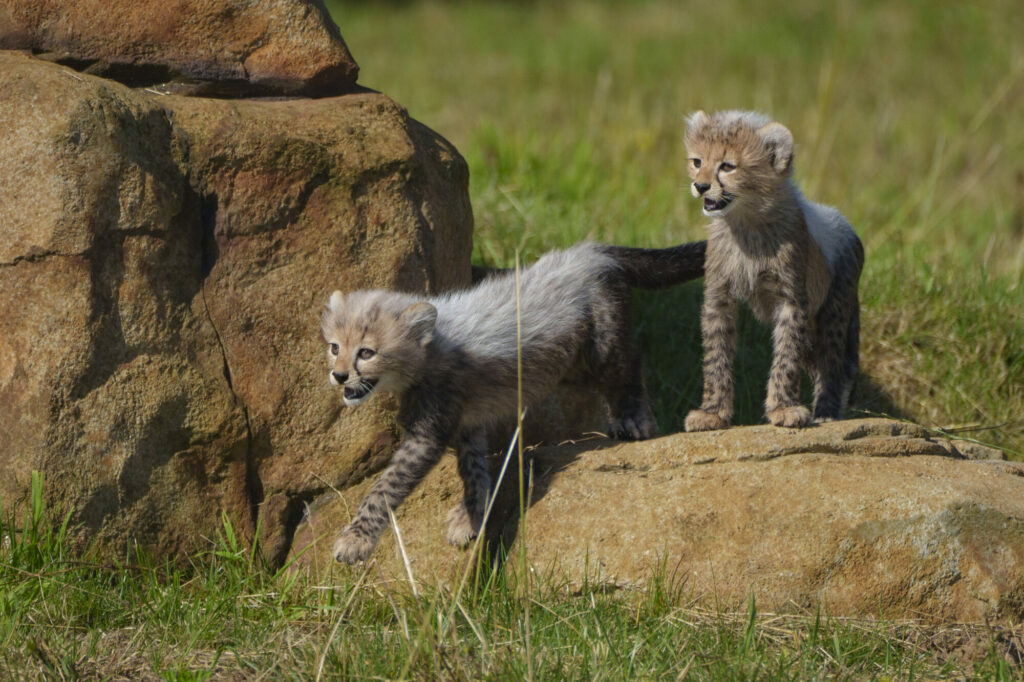
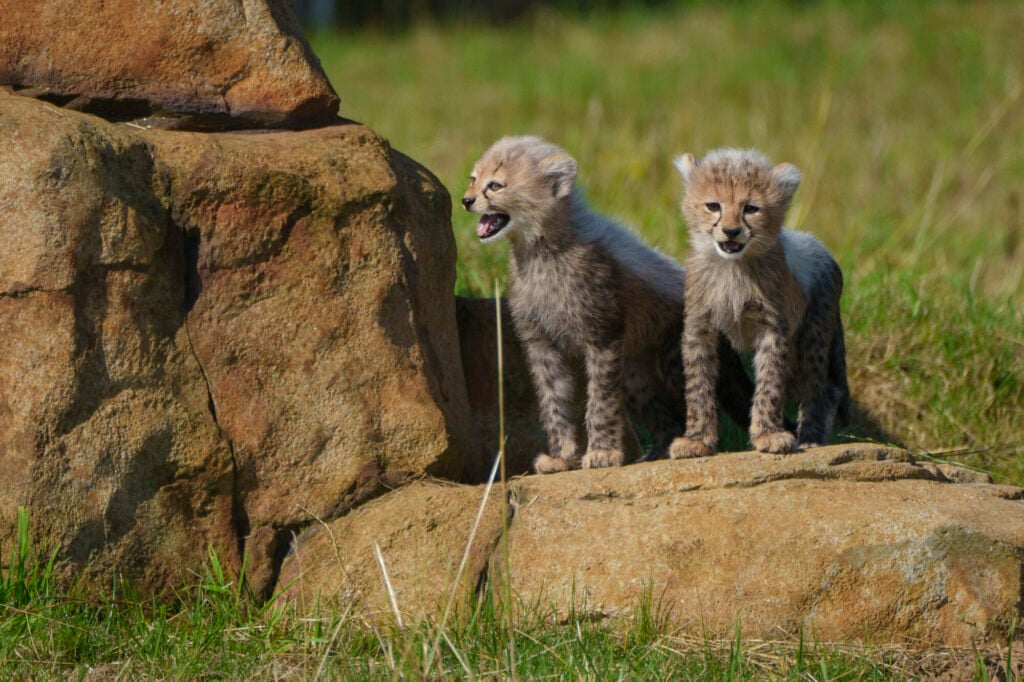
Darcy, aged four, and their father, 13-year-old Brook, were relocated to the park’s Cheetah Territory last year. This move was part of a European breeding project aimed at bolstering cheetah numbers. The park, near Doncaster, provided a nurturing environment with three spacious reserves and two specially-designed houses for the cheetah family.
After three months under the attentive care of Darcy within the safety of their enclosure, the cubs are now robust enough to explore the expansive 10,000 square metre reserve. This area is designed to mimic their natural habitat, complete with caves and grasslands.
“We’re so pleased that our cubs are strong and healthy and ready to be released into the reserve where visitors will be able to see them properly for the first time,”
said Dr Charlotte Macdonald, Director of Animals at Yorkshire Wildlife Park.
The Yorkshire Wildlife Park collaborates with the Cheetah Conservation Fund (CCF), an organisation dedicated to the preservation of cheetah ecosystems. Their approach focuses on interventions that are not only environmentally sustainable but also socially responsible and economically viable.
CCF's Director of Development, James Hanaway, expressed his delight:
“We are thrilled to see these two new Northern Cheetah cubs born in Yorkshire Wildlife Park’s endangered species breeding programme. These births mark the beginning of a new partnership between Yorkshire Wildlife Park and CCF UK. Together, we will work tirelessly to raise awareness and funds for CCF’s initiatives in Africa and beyond, striving for a world where cheetahs coexist harmoniously with humans and the environment.”
Cheetahs, revered by the ancient Egyptians, are one of the world's oldest big cat species. Known for their remarkable speed, they can reach up to 75 mph in short bursts and accelerate to 60 mph in just three seconds. However, over the past 50 years, cheetah populations have plummeted, leading to their extinction in 13 African countries due to poaching, habitat loss, and human-wildlife conflicts.
Yorkshire Wildlife Park in Doncaster prioritises conservation in all its undertakings, offering visitors an immersive experience that brings them face to face with some of the planet’s most stunning and endangered species, such as Polar Bears, Black Rhinos, Giraffes, and African Painted Dogs.
Key Highlights
- Introduction of the Cheetah Cubs: The first ever cheetah cubs born at Yorkshire Wildlife Park are now venturing into the main reserve.
- Darcy and Brook: The parent cheetahs, part of a European breeding programme, were instrumental in this conservation success.
- Cheetah Conservation Fund Partnership: Collaboration with CCF aims to enhance cheetah conservation efforts both locally and globally.
- Educational and Engaging Visitor Experience: The park provides an educational walk-through experience, emphasizing the importance of wildlife conservation.
A Commitment to Conservation
Yorkshire Wildlife Park’s collaboration with the Cheetah Conservation Fund exemplifies their commitment to wildlife preservation. By nurturing and protecting these cheetah cubs, the park contributes to the broader efforts of ensuring the survival of cheetahs in the wild. This initiative not only aids in conserving a species at risk but also educates and engages the public, fostering a deeper understanding and appreciation of wildlife conservation.
The birth of these cheetah cubs at Yorkshire Wildlife Park is a beacon of hope, showcasing the positive impact of dedicated conservation efforts. Visitors to the park can now witness the lively and playful cubs, gaining insight into the critical importance of protecting and preserving the world’s vulnerable species.
Yorkshire Team
The Yorkshire.com editorial team is made up of local writers, content creators, and tourism specialists who are passionate about showcasing the very best of God’s Own Country. With deep roots in Yorkshire’s communities, culture, food scene, landscapes, and visitor economy, the team works closely with local businesses, venues, and organisations to bring readers the latest news, events, travel inspiration, and insider guides from across the region. From hidden gems to headline festivals, Yorkshire.com is dedicated to celebrating everything that makes Yorkshire such a special place to live, work, and visit.
View all articles →


