
Welcome to Yorkshire
History • June 6th, 2025
|Helmsley Castle, located within the market town of Helmsley on the edge of the North York Moors, has evolved dramatically over its 900-year history—from a medieval fortress to a Tudor mansion, Civil War stronghold, and romantic Georgian ruin in-between.
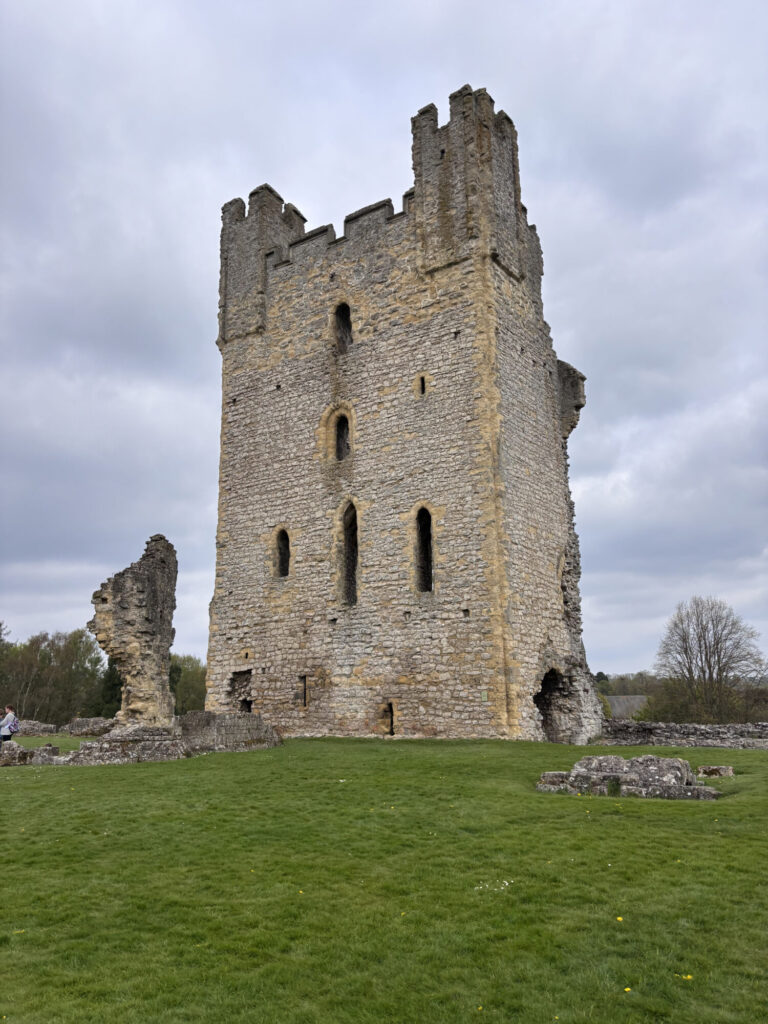
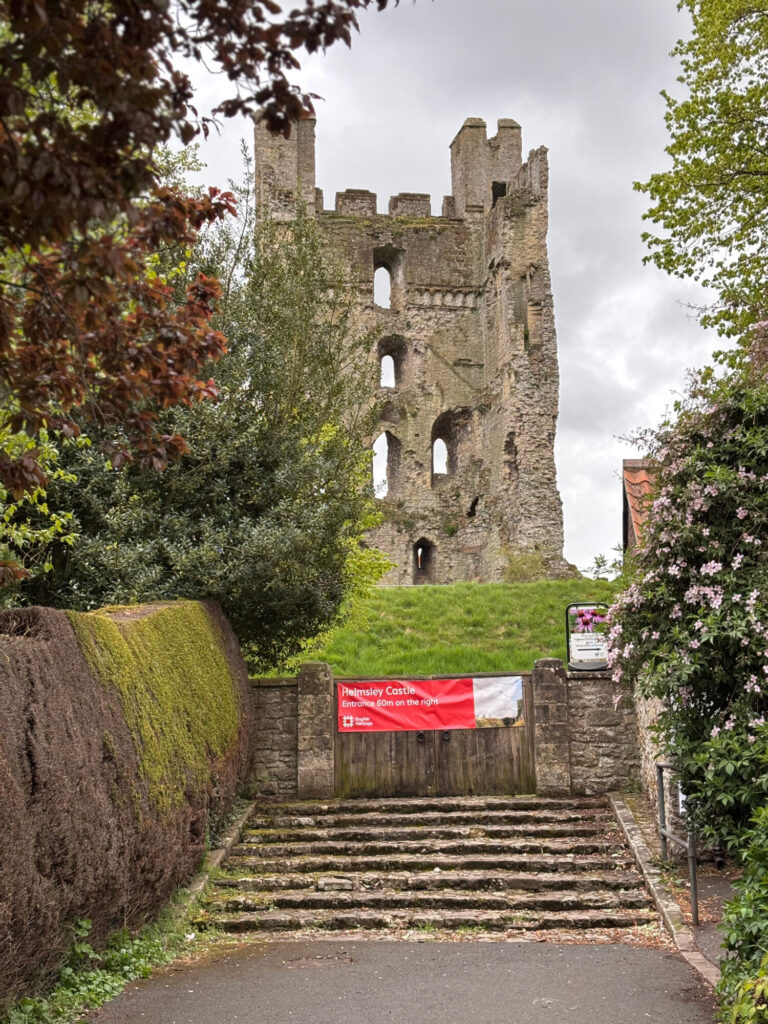
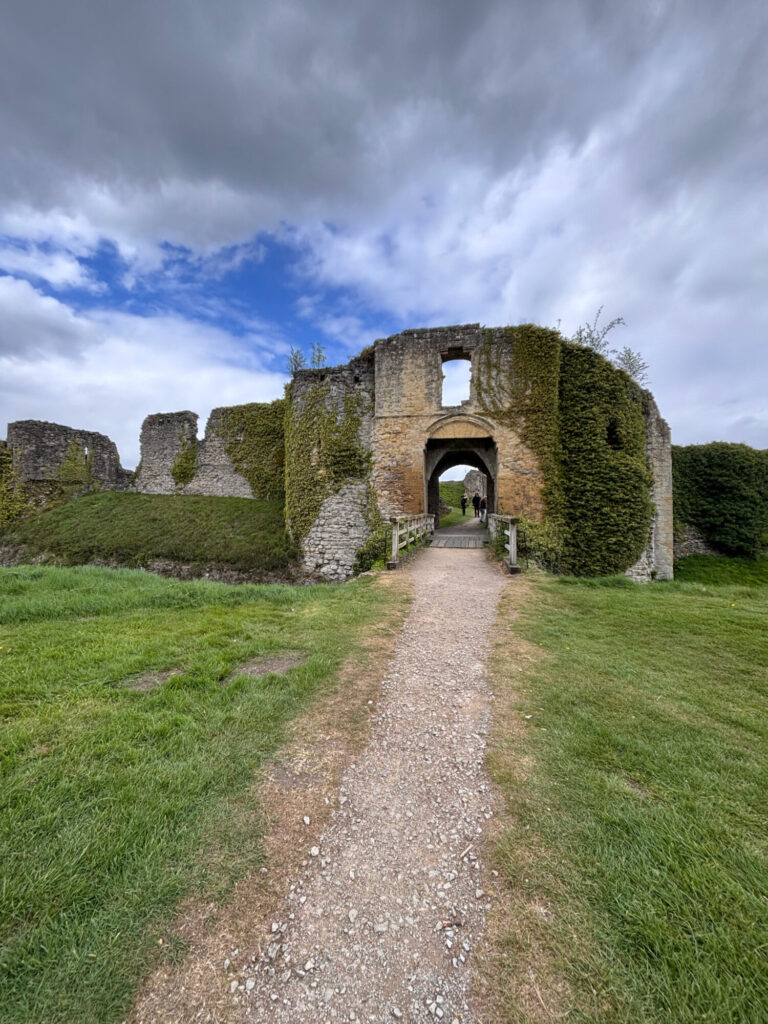
Built around 1120 by Walter Espec, founder of nearby Rievaulx Abbey, the original castle featured a ringwork design, comprising concentric earthwork ditches topped with timber palisades. It lacked a motte and central keep, which was unusual for Norman castles. Following the death of Espec in 1154, the de Roos (or de Ros) family inherited the castle and remained there until the late 15th century. The stone castle seen today largely dates from the late 12th and early 13th centuries, when Robert de Roos rebuilt it, adding a curtain wall, rounded towers, and the striking D-shaped East Tower.
Over time, successive generations expanded and fortified, including barbicans, a new chapel, and a grand hall with domestic buildings. In 1478, it passed to Richard, Duke of Gloucester (later King Richard III), but reverted to the de Roos after his death in 1485.
In the 16th century, the fortress was then radically transformed into a comfortable stately home by the Manners family. They renovated the West Range into a luxury residence with mullioned windows, ornate plasterwork (much of which remains), and carved stone fireplaces (still on display).
Helmsley saw its only military action during the English Civil War. Whilst garrisoning troops for the king, in 1644 Parliamentarians launched a three-month siege on the castle, led by Sir Thomas Fairfax. After its surrender, Fairfax ordered the destruction of key defences, including half of the East Tower; its collapsed remains still rest in the ditch.
Later that century, the decaying citadel was sold for £90,000 to affluent banker Charles Duncombe, who would occasionally stay in the ruins before he constructed a mansion house, Duncombe Park, nearby. Rather than restore the ageing structure, the ruins were left intact to serve as a picturesque focal point for his estate. Now managed by English Heritage, the castle is still legally owned by the Feversham family of Duncombe Park. The East Tower, dry moat, and South Barbican remain notable features, as does the Tudor West Range.
Address: Helmsley Castle, Castlegate, Helmsley YO62 5AB, United Kingdom
Books by Dr Emma Wells
Emma Wells
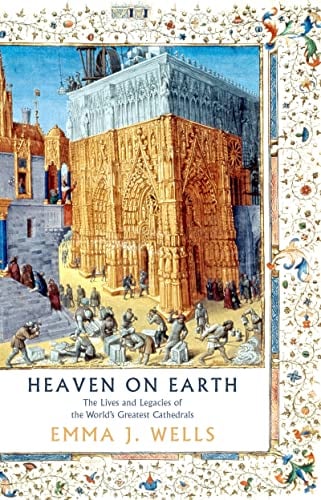
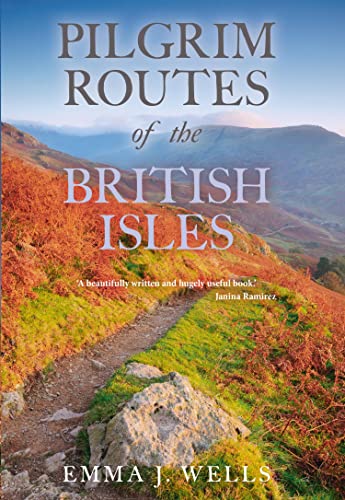
Dr Emma Wells has appeared as a historian on Yesterday, Curiosity Stream, Viral History, From the Dales to the Sea – A Great British Story, and as a ‘Don’ on BBC Radio 4’s The 3rd Degree and much more. Her first book, Pilgrim Routes of the British Isles, was released in 2016, and her most recent book Heaven On Earth: The Lives & Legacies of the World’s Greatest Cathedrals, was published in 2022.
View all articles →


