Welcome to Yorkshire
Published on November 8th, 2024
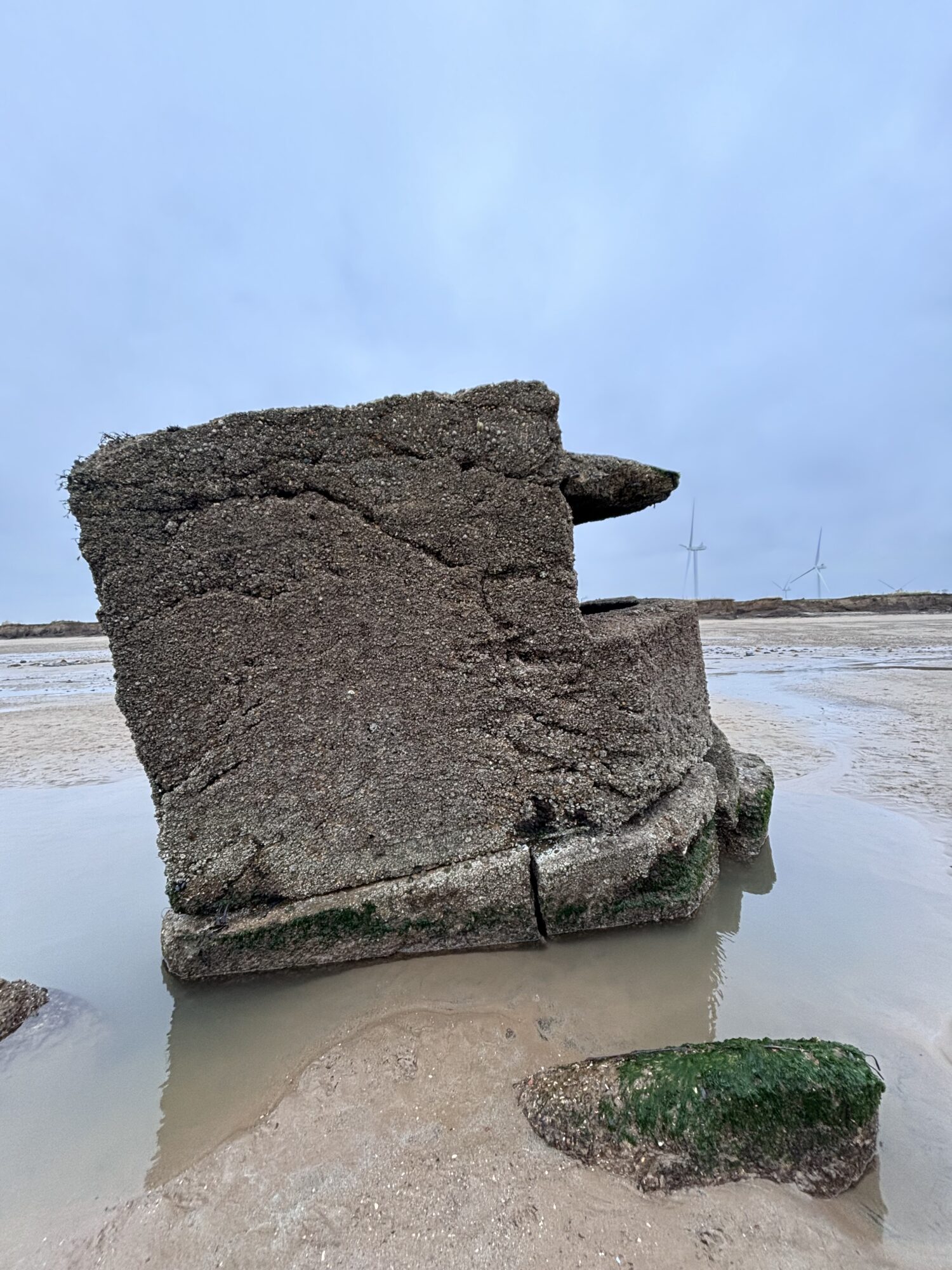
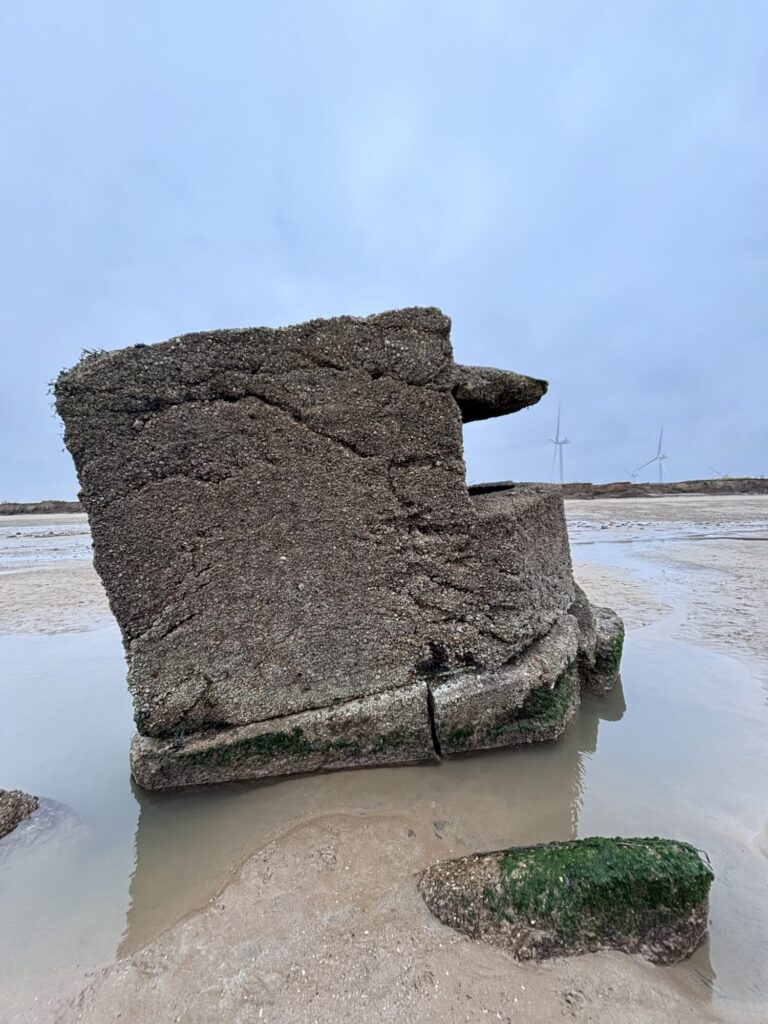
•During the two World Wars, England saw the construction of numerous military pillboxes as part of anti-invasion defences—and this one, at Fraisthorpe Beach, approximately four miles south of Bridlington on the east coast, is a prime example. These fortified structures, made primarily of concrete, were positioned along the vulnerable east coast to serve as defensive outposts for the British military in case of an enemy invasion.
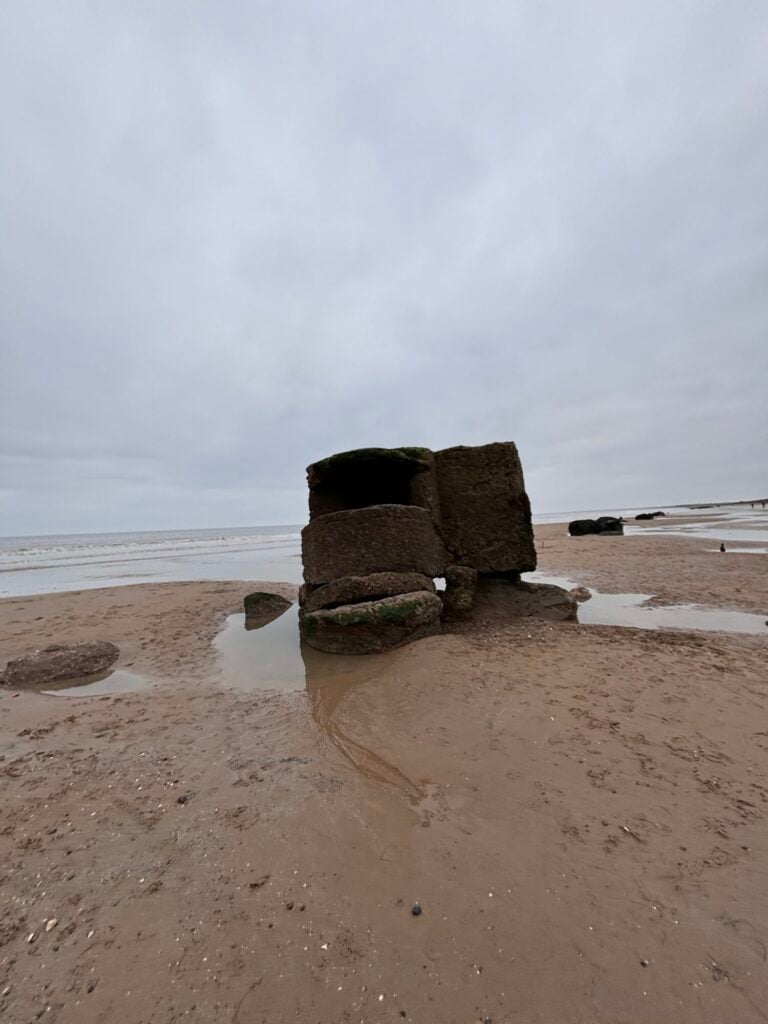
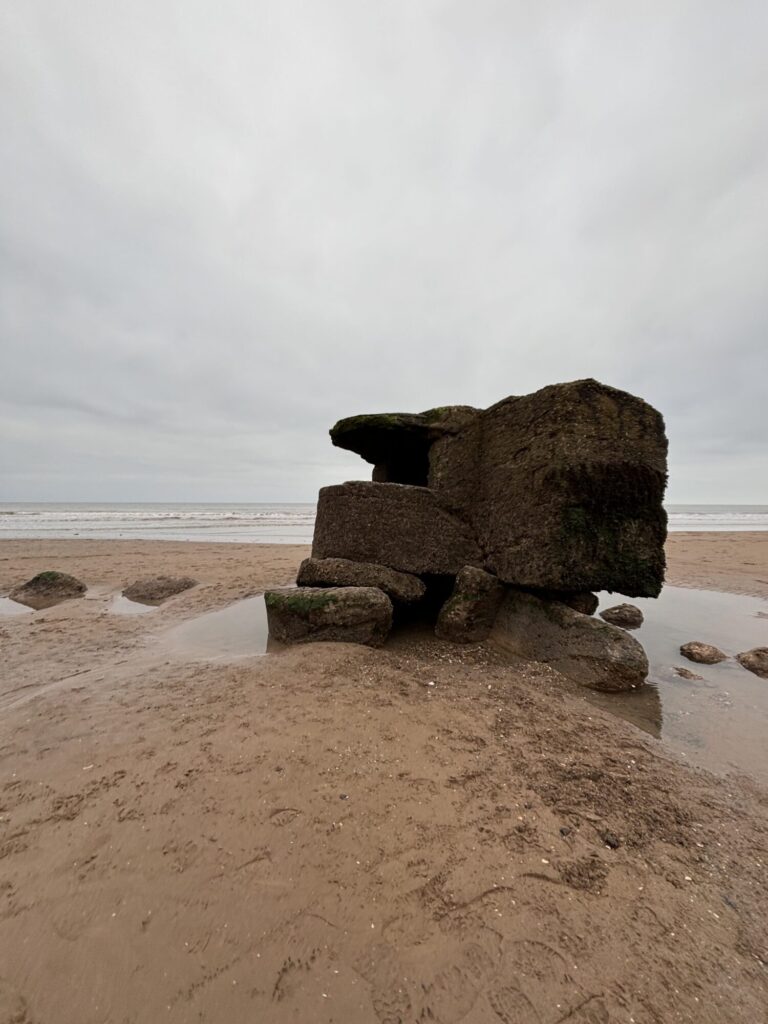
Such pillbox structures are in fact small, fortified shelters with thick walls and loopholes—small slits or holes designed for soldiers to fire weapons through while staying protected. Originally developed by the German army on the Western Front in World War I, pillboxes became a vital defensive feature here during the Second World War. With the German invasion of the Low Countries and the subsequent Dunkirk evacuation in 1940, England's coastlines were perceived as particularly susceptible to attack, leading military leaders to fortify beaches and other vulnerable sites with these and other anti-tank defences.
The term “pillbox” is thought to have originated from the resemblance of these structures to early 20th-century pill containers, which were similarly round, square, or hexagonal in shape. Each pillbox was carefully camouflaged to blend into the natural landscape, helping to conceal it from enemy forces. By 1940, around 28,000 pillboxes lined England’s shores and strategic locations, including airfields, where they were prepared to defend against potential paratrooper landings.
Fraisthorpe Beach itself was considered highly vulnerable to invasions from across the North Sea. As a result, it was fortified with pillboxes and anti-tank blocks in a continuous line for several miles along the shoreline from Bridlington to Barmston. The blocks, still visible at low tide, were placed along the base of the dunes, while the pillboxes and command bunkers were positioned further back atop the coastline. Today, the remnants of these wartime defences trace the historic line of the beach as it stood in 1941. However, coastal erosion has since reshaped the shoreline, causing many to have fallen from their original location and are now sited closer to the water’s edge and susceptible to the ravages of the sea.
Address: Barmston, Driffield YO25 8PW, United Kingdom
Books by Dr Emma Wells



Emma Wells
Dr Emma Wells has appeared as a historian on Yesterday, Curiosity Stream, Viral History, From the Dales to the Sea – A Great British Story, and as a ‘Don’ on BBC Radio 4’s The 3rd Degree and much more. Her first book, Pilgrim Routes of the British Isles, was released in 2016, and her most recent book Heaven On Earth: The Lives & Legacies of the World’s Greatest Cathedrals, was published in 2022.
View all articles →