Yorkshire Team
Published on April 2nd, 2026
•Ever notice how a good chuckle can make even a gloomy day feel a bit brighter? It turns out that for older adults, having a laugh is much more than just a bit of fun. New research, published on 1 April 2026, from a North Yorkshire researcher reveals that humour is a proper superpower when it comes to navigating the tricky bits of ageing. It’s not just about telling a few dad jokes; it’s a vital tool for staying connected, coping with challenges, and looking after mental wellbeing.
More than just a laugh
Let's be honest, getting older isn't always a walk in the park. But according to this new research, a good sense of humour acts as a brilliant coping mechanism. The study, spearheaded by a North Yorkshire researcher as part of a team at Aberystwyth University, looked at how older adults use comedy in their day-to-day lives. They conducted a qualitative study, which basically means they had in-depth chats with older people across Wales, Scotland, and England to get the real story.
What they found was pretty amazing. Humour is used to handle some of life's heaviest stuff. Think about dealing with bereavement or the declining health of a loved one. In these moments, a bit of shared laughter can be a way to maintain dignity and find a glimmer of light. It's also a way for people to tackle their own health concerns. Making a light-hearted comment about a creaky knee or a forgotten name can take the sting out of the more worrying side of ageing. This research shows that for many older people, comedy is a key part of their strategy for maintaining good wellbeing and a positive outlook.
A social lifeline and a protective shield
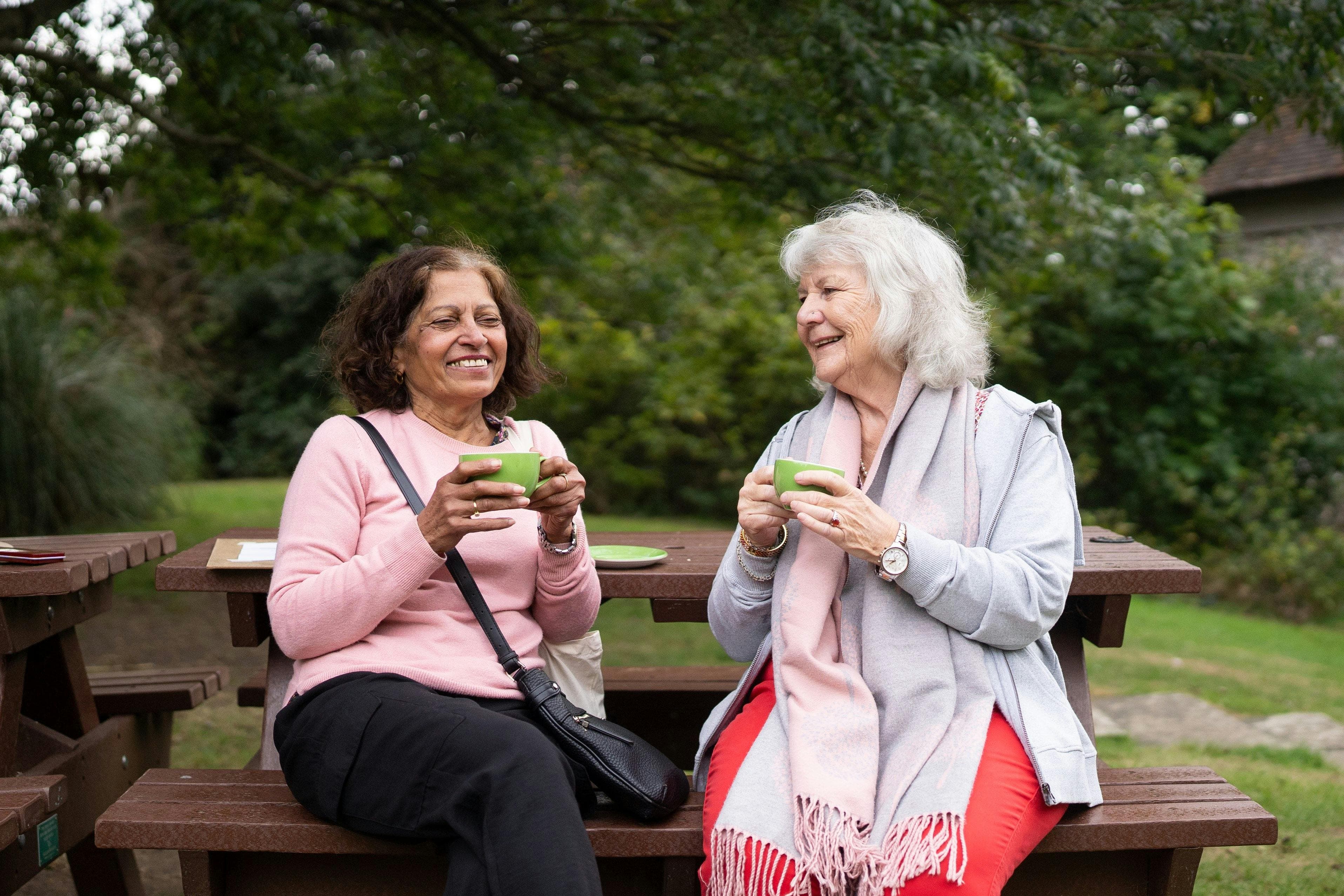
Feeling connected to others is massively important at any age, but it can become even more so later in life. This is where humour really steps up to the plate, acting as a kind of social glue. The research highlights that shared laughter is fantastic for strengthening relationships. It's the inside jokes with old friends, the banter over a cup of tea, or the silly story that gets the whole family giggling. This sort of social interaction is a powerful motivator for older adults to stay engaged with their communities.
But humour has another, more private role. For some, it's a protective mask. Lead author Heather Heap, from the Department of Psychology at Aberystwyth University, puts it perfectly:
“Listening to participants talk about humour in their everyday lives made it clear just how deeply woven it is into the experience of ageing. Many expressed the sentiment ‘if I didn’t laugh, I would cry,’ and that really captures the emotional weight humour carries for older adults. What we saw in the interviews was that humour isn’t just light relief — it’s a coping mechanism, a social glue and, for some, even a protective mask on what they described as their ‘dark days.’ At the same time, participants were very clear that humour can be intimate and uplifting, but also harmful when it targets people rather than situations. Understanding that balance is essential if we want to appreciate the real role humour plays in wellbeing later in life.”
The research discovered a link between how humour is used and a person's general wellbeing. Those who reported feeling better tended to use humour to lift others up and build connections. In contrast, those with lower wellbeing often used it defensively, as a shield or a coping mechanism to get through tough times. It really is a versatile tool, serving as both a social lifeline and a personal shield against the emotional weight of life’s challenges.
Is it a man thing or a woman thing?
Interestingly, the study found some subtle differences in how men and women use humour. It seems women are more likely to use it to navigate emotionally tricky situations or to gently deflect difficult feelings. Think of a classic nan, using a funny turn of phrase to calm a family squabble. Men, on the other hand, tended to talk about comedy more in terms of social bonding and banter with their mates.
The research also noted that women seemed more tuned in to the potential downside of joke-telling. They were more aware that a joke can sometimes miss the mark or cause hurt, showing a sensitivity to the fine line between funny and not-so-funny. This part of the research from the team, including academics across England, Wales, and Scotland, adds another layer to understanding how humour operates in our relationships and daily social interaction.
The comedy generation gap
One of the more complex findings was the feeling among some older adults of a "comedy generation gap." Several people interviewed said they felt a bit out of step with what younger generations find funny. There's a worry that the humour they grew up with and enjoy might not be seen as acceptable anymore, which can make them hesitant to share a joke for fear of causing offence. This is a tricky area, because what one person finds hilarious, another might find hurtful.
Co-author Dr Gil Greengross explained the complex picture they found:
“While some older people told us they enjoyed dry or dark humour, many disliked jokes that targeted individuals, used profanity, or relied on aggressive comedic styles. And, while some felt that age‑related jokes and stereotypes can reinforce negative self‑image, others found such jokes relatable – particularly when shared with another older person. The findings underline the need to take humour seriously within ageing research. We need larger and more diverse studies to explore differences across groups of older adults in greater depth.”
It's clear that there isn't a one-size-fits-all rule for what makes good comedy for the older generation. The call for more diverse studies is important because understanding these preferences is key to appreciating the full role of humour. What this qualitative study shows is that laughter, comedy, and a good bit of humour are not just trivial things. They are powerful, complex tools that help older adults live fuller, more connected lives, and that's something worth taking seriously.
Read the original journal article
For the academically minded, the original research si available here: https://www.tandfonline.com/doi/full/10.1080/28324897.2026.2624184

Yorkshire Team
The Yorkshire.com editorial team is made up of local writers, content creators, and tourism specialists who are passionate about showcasing the very best of God’s Own Country. With deep roots in Yorkshire’s communities, culture, food scene, landscapes, and visitor economy, the team works closely with local businesses, venues, and organisations to bring readers the latest news, events, travel inspiration, and insider guides from across the region. From hidden gems to headline festivals, Yorkshire.com is dedicated to celebrating everything that makes Yorkshire such a special place to live, work, and visit.
View all articles →