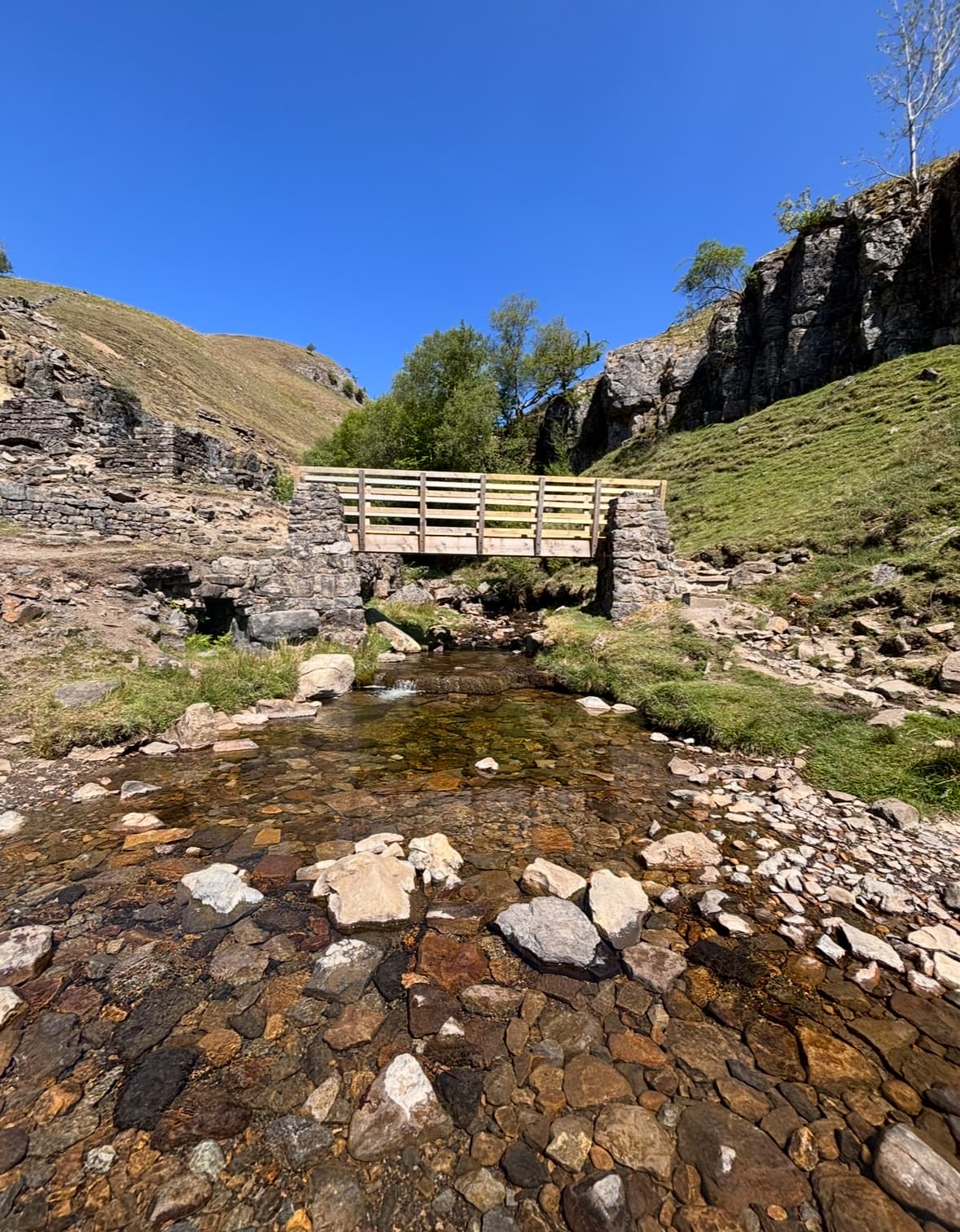
Welcome to Yorkshire
History • November 13th, 2025
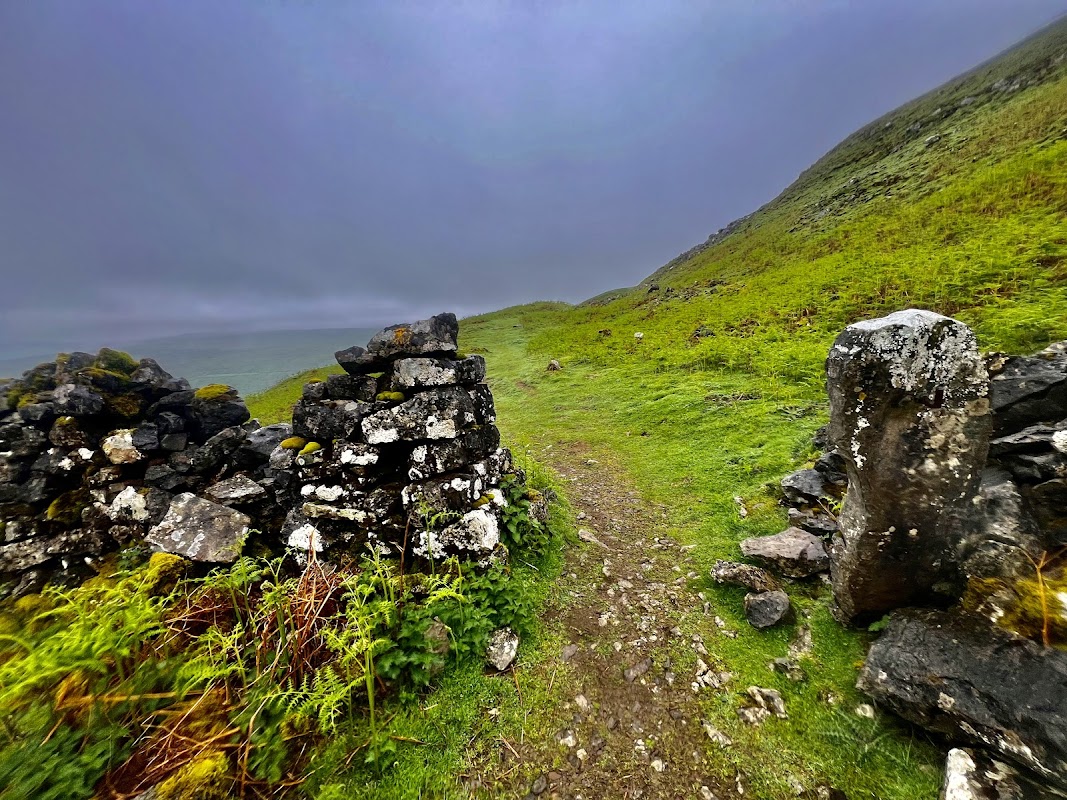
|An oft-overlooked silent witness to the Industrial Age—even to the seemingly perpetual march of walkers who pass it almost daily—Swinner Gill lead mines lie within the rugged terrain of the steep-sided valley of Swaledale, near to the far more popular remains of Crackpot Hall. These mines, however, are remnants of a once-booming industry that shaped both the environment and the lives of those who laboured it for millennia.
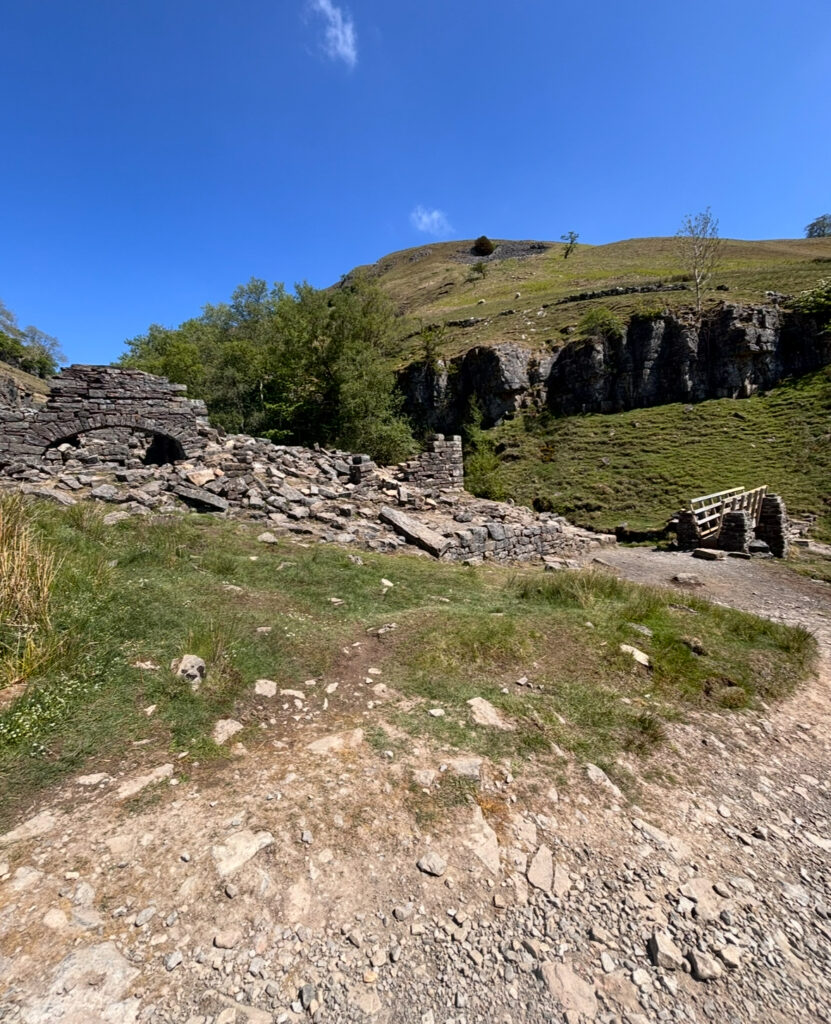
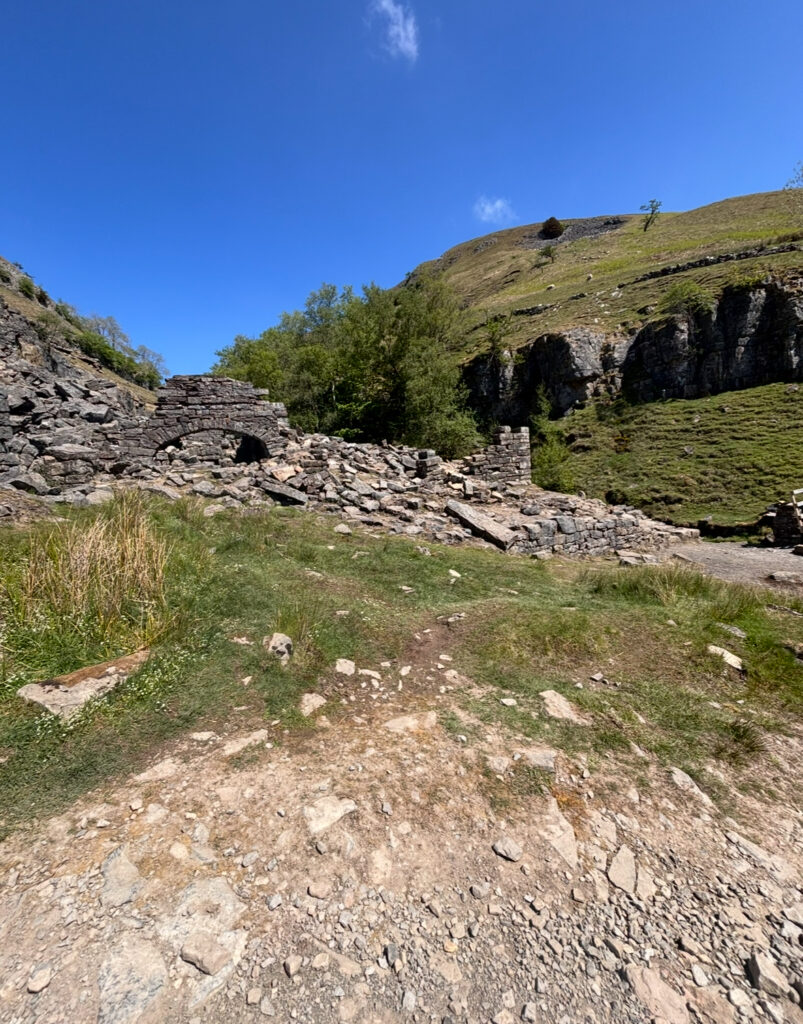
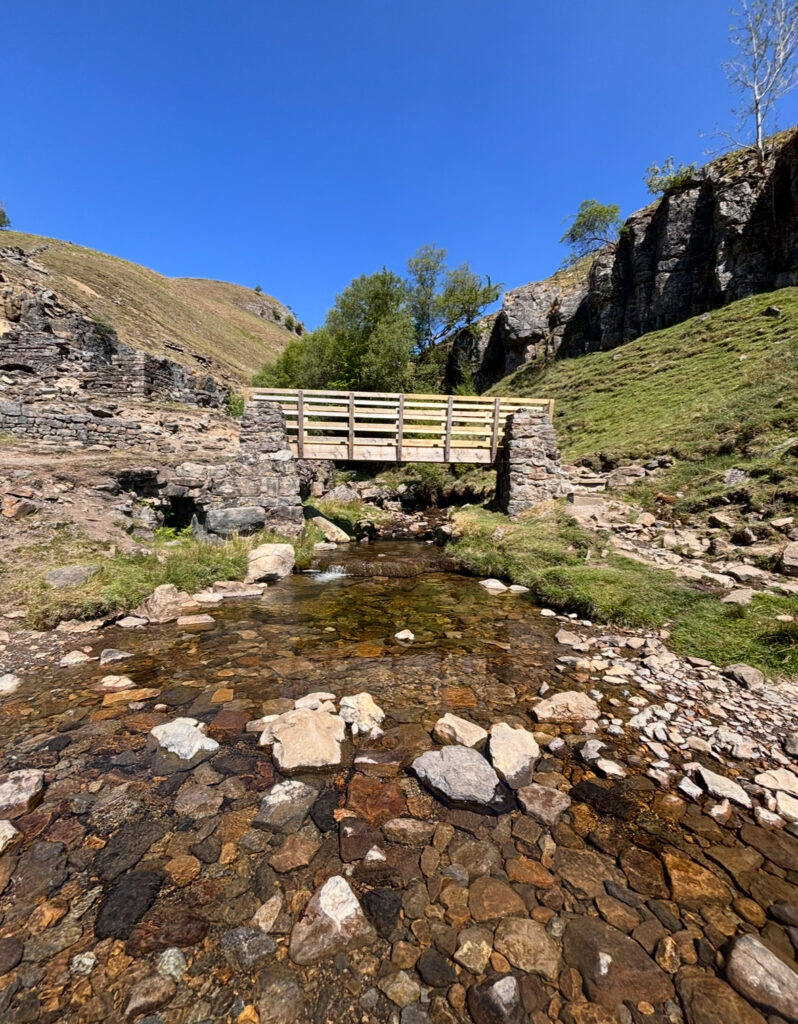
Lead mining in the area dates back to the Roman era, though it reached its peak in the 18th and 19th centuries, and this is when Swinner Gill was constructed. It was one of many gills—or narrow valleys—mined extensively for galena, the primary ore of lead. The ore was extracted by hand using picks and shovels, and miners followed narrow veins deep into the earth. Some tunnels were only accessible on hands and knees, and conditions were often harsh, cold, and damp. Explosives were later introduced, but even then, the danger of collapse, flooding, and toxic exposure remained constant.
Surrounding the mines and mills are the ruins of stone huts and workshops, hints of the tight-knit mining communities that once populated this desolate landscape. The lead was carried out in baskets or on packhorses to nearby smelt mills, such as the ruinous bridge which still remains, where it was heated to extract the metal. The Old Gang Smelt Mill, just down the road near the village of Reeth, processed much of this ore and remains one of the best-preserved examples of its kind in Britain.
By the late 19th century, the industry began to decline. Cheaper imports and the exhaustion of accessible veins led to mine closures and depopulation. Nature has since reclaimed much of Swinner Gill, but the landscape bears the scars of its industrial past to hikers, geologists, and industrial archaeologists.
Books by Dr Emma Wells




Comments
0 Contributions
No comments yet. Be the first to start the conversation!