Welcome to Yorkshire
News • August 21st, 2025
|People often picture the Bronte sisters writing away in their quiet parsonage, surrounded by the wild and windswept Yorkshire moors. Their stories, like Jane Eyre and Wuthering Heights, seem quintessentially English. But what if their world was much, much bigger? A new one-day conference happening in Bradford is set to pull back the curtain on a different side of the Brontes, exploring how their lives and work were connected to massive global themes like race, place, and the British empire.
This isn't just for dusty academics; it's a day of discussion and debate for anyone who loves their books. The event, 'Re-mapping the Brontes', takes place on Saturday 6 September at the Fountains Church in Bradford, promising a fresh look at these legendary authors.
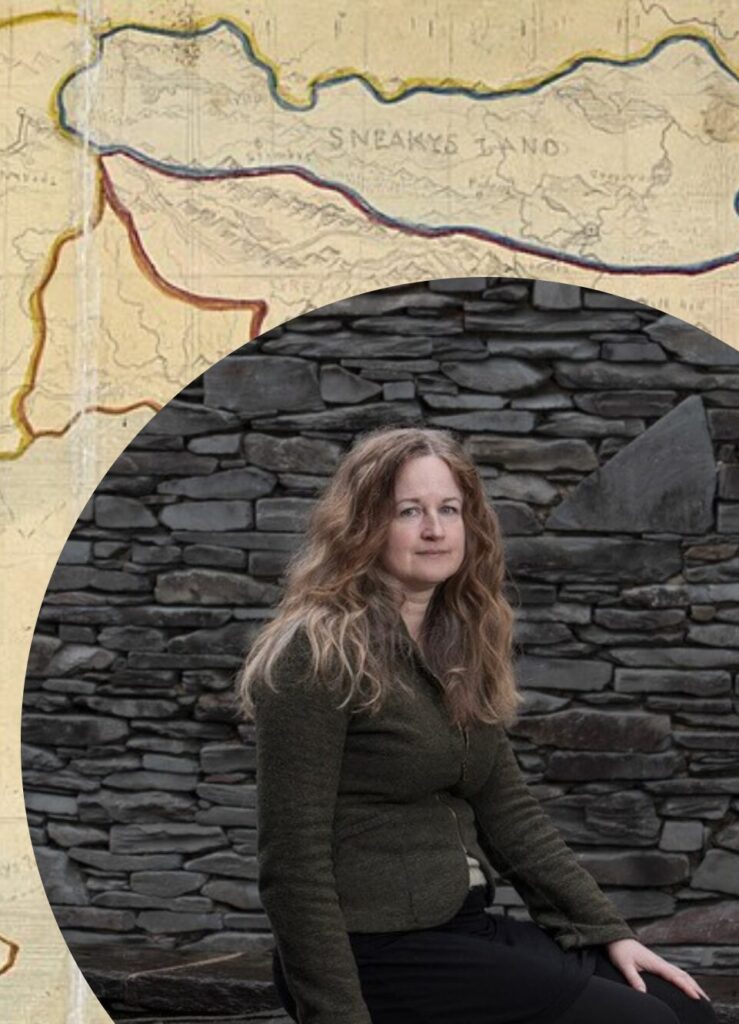
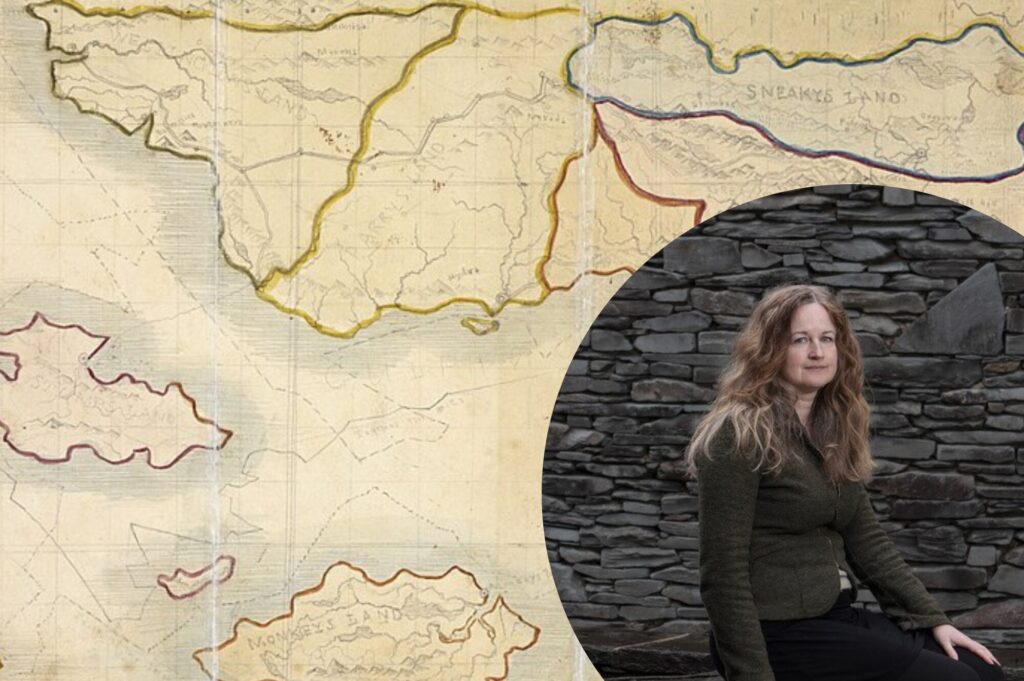
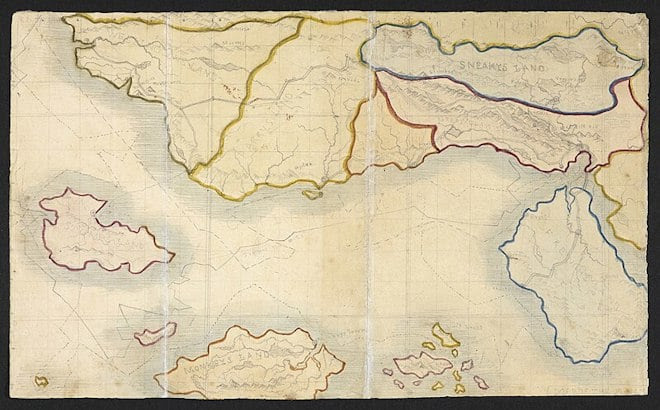
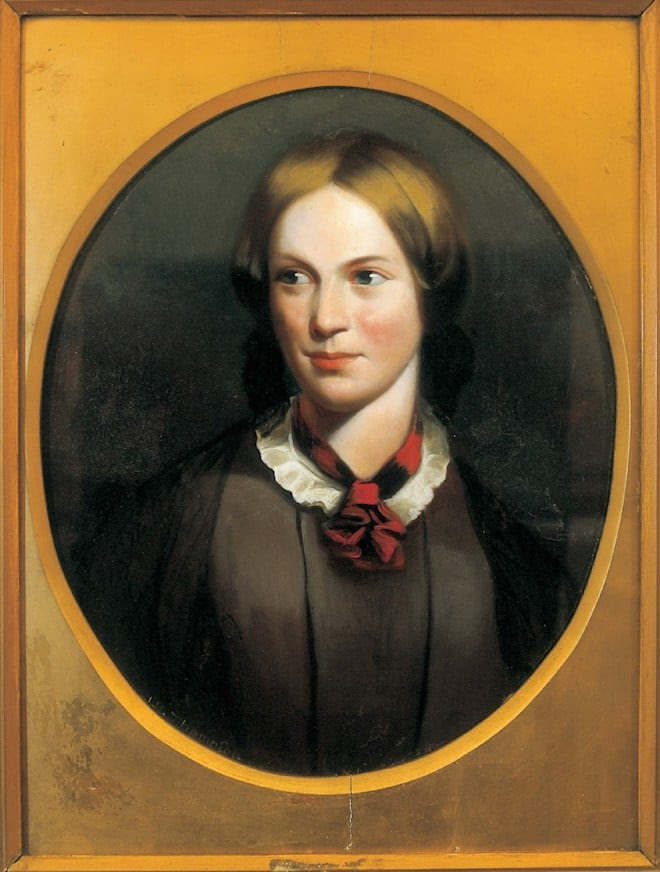
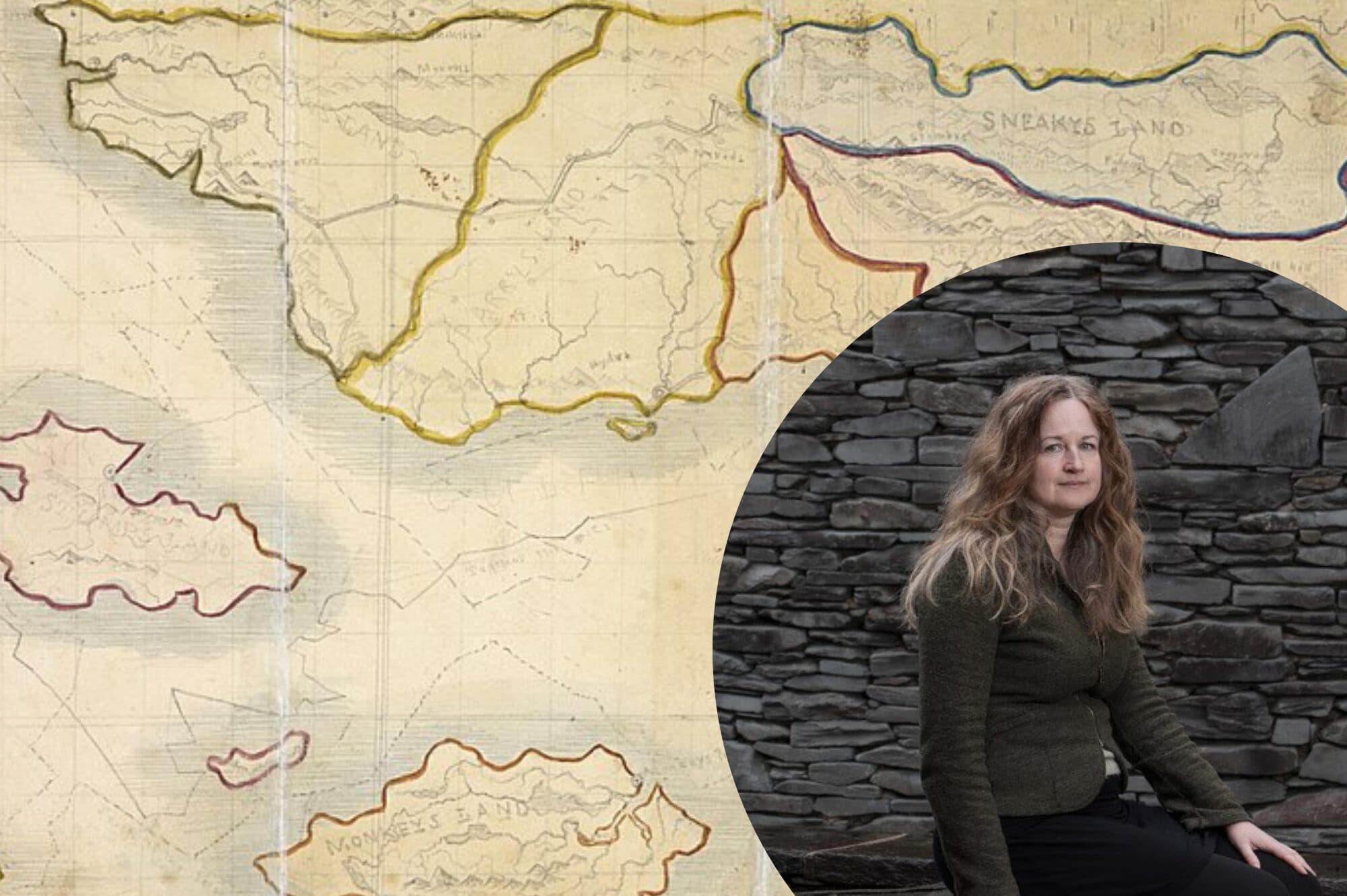
The colonial Brontes with professor Corinne Fowler
Kicking things off will be a big name in the world of history and literature: Professor Corinne Fowler. As a Professor of Colonialism and Heritage at the University of Leicester, she knows a thing or two about digging into Britain's past. You might have heard of her already. Professor Fowler was a key author of the groundbreaking research into the National Trust's properties and their links to colonialism and the empire. That report made headlines and showed how money from activities like the slave trade and colonial plantations funded some of Britain's most beautiful country homes.
It was a really important piece of work on the nation's heritage.
At this conference in Bradford, Professor Corinne Fowler will be giving the keynote talk, titled 'The Colonial Bronte. This session will likely look at how the Bronte family, living in the 19th century, were inevitably connected to the ideas and realities of the British empire. In their time, Britain's influence stretched across the globe, and these global connections filtered into everything, including the books people wrote and read. It's a chance to understand the Bronte not just as Yorkshire writers, but as people living within a vast, complex empire. This discussion with the professor from the University of Leicester will explore the concept of colonialism and how it subtly shapes the stories we thought we knew so well.
Imagined landscapes far beyond Yorkshire
While the Brontës are famous for their gothic descriptions of the moors, their imaginations travelled thousands of miles away. A whole section of the conference is dedicated to these imagined landscapes, exploring the far-flung places that pop up in their novels. It's a reminder that even from their small village, their minds were mapping the world. The discussion will cover some fascinating topics:
- 'Jane Eyre and the Imagined Landscapes of Christian Mission': Dr Simon Marsden will look at how Jane Eyre's story connects to the idea of a Christian mission. In Victorian times, missionaries often travelled to parts of the empire to convert people to Christianity, and this idea of going to a distant land for a specific purpose is a powerful theme in the book.
- 'Charlotte Bronte, the First Opium War, and the Victorian Imagination of China': Tianming Bai will explore how real-world events, like the conflict between Britain and China, influenced Charlotte Bronte. It shows how the Brontes were aware of global politics and how these events shaped their views of other cultures.
These talks highlight how the Bronte' work was a product of its time, full of references to the wider world of empire and global events. Their imagined landscapes were not just fantasy; they were deeply connected to the realities of colonialism.
Exploring the Bronte' imaginary worlds
Long before they wrote their famous novels, the Bronte siblings were creating incredibly detailed fantasy worlds. This early writing is called their 'juvenilia', and it's a treasure trove of creativity. As children, they invented the worlds of Glass Town and Angria, complete with kings, queens, wars, and political intrigue. This conference will explore these early creations, looking for 'colonial echoes' - traces of the ideas about empire that they were absorbing from the world around them.
Dr Merve Bekiryaz will discuss how a modern graphic novel, Isabel Greenberg's Glass Town, re-imagines this imaginary world, and what that tells us about those colonial themes. It's a fantastic example of how the Brontes continue to inspire new art. Even more directly, Dr Isabelle Le Pape's talk, 'Farewell to Angria', will examine how the continent of Africa was imagined and constructed in their juvenilia.
This is especially interesting because it shows how children in 19th-century Britain were learning to see the world, particularly continents like Africa, which were central to the British empire. The construction of Africa in their early stories offers a window into the mindset of the time, revealing how ideas about race and colonialism were baked into their culture from a young age.
The Bronte' Irish identity
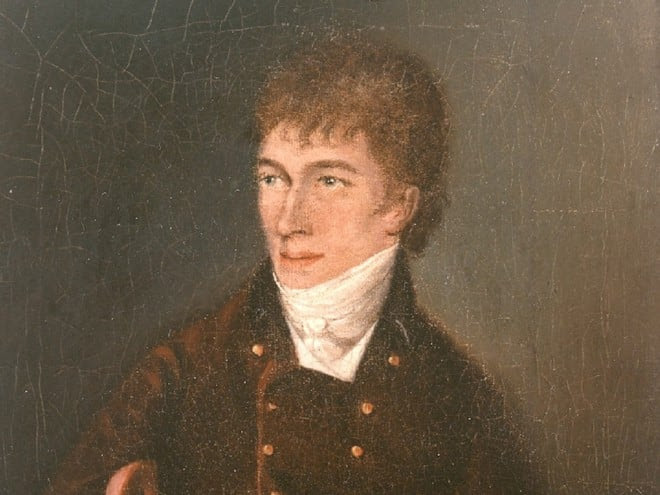
It's easy to forget that the Brontes weren't just English; they had a powerful connection to Ireland. Their father, Patrick Bronte, was an Irishman who moved to England. This part of their heritage is often overlooked, but it was a massive influence on their lives and writing. The final part of the conference puts their Irish identity front and centre.
Dr James Quinnell will explore how the Brontes' 'Irishness' shaped their work, looking for the cultural threads that connect their famous novels back to their father's homeland. It's about more than just ancestry; it's about a different cultural perspective that they brought to their English surroundings. Following this, Professor Melissa Fegan will talk about Patrick Bronte's own writing.
He was a writer and poet himself, and his work gives direct insight into the Irish heritage that he passed down to his children. This whole discussion promises a deeper understanding of the Bronte family, moving beyond the parsonage in Haworth to connect their story to the rich cultural heritage of Ireland. It's a perfect end to a day of debate that promises to remap our understanding of the Brontes, showing them as writers connected not just to one place, but to a world of empire, colonialism, and rich cultural identity.
Details
- Date: Saturday 6 September
- Time: 9:00am - 5:30pm
- Location: Fountains Church, 1 Glydegate Bradford, BD5 0BQ

Yorkshire Team
The Yorkshire.com editorial team is made up of local writers, content creators, and tourism specialists who are passionate about showcasing the very best of God’s Own Country. With deep roots in Yorkshire’s communities, culture, food scene, landscapes, and visitor economy, the team works closely with local businesses, venues, and organisations to bring readers the latest news, events, travel inspiration, and insider guides from across the region. From hidden gems to headline festivals, Yorkshire.com is dedicated to celebrating everything that makes Yorkshire such a special place to live, work, and visit.
View all articles →
Comments
0 Contributions
No comments yet. Be the first to start the conversation!