
Welcome to Yorkshire
History • August 11th, 2025
|Easby Abbey, once dedicated to St Agatha, forms a striking pastoral scene beside the River Swale just outside Richmond in North Yorkshire. It was founded in c.1152–1155 by Roald, constable of Richmond Castle, as a house for Premonstratensian canons (the ‘White Canons’), an order that combined communal religious life with pastoral work and preaching rather than purely contemplative asceticism. It was likely preceded by a minster church, housed by a community of priests who served the surrounding parishes.
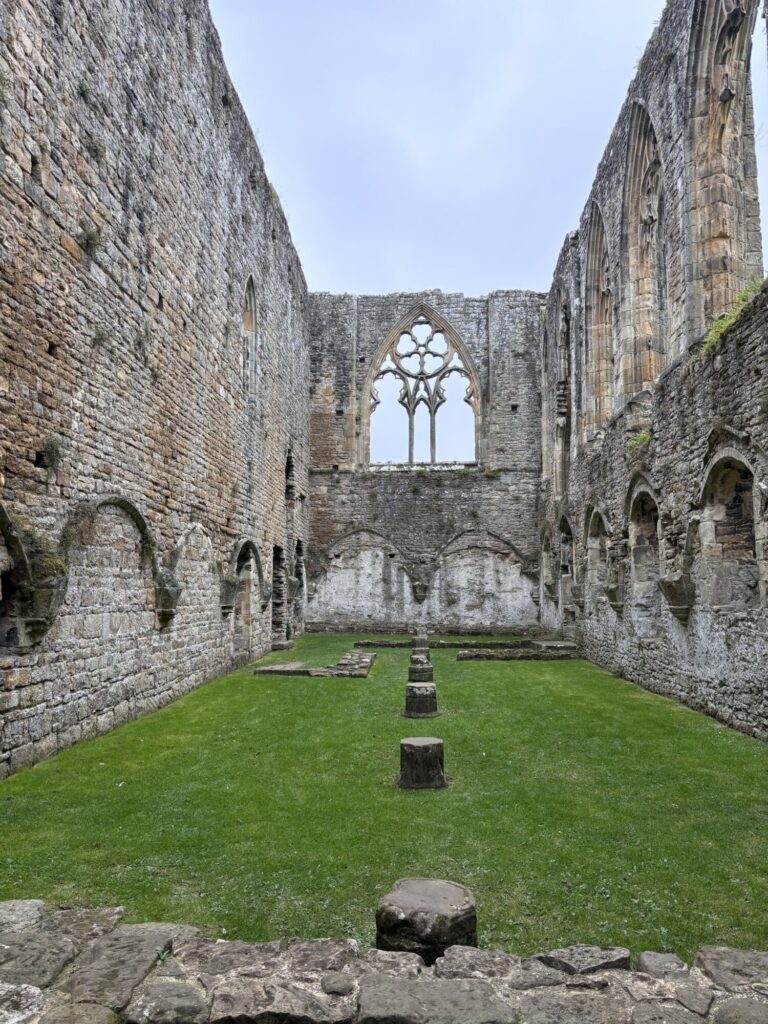
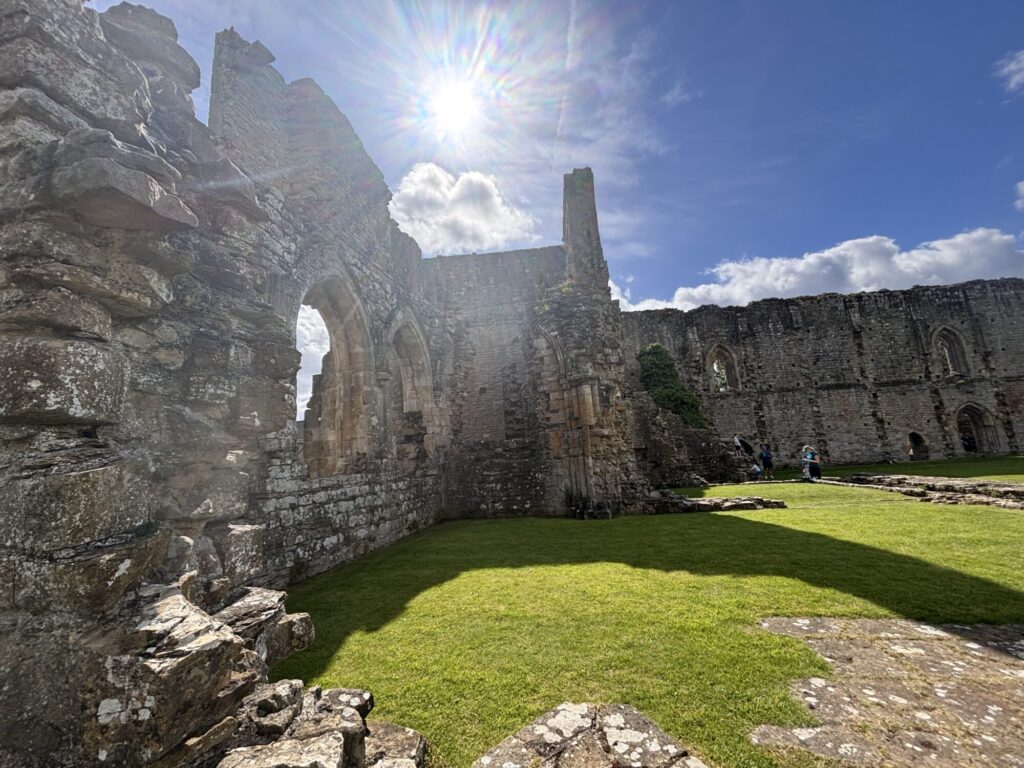
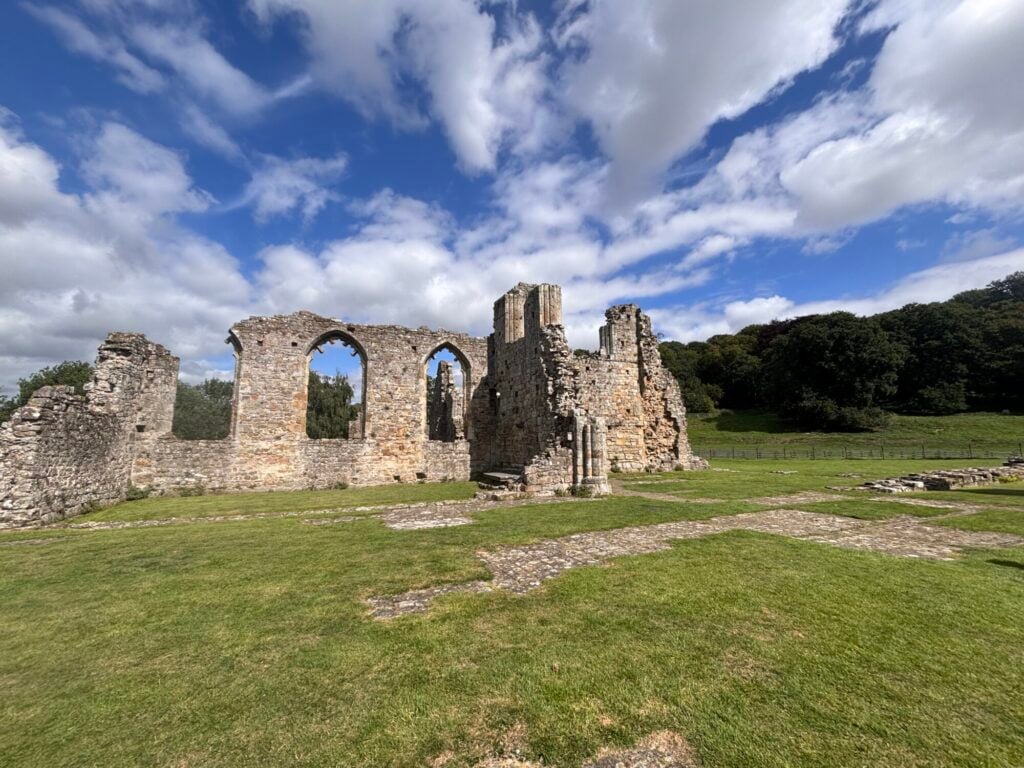
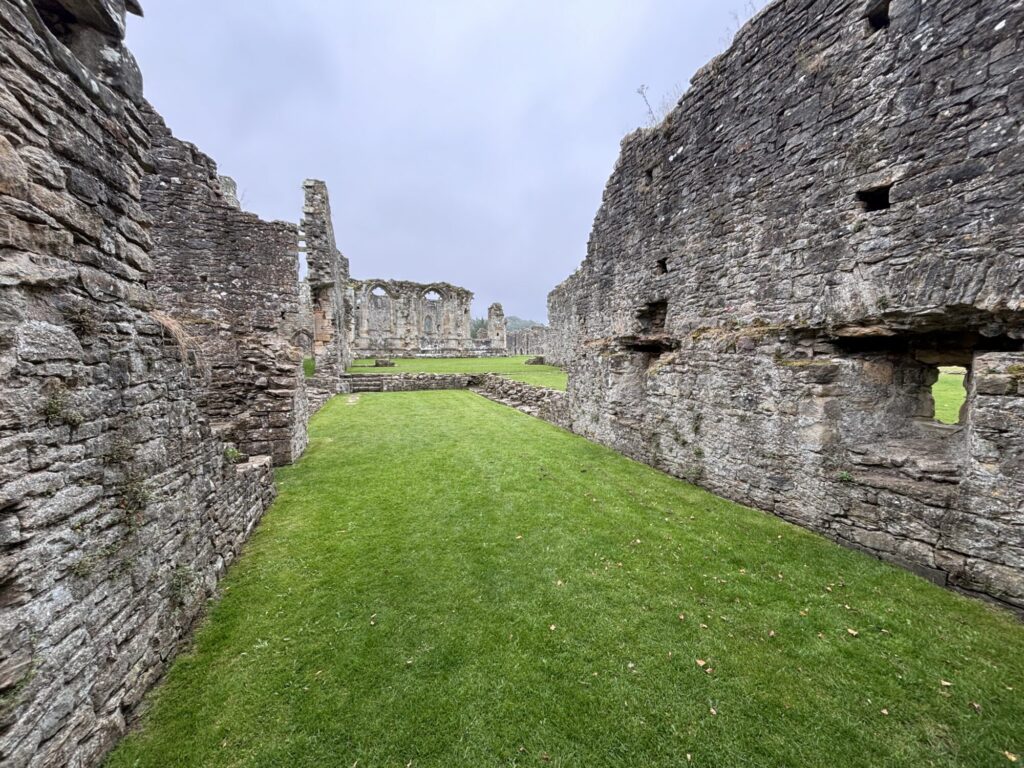
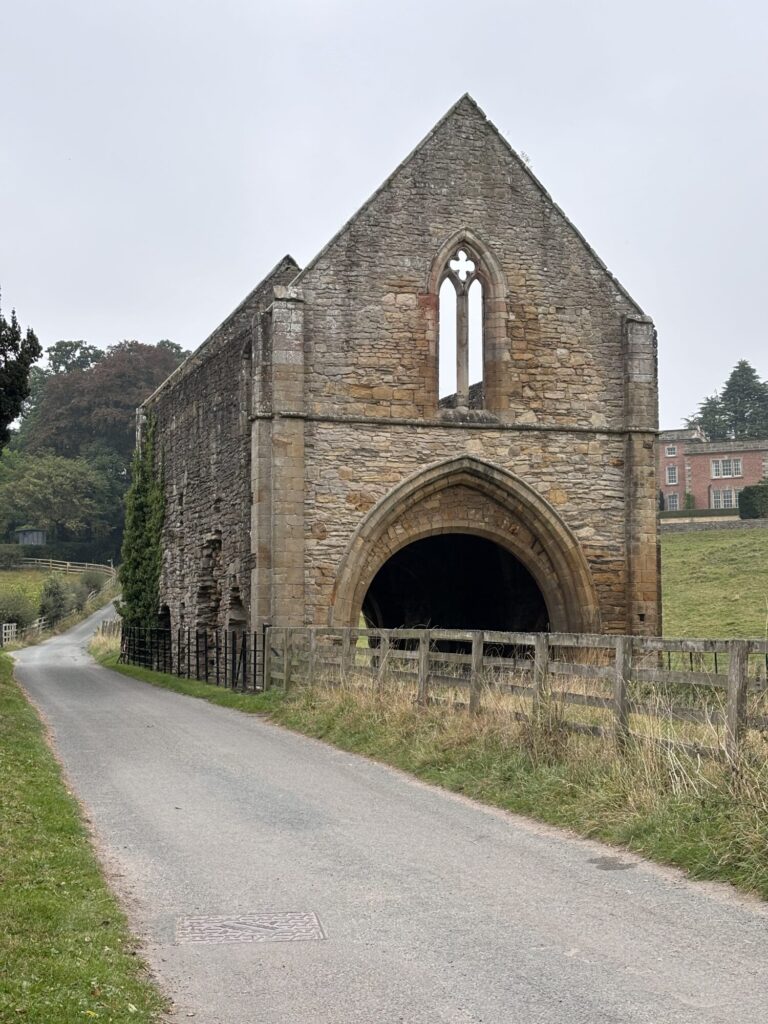
During the Middle Ages, Easby prospered as a relatively wealthy institution. Patronage by local lords—notably the Scrope family from the later 14th century—brought endowments that expanded the community and funded building work. Architecturally, Easby thus offers an unusually complete glimpse of a Premonstratensian house. The surviving abbey church dates largely from the late 12th century; the cloister ranges, and substantial sections of the east and south ranges survive as masonry ruins. The gatehouse, barn and mill buildings mark the outer limits of the precinct and testify to the abbey’s economic functions, whilst nearby earthworks reveal cultivation terraces and water-management features that serviced the monastic community.
The abbey’s suppression came in the wave of Henry VIII’s Dissolution of the Monasteries: Easby was closed in 1536 when only eleven canons remained, and within a few years, much of the complex had been stripped of lead and dressed stone thereby falling into ruin. The parish church of St Agatha survived in ecclesiastical use and still does to this day.
Though the Scropes bought back the site in the late 1500s, from then until the 18th century, little evidence survives regarding its fate. The ruins later became a romantic subject for artists and antiquaries (J. M. W. Turner among them). Today, Easby is one of the best-preserved Premonstratensian sites in Britain and is free for the public to visit.
Address: Richmond DL10 7EU, United Kingdom
Books by Dr Emma Wells
Emma Wells
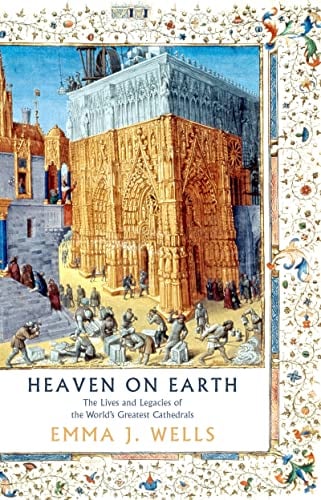
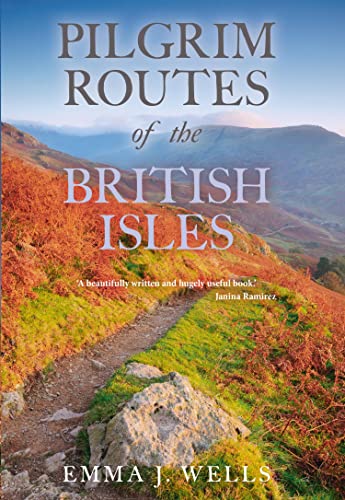
Dr Emma Wells has appeared as a historian on Yesterday, Curiosity Stream, Viral History, From the Dales to the Sea – A Great British Story, and as a ‘Don’ on BBC Radio 4’s The 3rd Degree and much more. Her first book, Pilgrim Routes of the British Isles, was released in 2016, and her most recent book Heaven On Earth: The Lives & Legacies of the World’s Greatest Cathedrals, was published in 2022.
View all articles →


