
Welcome to Yorkshire
Inspiration • October 30th, 2025
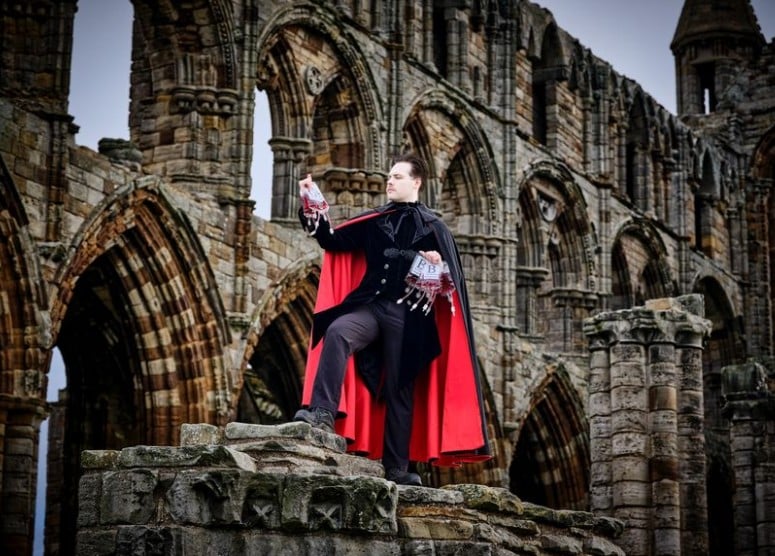
|This Halloween, it turns out it’s not just vampires who are after your blood. In a brilliant, slightly spooky team-up, NHS Blood and Transplant is joining forces with English Heritage to ask for a different kind of donation. And they’ve even got the most famous vampire of all, Dracula, on their side. Visitors to some of England’s most historic sites will get a unique opportunity this autumn: the chance to find out their very own blood type. It’s all part of a major push to find more donors, especially as the colder winter months approach, a time when blood stocks can often take a dip. This initiative has a serious mission, aiming to get more people to save a life by becoming blood donors.
A spooky twist for a serious cause
Let's be honest, finding out your blood type might not sound as exciting as exploring a haunted castle. But this Halloween, it could be the most important discovery you make. On 31 October, selected English Heritage sites across the country will be handing out free self-testing kits. Why? Because the NHS needs around 5,000 blood donations every single day to help people in hospitals. That’s a massive number, and it means there's a constant need for new donors to step forward.
Right now, the call is particularly urgent for people with O negative and B negative blood types. These types are like gold dust for hospitals. The campaign also hopes to encourage more donors of Black heritage to come forward. Their blood is absolutely vital for treating patients with sickle cell disease, who need regular transfusions with blood that’s a close ethnic match to their own. This partnership turns a fun day out into a chance to make a real difference to someone's life.
Mark Williamson, an English Heritage Regional Partnership Manager and their resident Dracula expert, put it perfectly:
“Our Halloween events always bring history to life in thrilling ways – and this year, we’re proud to add a life-saving twist. Whitby Abbey, forever linked with Dracula, makes the perfect backdrop for our partnership with NHS Blood and Transplant. It’s not just Dracula who needs your blood this Halloween – it could be your Mum, son, best-friend, or any of us. We hope that at the same time as enjoying deliciously chilling Halloween fun, visitors across all our participating sites will be inspired to find out their blood type and consider becoming a donor so that the NHS can continue to supply lifesaving blood needed by seriously ill patients.”
From gothic tales to modern medicine
So, why Dracula? The link is actually pretty cool. Whitby Abbey, with its dramatic Gothic ruins on the Yorkshire coast, was the very place that inspired author Bram Stoker to create his legendary vampire. But the connection goes deeper. Stoker's novel, written in the 1890s, includes one of the first-ever fictional accounts of a blood transfusion. Back then, the procedure was super experimental, so including it in the story was incredibly forward-thinking. It’s amazing to think that a story about a creature needing blood is now helping to encourage real-life blood donation.
These special Halloween events aren't just happening at Whitby Abbey, though. Visitors can get involved at various sites all across the country. A few of the places offering the testing kits include:
- Dover Castle
- Eltham Palace
- Pendennis Castle
- Audley End House and Gardens
- Kenilworth Castle and Elizabethan Gardens
Whether exploring a spooky castle or wandering through ancient gardens, people can take a small step that could save a life. The whole idea is to make learning about blood donation easy and accessible. Finding out their blood type could be the first step on a journey to becoming regular donors for many visitors.
How the blood type testing works
Getting one of these kits is simple, and so is using it. Visitors at participating English Heritage sites will be given a small kit to take home. The process is straightforward and only takes about five minutes. It involves a tiny pinprick on a finger to get a single drop of blood, which is then placed on a special card. Think of it like a litmus test from a science lesson at school; the card will react and show a person's likely blood type.
It’s important to know that this is just a screening test. A person’s official blood type is only confirmed after their first donation, when the NHS Blood and Transplant team does a full lab-based analysis. Still, these kits are a brilliant starting point. For the more than 50% of people in the UK who don't know their blood type, it’s a quick and easy way to find out. This simple testing could encourage more donors to come forward.
Altaf Kazi from NHS Blood and Transplant explained the urgent need:
“This Halloween, Dracula is not the only one on the hunt for blood. Across the country, we’re teaming up with English Heritage to seek out those with vital, life-saving blood types like O negative and B negative which are both urgently needed right now. A quick finger prick test could reveal your blood type and start your journey as a real lifesaver. Giving blood takes around an hour, and each donation can save up to three people. And as every vampire knows, every drop counts!”
Why knowing your type is so vital
Finding out about your blood might seem like a small thing, but it’s a huge deal. Only about 3% of adults who are able to donate actually do. That’s a tiny fraction, and the NHS is always working to find more donors to keep the supply strong. Here’s why some blood types are so special:
- O negative: This is the universal blood type. That means it can be given to almost anyone in an emergency, regardless of their own blood type. When someone is rushed into A&E and there’s no time to check their type, O negative blood is what doctors reach for. It’s literally a lifesaver, but stocks are often low because it’s so in-demand.
- B negative: This is one of the rarer blood types. Because fewer people have it, it’s always a challenge to make sure there’s enough available for patients who need it. More donors with B negative blood are always needed.
Another thing to remember is that blood can't be stored forever. It only lasts for 35 days. That means donations need to be happening all the time to replenish the supply, which is why campaigns like this one between NHS Blood and the English Heritage sites are so vital. It’s a constant effort to ensure that life-saving blood is there for anyone who needs it, at any time. And with over 60,000 appointments available at donor centres across the country in the next few weeks, it's never been easier for people to get involved and give a vital donation.
Yorkshire Team
The Yorkshire.com editorial team is made up of local writers, content creators, and tourism specialists who are passionate about showcasing the very best of God’s Own Country. With deep roots in Yorkshire’s communities, culture, food scene, landscapes, and visitor economy, the team works closely with local businesses, venues, and organisations to bring readers the latest news, events, travel inspiration, and insider guides from across the region. From hidden gems to headline festivals, Yorkshire.com is dedicated to celebrating everything that makes Yorkshire such a special place to live, work, and visit.
View all articles →


