Welcome to Yorkshire
Published on October 27th, 2025
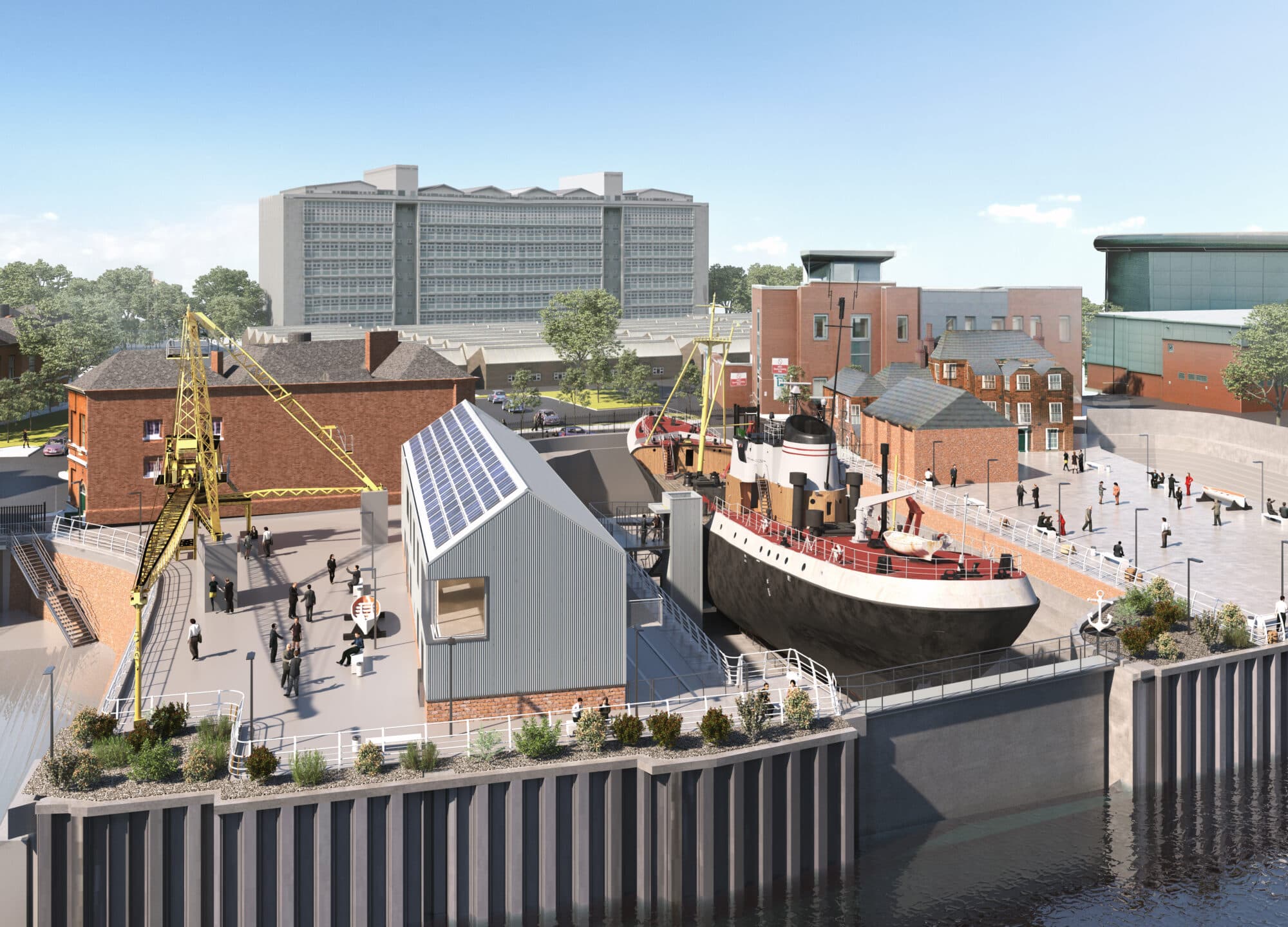
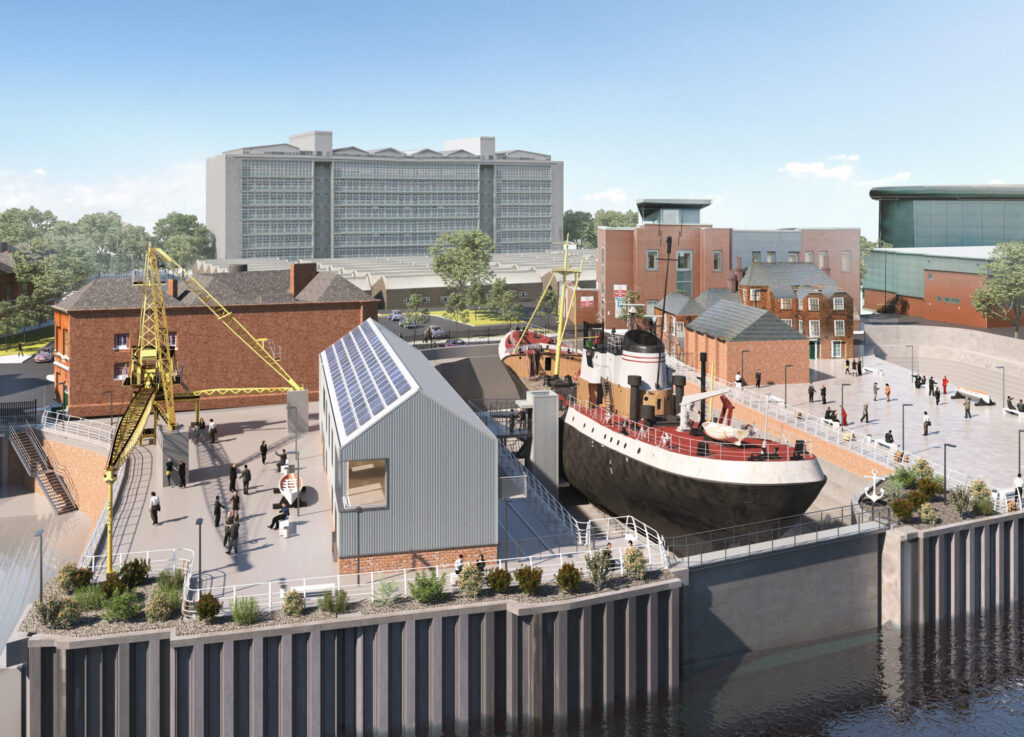
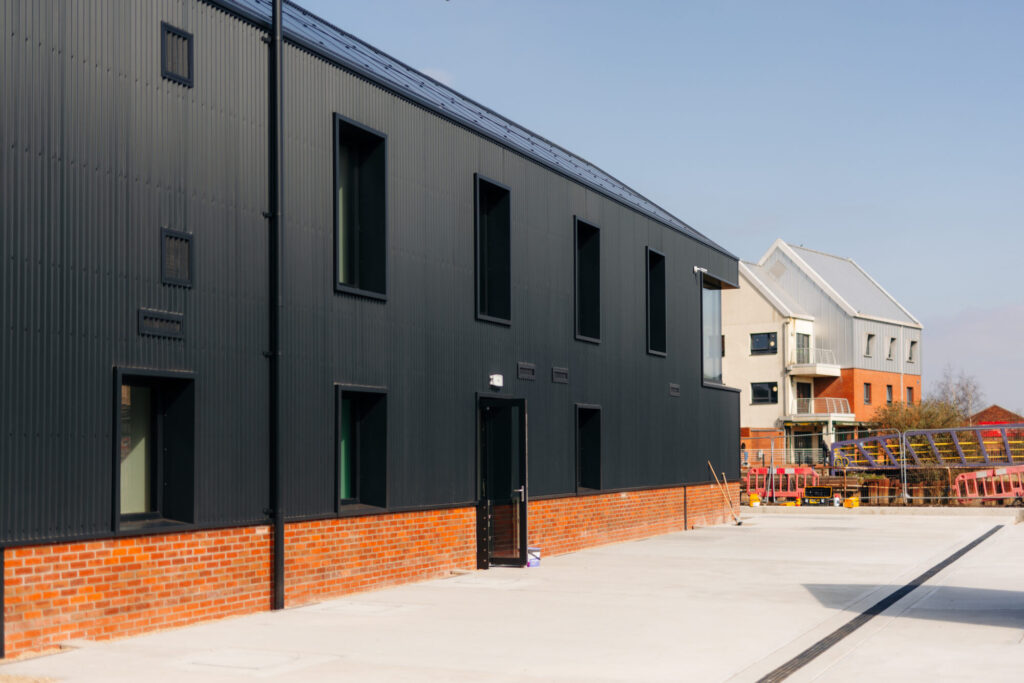
•Something pretty special has just happened in Hull, even before the doors have opened on a brand-new building. The visitor centre at the North End Shipyard, which will soon be home to the legendary Arctic Corsair trawler, has officially earned its Passivhaus certification as of 27 October 2025. This isn't just a fancy sticker for the window; it's a massive deal that makes it one of the UK’s most energy-efficient cultural buildings. This achievement is a cornerstone of the city's ongoing regeneration, blending deep respect for maritime heritage with cutting-edge sustainability. The project showcases a forward-thinking approach to preserving history while protecting the planet.
So, what on earth is a passivhaus?
It sounds complicated, but the idea behind it is actually quite simple. Imagine a building that’s so well-designed it barely needs any heating or cooling. Think of it like a giant, high-tech thermos flask. It keeps the warmth in when it's chilly outside and stays cool during a heatwave. This clever design, known as Passivhaus, drastically cuts down on energy use, which is brilliant for both the environment and running costs. To get this special certification, a building has to meet some seriously strict standards. The new visitor centre in Hull ticked all the boxes:
- Top-quality insulation: The building is wrapped in a super-thick layer of insulation, almost like it's wearing its best winter coat all year round. This stops heat from escaping or getting in.
- Airtight construction: There are no pesky draughts here. Every window, door, and join is perfectly sealed to stop air from leaking.
- Clever ventilation: A system works quietly in the background, pushing out stale air and bringing in fresh air. But here's the smart bit: it recovers heat from the outgoing air and uses it to warm up the incoming fresh air, maintaining great environmental performance without wasting energy.
- No gaps in the armour: The design is completely free of 'thermal bridges'. These are tiny gaps in the insulation where heat can escape, and this building has none.
- Official stamp of approval: It's not enough to just say it's a Passivhaus. An independent expert has to come and check everything before awarding the official certification.
This focus on energy-efficient design represents a real innovation in how cultural buildings are made.
A new home for an old legend: the Arctic Corsair
This amazing building has a very important job. It will be the permanent home for the Arctic Corsair, Hull’s last remaining sidewinder trawler. This isn't just an old boat; it's a floating piece of the city's soul, a testament to the tough lives of the fishermen and the city's powerful maritime past. The ship has a huge historical significance for the community. Instead of just sitting in the water, the restored Arctic Corsair will be berthed in a dry dock next to the new visitor centre. This means people will be able to walk right up to it and truly grasp its massive scale. It's a chance to connect with a vital piece of Hull's heritage in a completely new way, all thanks to this brilliant regeneration project at the North End Shipyard.
What the people behind it are saying
The project is a result of fantastic collaboration, and the key figures involved are understandably proud. Councillor Mike Ross, Leader of Hull City Council, highlighted the blend of past and future:
“This award is a testament to Hull’s commitment to preserving our heritage while building a greener future. The North End Shipyard Visitor Centre not only honours the city’s proud maritime past but also sets a new benchmark for sustainable cultural buildings in the UK. That it has received such recognition even before opening its doors to the public makes the achievement all the more remarkable.”
Owen Plummer, the Associate Architect at Purcell, spoke about the design philosophy:
“We are thrilled that the North End Shipyard visitor centre has received this sustainability and social impact award, and are delighted to be working with Hull City Council in our collective vision of sustainably designing places where people can belong, encompassing sustainable design for the benefit of our communities.”
Andy Newbitt, Construction Director at Ashcourt, added:
“We’re proud to be part of a project that not only contributes to the local community but also creates a landmark attraction for visitors. Building the UK’s first Passivhaus of its kind aligns with our sustainability goals and helps preserve the legacy of the Arctic Corsair and the historic shipyard for future generations.”
More than just one building
The new visitor centre is a star player in a much bigger story: the Hull Maritime project. This is a massive, citywide plan to breathe new life into Hull’s most important maritime sites, building on the incredible energy from its year as UK City of Culture. It’s a complete transformation of the city’s maritime quarter. Six historic locations and two ships are being restored and reimagined. This includes the Grade II* Hull Maritime Museum, the Spurn Lightship, and telling the story of the South Blockhouse for the very first time. The whole project is designed to reconnect the cityscape with its maritime roots and create a world-class experience. It's about celebrating the city's rich maritime heritage and creating new opportunities for learning, employment, and volunteering for the whole community.
Hull on the world stage
This local effort is making global waves. National Geographic recently named Hull one of its Top 25 global destinations to visit in 2026. The city is listed alongside places like Milan, Vancouver, and Rio de Janeiro. This incredible recognition specifically points to the city’s 800-year maritime heritage and the amazing transformation happening right now, with these new cultural attractions set to be a huge draw for visitors.
Who’s helping make it happen?
A project of this scale needs support, and a key partner is the National Lottery Heritage Fund. This organisation uses money raised by National Lottery players to protect and share the UK's heritage. Their goal is to ensure that the things people care about from the past are valued and sustained for future generations. The North End Shipyard project is a perfect example of their work, supporting a scheme that combines heritage preservation with innovation and sustainability. It's a fantastic investment in the community, the city's history, and a greener future.

Yorkshire Team
The Yorkshire.com editorial team is made up of local writers, content creators, and tourism specialists who are passionate about showcasing the very best of God’s Own Country. With deep roots in Yorkshire’s communities, culture, food scene, landscapes, and visitor economy, the team works closely with local businesses, venues, and organisations to bring readers the latest news, events, travel inspiration, and insider guides from across the region. From hidden gems to headline festivals, Yorkshire.com is dedicated to celebrating everything that makes Yorkshire such a special place to live, work, and visit.
View all articles →