
Welcome to Yorkshire
Published on June 26th, 2026
•Drypool Bridge, an important crossing over the River Hull, is currently undergoing a significant repair and strengthening programme. This initiative aims to preserve the bridge's historical significance while ensuring it remains safe and reliable for the future. Located between Alfred Gelder Street and Clarence Street, the bridge serves as a crucial transport route that connects the east and west sides of Hull.
Historic Importance of Drypool Bridge
Drypool Bridge is not just a practical structure; it holds a special place in Hull's history. Officially opened on 5 July 1961, it replaced an earlier bridge that had been in use since 13 September 1888. The original bridge was a remarkable feat of engineering for its time, weighing 400 tonnes and taking 18 months to build. After serving the city for over 70 years, it was closed on 19 May 1959 and eventually demolished to make way for the modern bridge we see today, which weighs 1,436 tonnes and took two years to construct. The current structure is a single-leaf bascule Scherzer rolling bridge. This means it can lift up to allow boats and ships to pass underneath, much like a drawbridge. The design reflects mid-20th-century engineering and has been a vital part of Hull's infrastructure since its inception.
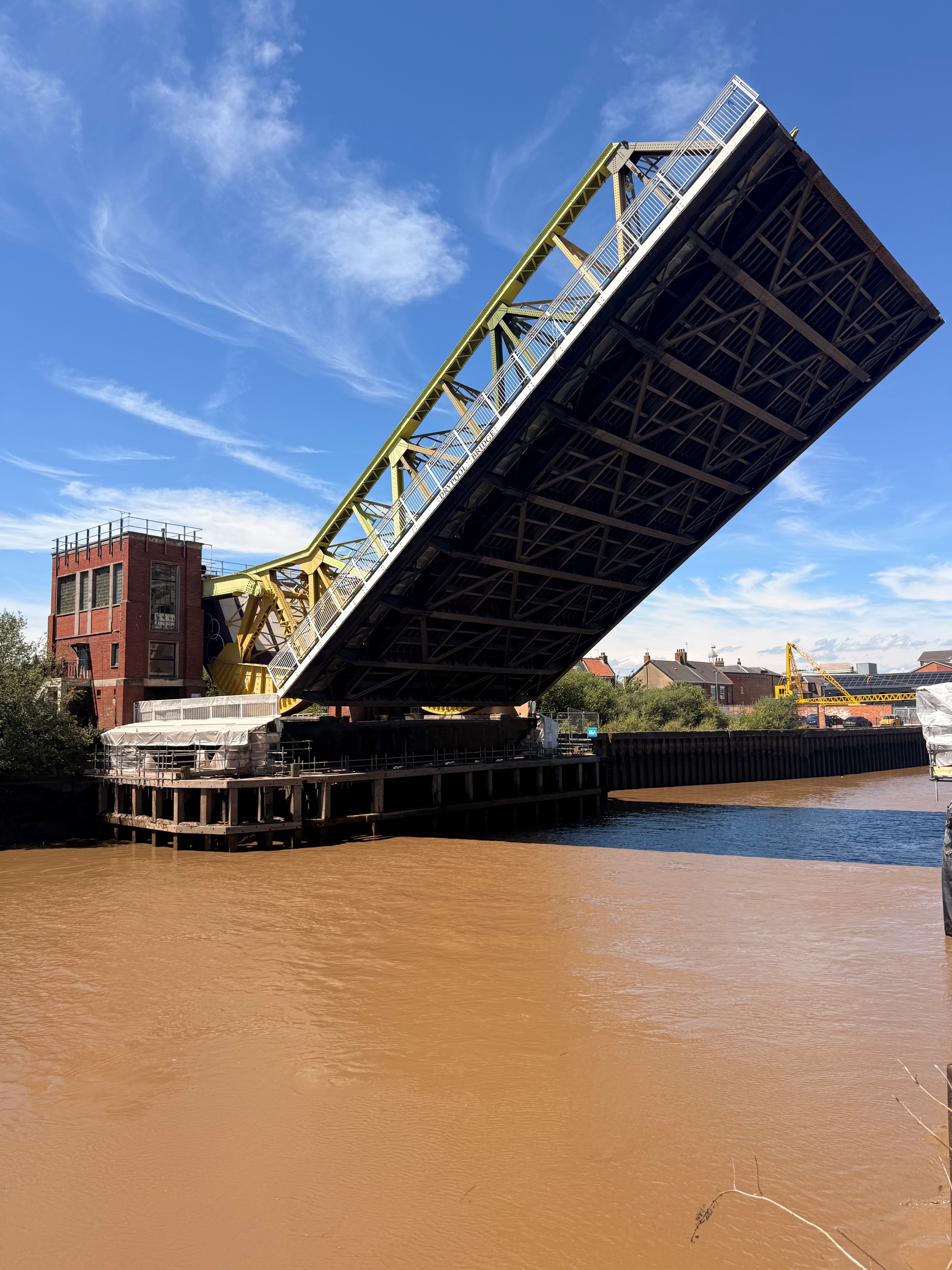 Raised Drypool Bridge over River Hull with blue sky
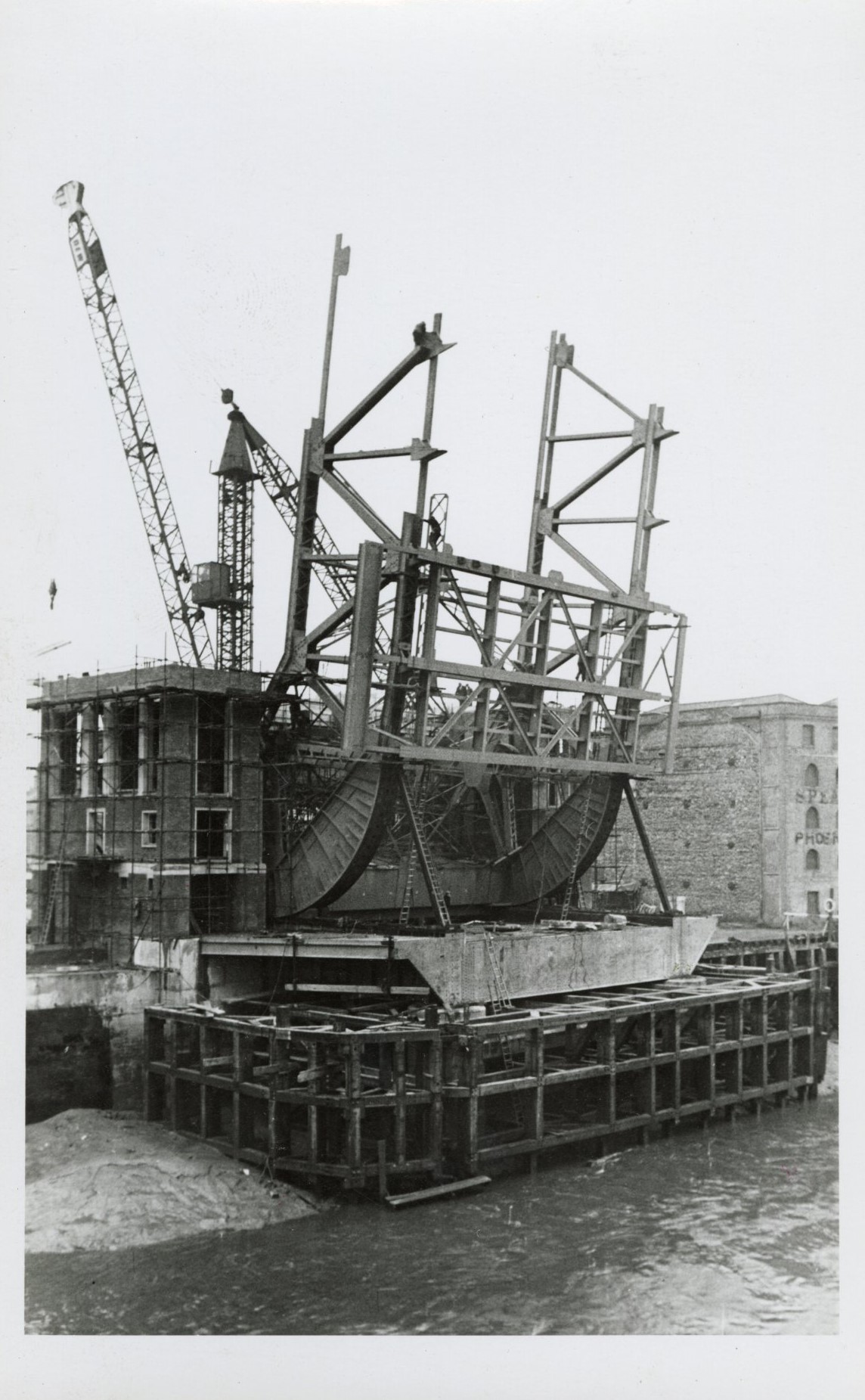 Drypool Bridge under construction over river with cranes
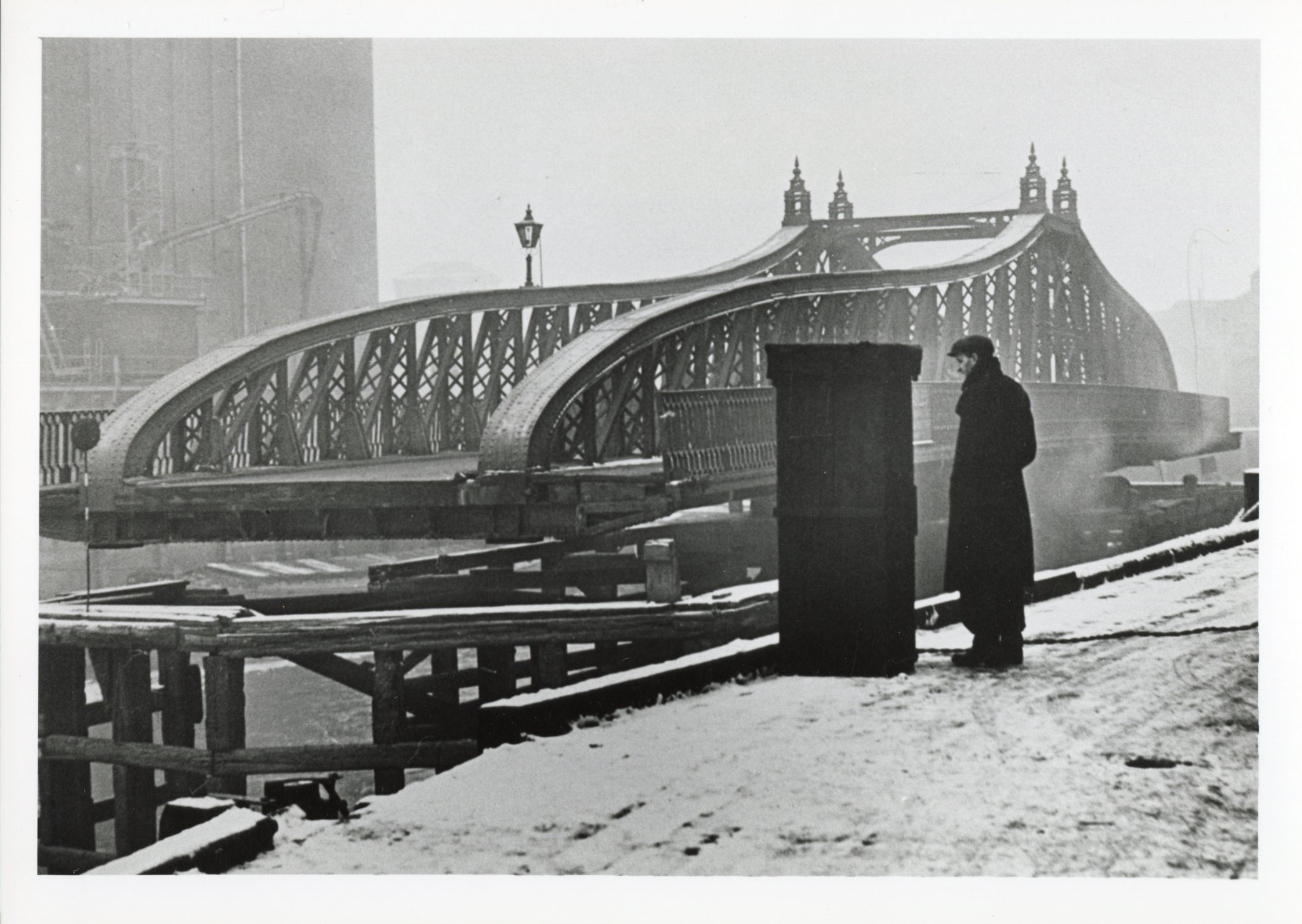 Man in coat standing near Drypool Bridge on foggy day
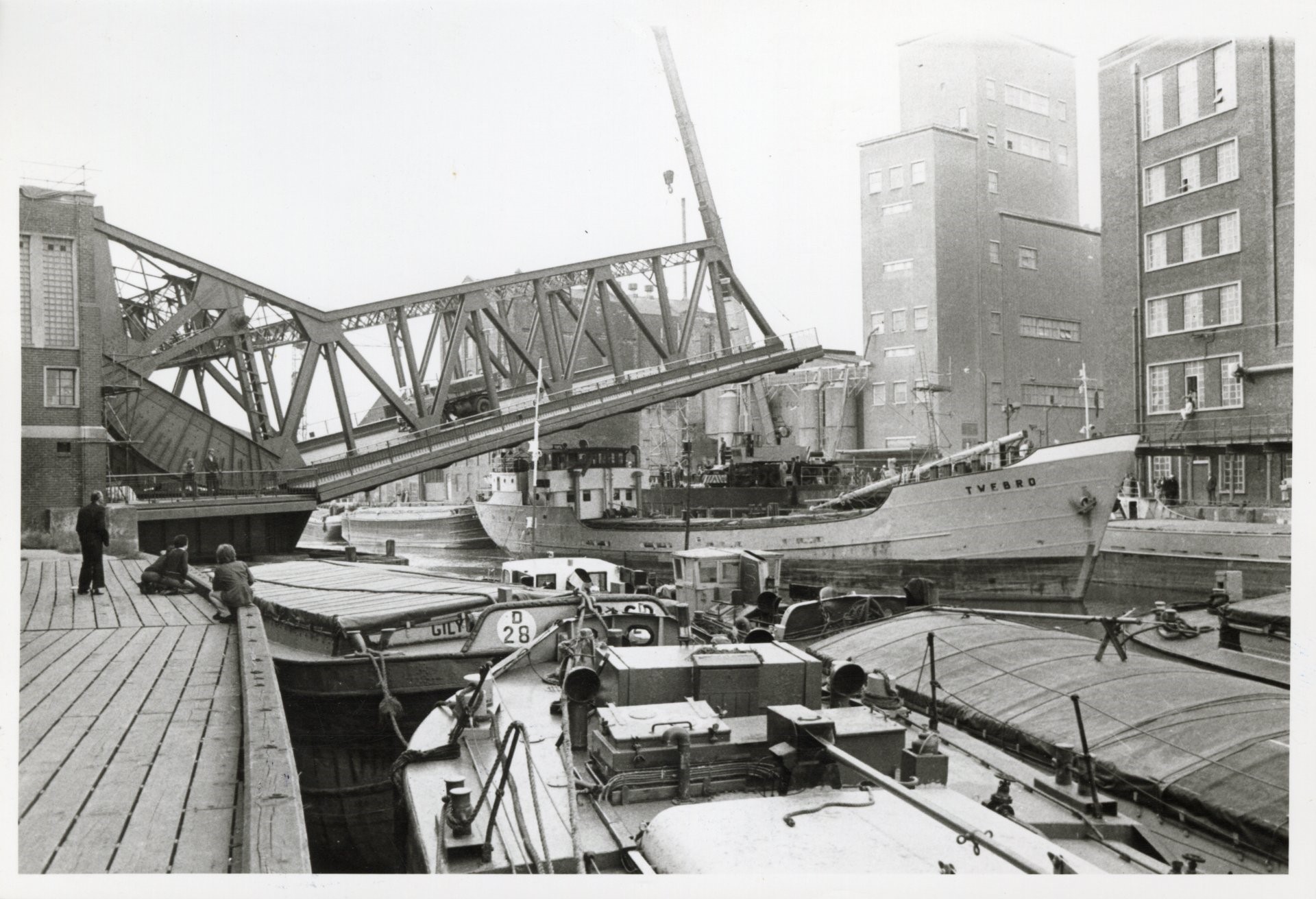 Historic Drypool Bridge over river with cargo ships and warehouses
Recent Renovations and Repairs
Throughout its life, Drypool Bridge has undergone routine maintenance, but the current repair programme marks the most extensive work since its construction. The repairs began in July 2025 and have already seen significant progress. Some of the key achievements include:
Replacement of the surfacing and nosing, along with repairs to the east fixed span.
Installation and strength testing of over 1,500 steel dowels to enhance stability.
Removal of defective concrete and rebar, with jacks and stanchions added to support the bridge's load.
High-level concrete columns were removed using wire saw cutting and then reconstructed.
Transverse beams were removed and replaced following concrete removal with high-pressure water jets.
Installation of high-level cathodic protection to prevent corrosion.
Clearing of silt to allow for inspections and low-level cathodic protection works.
Councillor Mark Ieronimo, who is in charge of transport and infrastructure at Hull City Council, expressed the importance of this project:
“Drypool Bridge is not only a vital link across the River Hull, but a proud part of our city’s heritage. This is the most significant programme of works the bridge has seen since opening in 1961 and represents a major investment in Hull’s infrastructure. With strong progress already made, these works will ensure the bridge is stronger, safer and ready to serve our city for decades to come.”
Community Impact and Future Prospects
The ongoing renovations are crucial for maintaining a reliable transport link for residents and businesses in Hull. The bridge not only facilitates everyday travel but also represents the city’s rich cultural identity. As Hull continues to modernise, preserving landmarks like Drypool Bridge ensures that the history and heritage of the city remain intact.
Paul Allen, Senior Project Manager at Esh Construction, which is part of the team working on the bridge, commented:
“With our extensive experience in delivering complex infrastructure projects, we’re proud to play a key role in restoring and preserving this important structure for future generations.”
Local company Mason Clark Associates is also involved in this project. Andy Thompson, the director of bridges at the firm, shared his pride in contributing to the bridge's future:
“As a Hull-based company, we’re proud to be contributing our expertise to a project that will safeguard the future of Drypool Bridge, ensuring it remains a safe, functional, and cherished part of Hull’s infrastructure for generations to come.”
Current Status and Future Plans
As of now, a second full closure of the bridge is in effect until the end of July 2026 to allow for a crucial phase of the repairs to be completed safely. Following this closure, work will continue under traffic management, with the bridge expected to reopen to traffic in both directions by winter 2026. Residents and visitors are encouraged to stay informed about the progress of the renovations and any changes to traffic conditions. For the latest updates, Hull City Council advises following Travel Hull on social media or checking their online traffic information. The efforts to repair Drypool Bridge highlight the importance of maintaining historical structures while ensuring they meet modern safety standards. This project showcases Hull's commitment to preserving its heritage for future generations, making it an important milestone in the city's ongoing development.
Yorkshire Team
The Yorkshire.com editorial team is made up of local writers, content creators, and tourism specialists who are passionate about showcasing the very best of God’s Own Country. With deep roots in Yorkshire’s communities, culture, food scene, landscapes, and visitor economy, the team works closely with local businesses, venues, and organisations to bring readers the latest news, events, travel inspiration, and insider guides from across the region. From hidden gems to headline festivals, Yorkshire.com is dedicated to celebrating everything that makes Yorkshire such a special place to live, work, and visit.
View all articles →