Yorkshire Team
History • February 18th, 2026
|Imagine the scene: you’re digging up a park, expecting to find nothing more exciting than soil, old pipes, and maybe a lost football. But then, your digger hits something. Something big. Something solid. That's exactly what happened in Hull’s Queen’s Gardens, where a huge piece of history was just pulled from the ground. Workers undertaking the big transformation of the gardens got a proper surprise when they unearthed a massive, historic cannon.
A discovery under the gardens
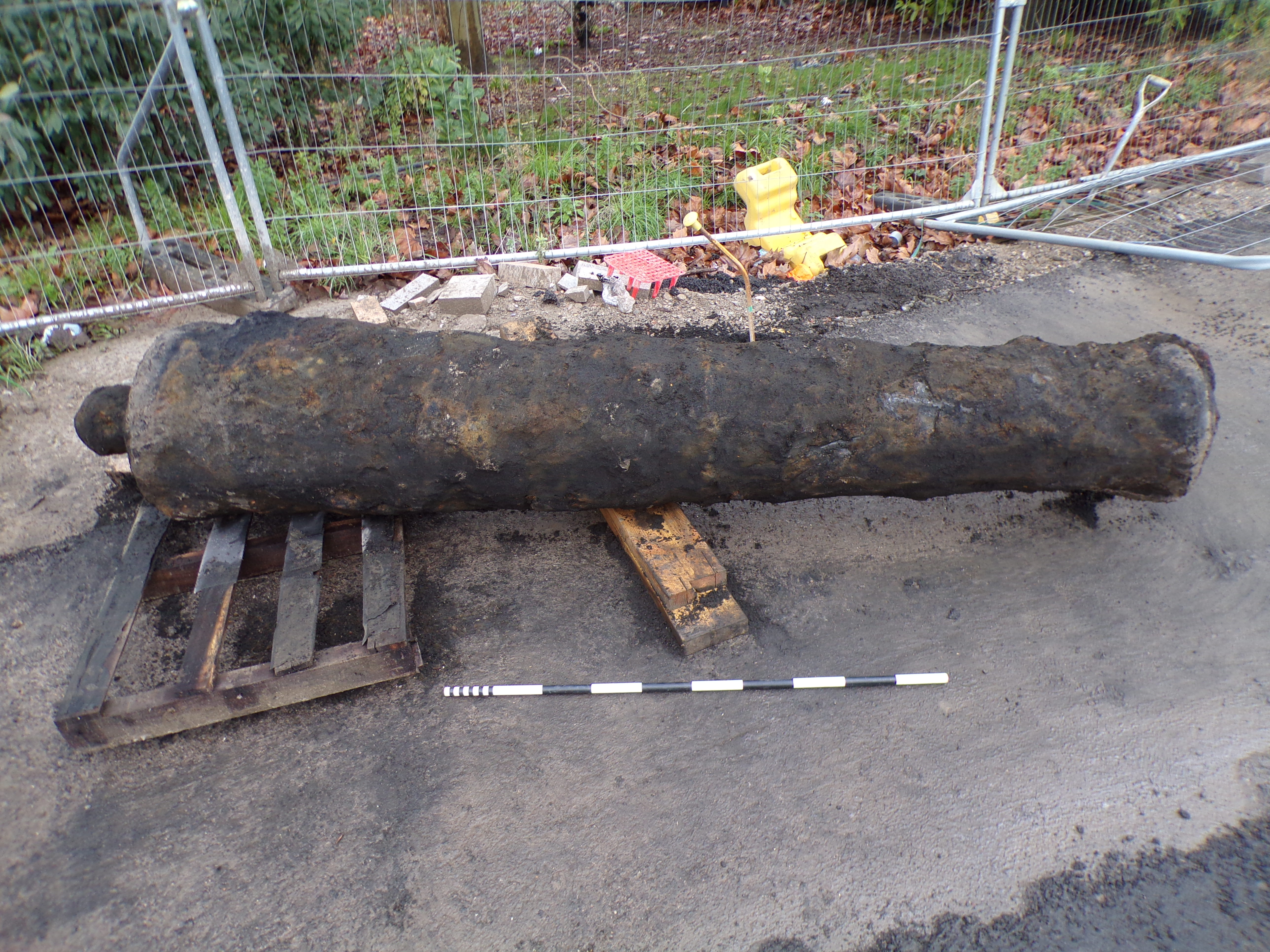
On what some might call an unlucky day, Friday 13 February, local contractors were busy with the ongoing improvement works. They were carrying out an excavation for something called an attenuation tank, which is basically a massive underground container to help prevent flooding. While digging, they found a huge object buried deep in the earth. It wasn't a rock or an old bit of building; it was a genuine, historic cast iron cannon. This incredible discovery immediately paused the regular work, as it was clear this was something special. The find in Hull has got everyone talking, turning a routine construction job into a major archaeological event. It’s a reminder that history is often lying just beneath our feet, waiting for a bit of careful excavation to bring it to light.
What exactly did they find?
So, what are the details of this amazing find? The archaeology team called in to have a look reckons the cannon is seriously old, possibly dating from the 17th or 18th century. Think about that for a moment – this lump of metal could have been around during the age of pirates and huge sailing ships! It’s a hefty piece of kit, too. The cannon measures about 2.6 metres long, which is taller than most basketball players, and it's thought to weigh over a tonne. That’s about the same as a small car. This isn't just any old cannon; it's a significant link to Hull's vibrant maritime and military past. Initial checks show it was decommissioned at some point, meaning it was made so it couldn't be fired anymore. But its story didn't end there. The team believes this cannon had a second career after its military service was over.
From battlefield to dockside
Here’s where the story of the cannon gets even more interesting. The archaeologists noticed that its nozzle, the bit where the cannonball comes out, had been deliberately blocked up. Their theory is that the cannon was repurposed as a mooring post. What’s a mooring post? It's one of those big, sturdy posts you see at a harbour, used for tying up massive ships. This was a common thing to do back in the late 19th and early 20th centuries. It makes perfect sense, especially when you remember that Queen’s Gardens was actually built on top of what used to be a huge dock. So, this old weapon, once part of the city's defence, spent its retirement years as a handy post for the ships that made Hull a bustling port. It was probably just pushed over into the dock when it was filled in back in the 1930s, and there it sat, forgotten, until this recent excavation. This single discovery tells a brilliant story about the city's changing landscape.
What the experts are saying
The experts are obviously very excited about this find. Peter Connelly, from Humber Field Archaeology, shared his thoughts on the importance of the discovery. He said, “This is a fascinating discovery that offers a glimpse into Hull’s maritime and military past. Our archaeology team is now carrying out detailed assessments and we’ll be able to share more once their work is complete.”
This kind of archaeological find doesn't happen every day. Mr. Connelly also pointed out how important it is for the digging work to be done carefully. “Finds like this highlight the rich history beneath our city and the importance of careful excavation as we deliver the Queen’s Gardens transformation.” It shows that while the city is building for the future, it's also uncovering incredible stories from its past. The team will now begin the detailed analysis of the cannon to learn everything they can from it.
What happens to the cannon now?
The cannon's journey is far from over. It’s not just going to be left on the side of the building site. The next step is for this historic artefact to be carefully moved off-site. Once it's in a safe and secure location, the real work begins. A full archaeological analysis will be carried out. This is a bit like a detective investigation, where experts will study every inch of the cannon to confirm its age, where it was made, and everything else about its long life. Every detail will be officially recorded to preserve its story for future generations. While the analysis of the cannon is underway, the excavation work will continue in Queen's Gardens, with everyone now keeping a very close eye out for what else might be hiding down there. More news on this incredible discovery is expected once the full analysis is complete.

Yorkshire Team
The Yorkshire.com editorial team is made up of local writers, content creators, and tourism specialists who are passionate about showcasing the very best of God’s Own Country. With deep roots in Yorkshire’s communities, culture, food scene, landscapes, and visitor economy, the team works closely with local businesses, venues, and organisations to bring readers the latest news, events, travel inspiration, and insider guides from across the region. From hidden gems to headline festivals, Yorkshire.com is dedicated to celebrating everything that makes Yorkshire such a special place to live, work, and visit.
View all articles →