
Welcome to Yorkshire
News • October 30th, 2024
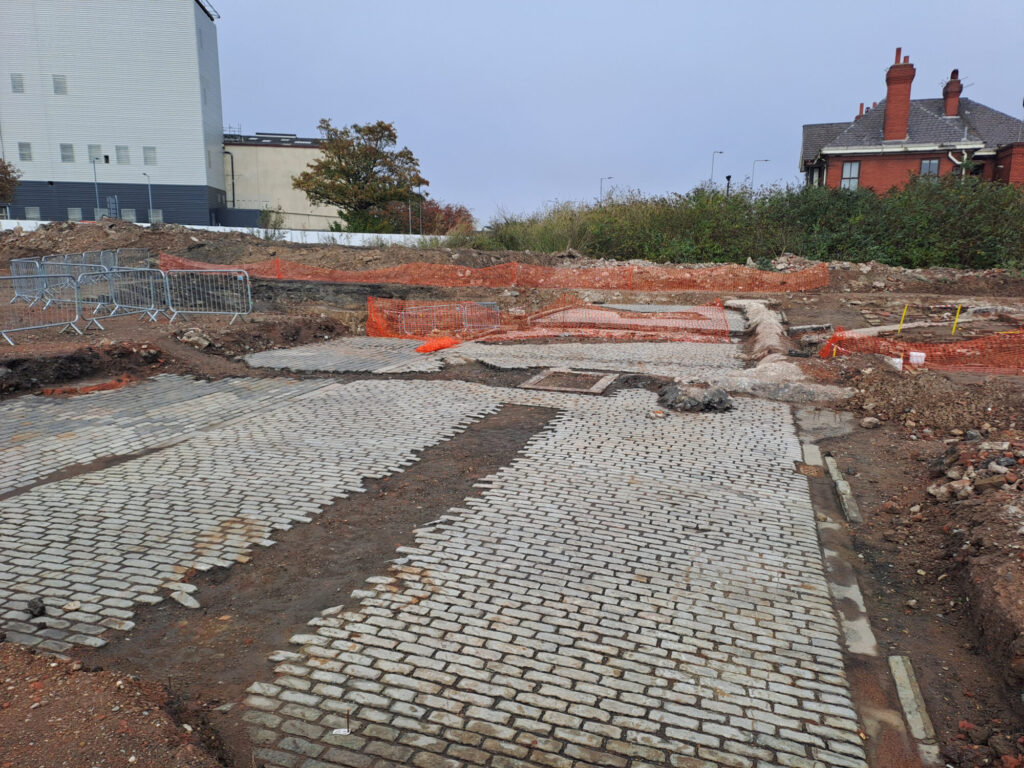
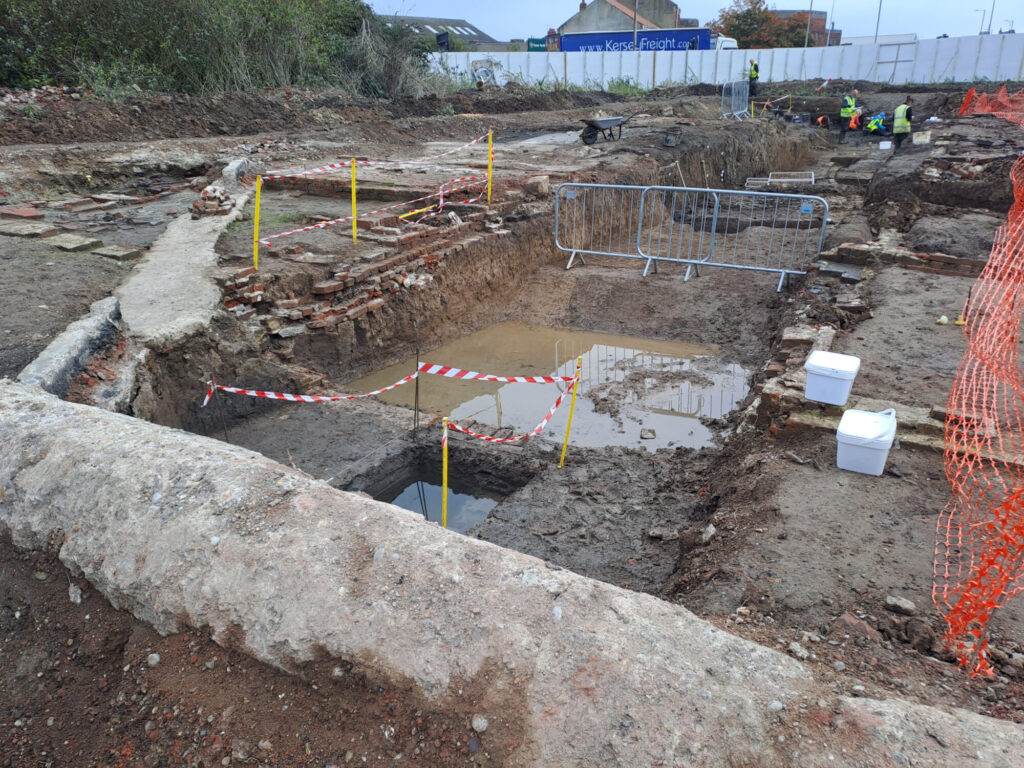
|In Hull a community dig at Drypool’s East Bank has just finished and has uncovered some amazing history. For six weeks a team of volunteers and Humber Field Archaeology (HFA) have been digging up historic artefacts, some dating back to the time of Edward I – the same period Hull got its charter.
These finds, beneath the former Clarence Mill site, go from medieval to World War II Hull and show how the area has changed over the centuries.
Hull’s history uncovered: From medieval to modern
Volunteers under HFA’s Peter Connelly carefully uncovered artefacts that told the story of Drypool. Among the finds were remains of King Henry VIII’s defensive wall from the 1500s, 18th century houses and even the remains of the “pool” that gave Drypool its name. This ancient pool, once the heart of the village, had been filled in and forgotten for centuries.
But the dig didn’t stop at medieval treasures. They also found evidence of the area’s turbulent history during World War II, including bomb damaged Harcourt Street. Each find is a piece of Hull’s history, linking medieval defence with 20th century resilience.
History uncovered: Volunteers find the unexpected
About 120 volunteers took part in the project and dug up items from across the centuries. For some, like Ursula, it was their first time at an archaeological dig. She said
“I found 14th century pottery to Victorian rubbish! The HFA team were so helpful, explaining everything we found and I met so many people along the way.”
Her comment sums up the dig’s sense of community and shared learning which brought people from all walks of life together.
What’s next for Hull
This dig is more than just a journey through time; it’s also part of Hull City Council’s East Bank Urban Village development plans to regenerate and revitalize the area. The findings from the excavation will inform these future projects and help preserve Hull’s heritage while creating spaces for modern living.
For more of Hull’s history check out Hull’s historical sites and local events on Yorkshire.com. If you like Hull’s archaeology you might also like Yorkshire’s other historical landmarks and guided walks across the region.
By involving the community in this way we’re showing that preserving our heritage is about more than what we find beneath our feet but about linking people across time. Hull’s history lives on with a bit of help from those digging in the mud.
Yorkshire Team
The Yorkshire.com editorial team is made up of local writers, content creators, and tourism specialists who are passionate about showcasing the very best of God’s Own Country. With deep roots in Yorkshire’s communities, culture, food scene, landscapes, and visitor economy, the team works closely with local businesses, venues, and organisations to bring readers the latest news, events, travel inspiration, and insider guides from across the region. From hidden gems to headline festivals, Yorkshire.com is dedicated to celebrating everything that makes Yorkshire such a special place to live, work, and visit.
View all articles →


