Welcome to Yorkshire
Inspiration • October 21st, 2025
|Ever thought about the amazing wildlife right on your doorstep? It’s not all about pandas and tigers on the other side of the world. Right here in the UK, there are some incredible creatures, and some of them are in a spot of bother. On 21st October 2025, it was announced that The Deep, the conservation charity and aquarium, has been shortlisted for a huge national award. It’s for a fantastic project that’s all about saving a tiny, almost-forgotten animal. The award is part of the Great British Wildlife Restoration competition, a scheme that gives a massive shout-out to people working hard to protect our native species.
What's a crystal moss animal anyway?
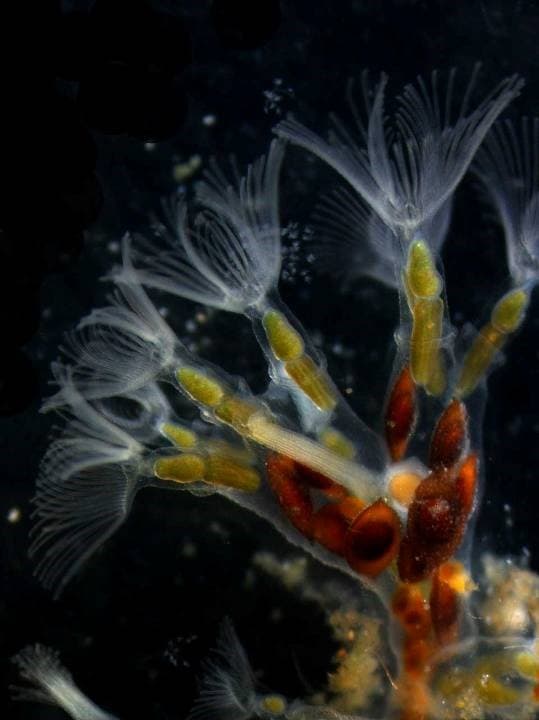
So, what’s this mysterious creature? It’s called the Crystal Moss Animal, and it’s not exactly something you’d spot on a daily walk. These are tiny invertebrates, which just means they don’t have a backbone. They live in water and are ‘filter-feeders’, meaning they munch on teeny-tiny particles they strain from their surroundings. Think of them as living water purifiers. They might be small, but they’re an important part of their ecosystem. The big problem is that this particular species is facing a serious decline. A combination of habitat loss and other environmental pressures has put their survival at risk. Without help, this unique little animal could disappear from our waterways for good. This conservation project aims to stop that from happening.
So what are blow wells?
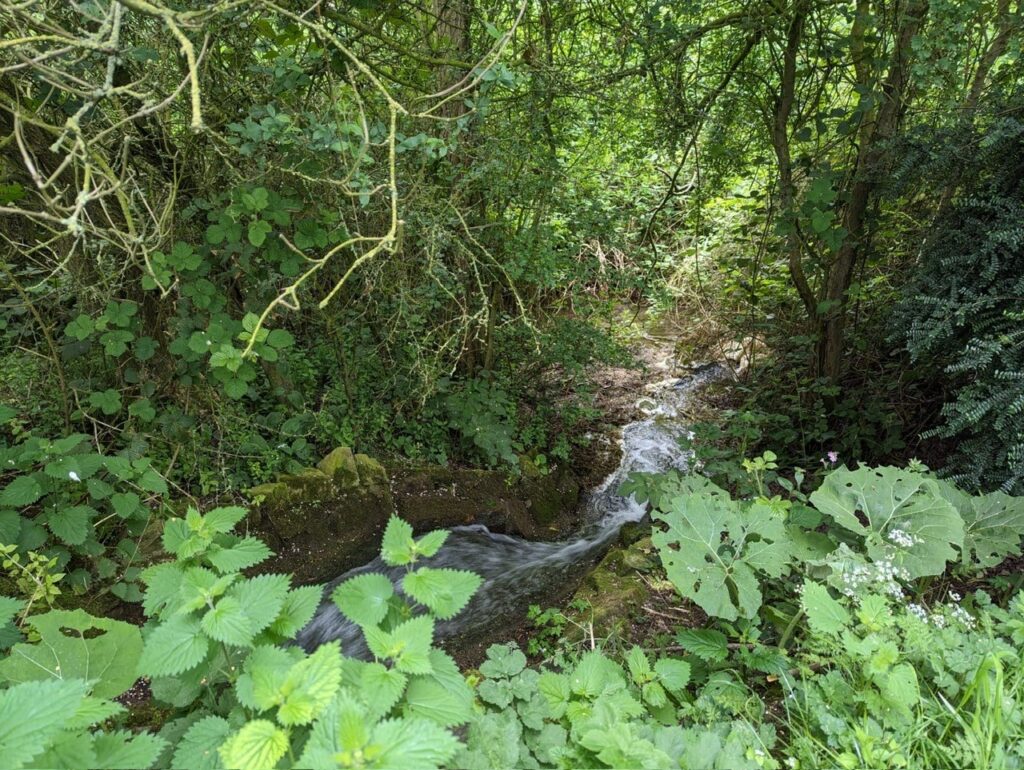
The story of the Crystal Moss Animal is tied to a very special kind of place: a ‘blow well’. Now, this isn’t your average pond. Blow wells are a super rare type of spring, and they form a unique habitat that’s globally scarce. In fact, they are only found in 37 locations around North and North East Lincolnshire. It's in these special chalk streams that the Crystal Moss Animal has been found. Because this habitat is so rare, the species that depend on it are extra vulnerable. The Lincolnshire Chalk Streams Project is focused on safeguarding these precious spots, recognising that protecting the habitat is the first step in ensuring the survival of the wildlife that calls it home. The restoration of these areas is key to the entire project.
The rescue mission: a huge collaboration
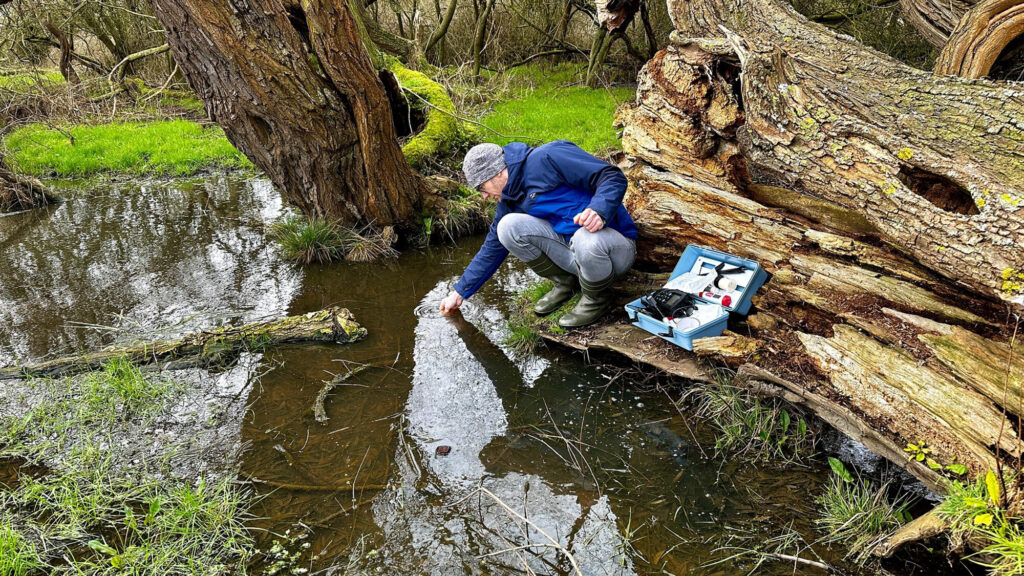
Saving a species isn’t a one-person job. It takes a village, or in this case, a massive collaboration. The Lincolnshire Chalk Streams Project has brought together local councils, different charities, and conservation groups, all united under Natural England’s Species Recovery Programme. The Deep, being a major conservation charity, has thrown its expertise into the ring. Its specialists are using their skills in water analysis to figure out which blow well sites are healthy enough to support the Crystal Moss Animal. But it doesn't stop there. The team at The Deep is also rearing these animals from something called 'statoblasts'. You can think of a statoblast as a tiny survival capsule or a seed. In the right conditions, a whole new colony can grow from one. This amazing bit of science could mean that one day, new populations can be introduced across multiple sites, which would be a massive step towards securing the future survival of this native species.
Finding the unfindable with environmental DNA
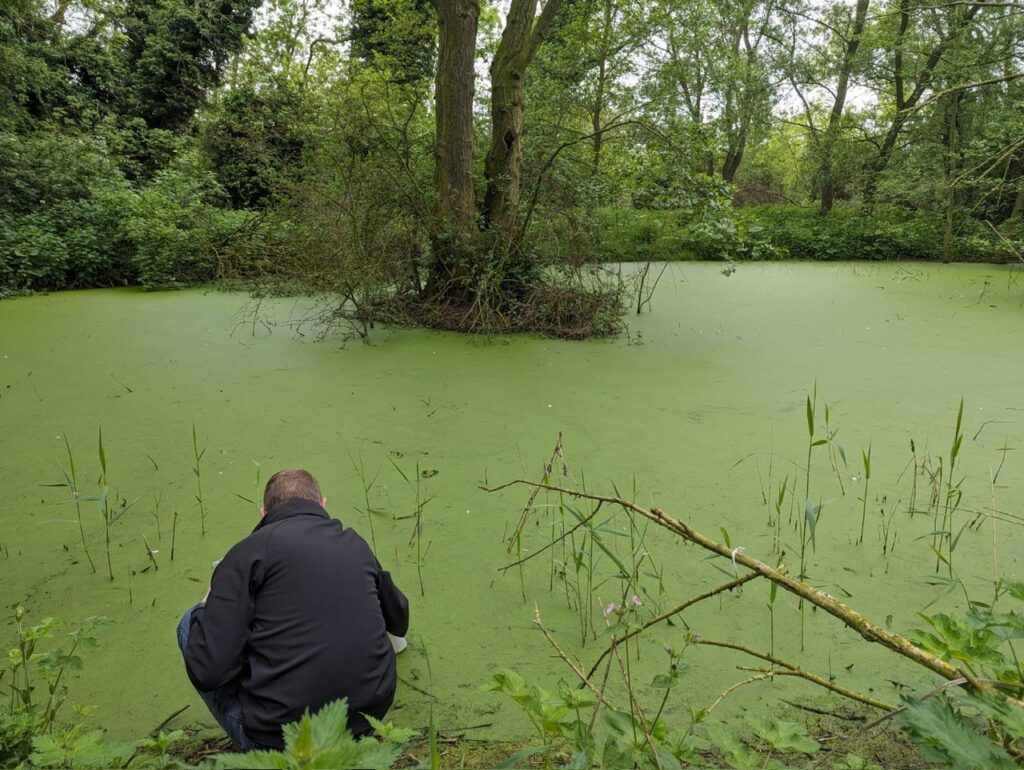
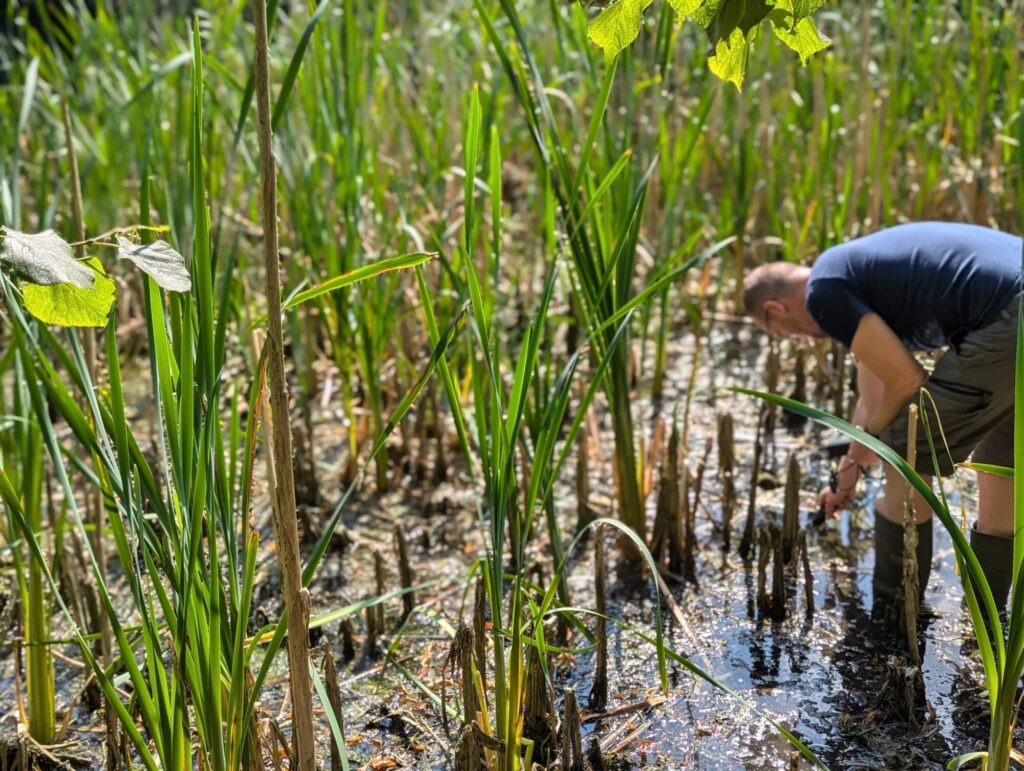
This whole project has involved some serious dedication. Imagine spending nearly two years wading through streams, peering down microscopes, and working with volunteers and researchers. It’s been a massive effort. And they’ve used some clever tech to help. One of the coolest tools is environmental DNA, or eDNA. It’s a bit like a crime scene investigation for wildlife. Animals leave tiny traces of their DNA in the environment – in the water, in this case. By taking a water sample, scientists can test for this DNA and see if a certain species has been there, even if they can’t physically see it. Thanks to this technique, the Crystal Moss Animal has now been detected at 12 sites across 8 counties. Some were places it was known to live historically, but some were completely new discoveries. It’s a brilliant sign that this often-overlooked species might be tougher than anyone thought, giving a real boost to the restoration project.
A big shout-out from BIAZA
The whole competition is organised by BIAZA, which stands for the British and Irish Association of Zoos and Aquariums. Their Great British Wildlife Restoration scheme aims to shine a spotlight on all the fantastic work zoos and aquariums do for our native wildlife. It’s easy to forget that these places are conservation powerhouses, both for global species and for those closer to home. The Lincolnshire Chalk Streams Project is just one of 27 shortlisted projects, which shows the sheer amount of effort going into protecting our natural world, from restoring red squirrels to planting seagrass.
Andy Hall, who founded the Great British Wildlife Restoration competition for BIAZA, said:
“These amazing projects are just a snapshot of the decades of dedicated work that conservationists are putting into our great British wildlife. Its up to all of us to make a difference and make sure future generations will live in a better and wilder world.”
Why this project matters so much
Being shortlisted for this national award is a huge deal. It acknowledges the hard work and collaboration behind the Lincolnshire Chalk Streams Project. When we think of conservation, our minds often jump to faraway rainforests or vast oceans. But projects focused on native species are just as important. They protect the delicate balance of our own ecosystems and save the wildlife that makes Britain unique. It's a huge team effort, with many zoos and aquariums involved in similar conservation work.
Ben Jones, Director of Husbandry & Exhibition at The Deep, shared his thoughts:
“As a conservation charity, it has been incredibly rewarding to participate in the Lincolnshire Chalk Streams Project, offering support and expertise to aid a small team with an exciting ambition: to conserve Lincolnshire’s hidden gem.”
“Native species projects may be overlooked; however, they are equally as crucial as large-scale global projects in conserving species. Native conservation projects, such as the Lincolnshire Chalk Streams Project and the many others that BIAZA members are involved with, work tirelessly to help secure the future of some of our most loved yet threatened species here in the UK. That’s why we are immensely proud to have been shortlisted for the award, and to be part of amplifying the fantastic work of BIAZA member sites through the brilliant Great British Wildlife Restoration competition.”
What happens next?
So, The Deep has been shortlisted. What’s the next step? This is where things get interesting. The final decision rests with Members of Parliament. They will vote for the project they feel is most deserving of the national award. It’s a brilliant way to get politicians to pay attention to the decline of our native species and the urgent need for action. The winner from last year was Chester Zoo’s project to save a rare Welsh plant, so the competition is tough. As a shortlisted project, the team from The Deep will be invited to a special awards evening at the House of the Speaker of the House of Commons in January 2026, where the winner will be announced. It’s a fantastic recognition of a project that’s fighting for the survival of one of Britain's tiniest, but most special, creatures.

Yorkshire Team
The Yorkshire.com editorial team is made up of local writers, content creators, and tourism specialists who are passionate about showcasing the very best of God’s Own Country. With deep roots in Yorkshire’s communities, culture, food scene, landscapes, and visitor economy, the team works closely with local businesses, venues, and organisations to bring readers the latest news, events, travel inspiration, and insider guides from across the region. From hidden gems to headline festivals, Yorkshire.com is dedicated to celebrating everything that makes Yorkshire such a special place to live, work, and visit.
View all articles →



Comments
0 Contributions
No comments yet. Be the first to start the conversation!