
Welcome to Yorkshire
Published on July 9th, 2025
•Ever seen a whale skeleton up close? You're about to...
Picture this. You're walking through a museum, minding your own business, when you look up. And hanging right above your head is a gigantic whale skeleton. Not just one, but a whole family of them. Sounds pretty cool, right? Well, if you’re anywhere near Hull, that's exactly what you'll get to see. Something massive is happening at the Hull Maritime Museum, and it all started on 07 July 2025. After a long holiday getting a serious spa treatment, some of the museum's biggest stars are back in the building.
The big move: what's back in the building?
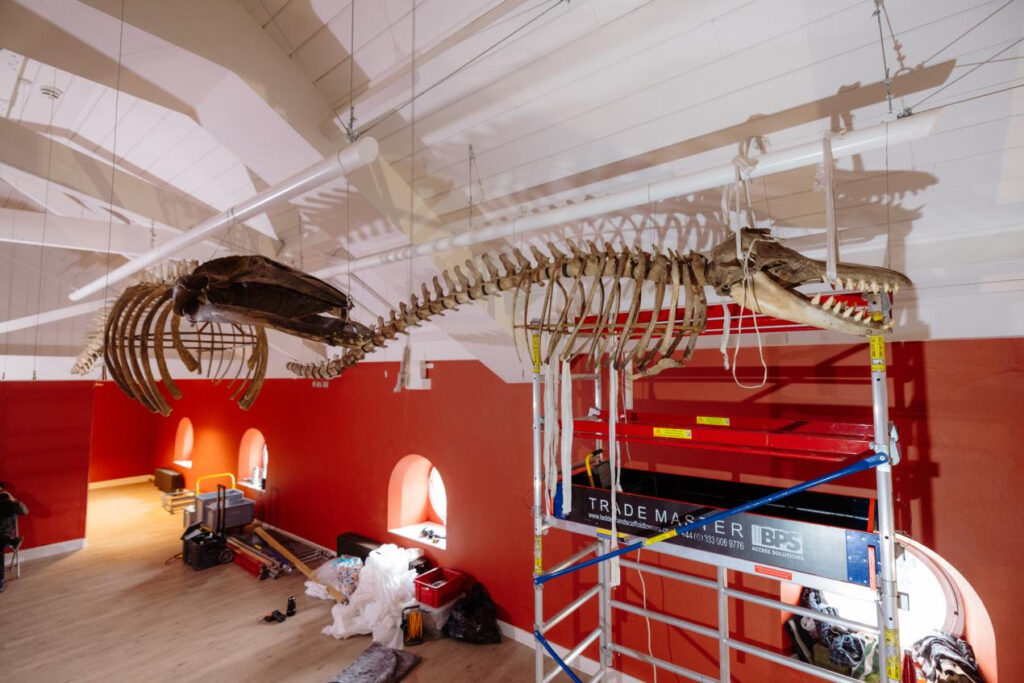
So, who are these returning celebrities? We're talking about five massive marine skeletons that have been part of Hull's history for ages. They’ve been away for a bit, getting a full-on conservation makeover. Think of it like a deep-clean and repair job for really, really old and important bones. And now, they’re the first major pieces to be moved back into the museum as it gets its own multi-million-pound glow-up.
The line-up is seriously impressive. There’s a minke whale, a killer whale (don't worry, it's just the skeleton), a lesser rorqual (which is another name for a minke whale), a false killer whale, and a bottle-nosed whale. But the star of the show might just be the massive four-metre-long jawbones of a sperm whale. Can you imagine a mouth that big? They'll all be hanging from the ceiling, so you’ll get to see them from a totally new angle, like they're swimming in the air above you.
And if that wasn't enough, there's another giant on the way. A 15-metre-long juvenile North Atlantic right whale is set to make its grand return early next year. That's about as long as a bus. A baby bus-whale. Amazing.
A whale of a job: getting them ready for their close-up
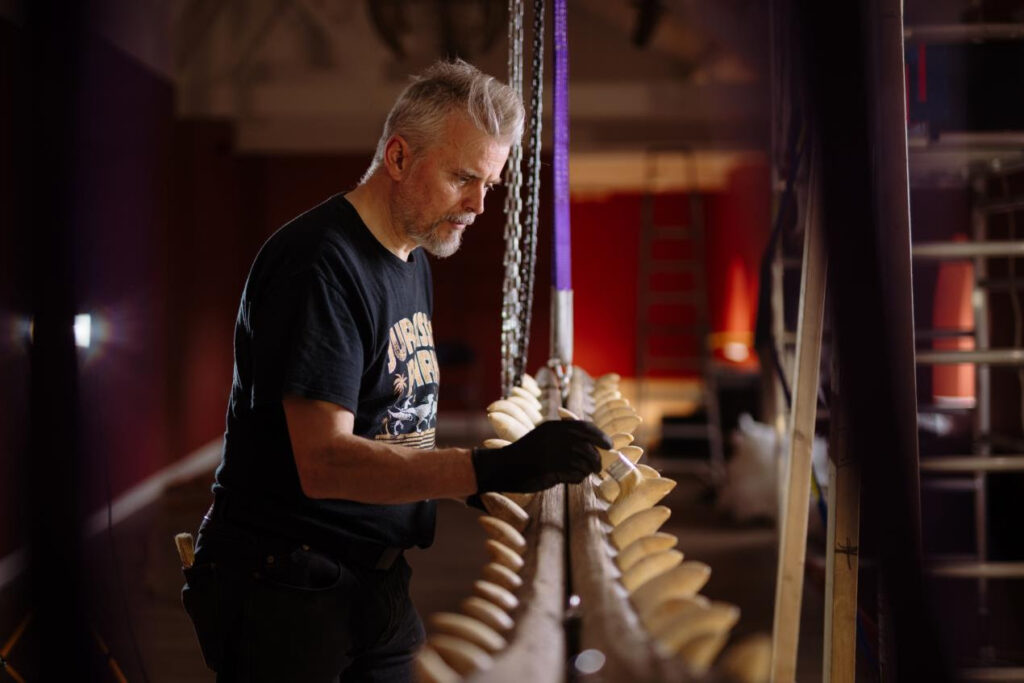
Getting these skeletons ready wasn't exactly a weekend job. It was a huge project led by a guy named Nigel Larkin, who's a bit of a rockstar in the world of natural history conservation. His job was to take each skeleton apart, bone by fragile bone. Imagine a Lego set, but a thousand times bigger, heavier, and way more important.
Each bone was then carefully cleaned. We're talking about getting rid of decades of dust and grime to make them look their best. Nigel and his team had to check every single piece for damage before putting them all back together using modern, stronger materials. This isn’t just about making them look good, it’s about making sure they can hang safely in the museum for another hundred years or more for everyone to enjoy.
As Nigel Larkin himself said:
“It is very satisfying to see these beautiful skeletons return to their home and be on display again for the public to enjoy. It has been a huge project for me to dismantle each skeleton, carefully clean and assess every bone and then remount them with modern techniques and materials so that they can be enjoyed by visitors for many more decades to come. It has been a privilege to spend so much time with these beautiful animals.”
So, what's next for the museum?
Putting the whales back is just the start. Now that the big guys are in place, the real fun of fitting out the museum begins. A company called Marcon, who are experts in this sort of thing, are coming in to handle the rest. They'll be installing all the high-tech stuff, like screens, speakers, and cool lighting to make the displays pop. They’re also building the display cases, stands, and even some hands-on mechanical models and props. It's going to be a proper modern museum experience.
It’s a massive team effort, and everyone is excited to see the project move into this new phase. As Councillor Mike Ross, Leader of Hull City Council, put it:
“It is great to see the museum entering this stage of the transformation. The suspension of these fragile skeletons is a huge undertaking and will offer visitors a unique view of these conserved artefacts. This is an exciting chapter in the project as the museum comes back to life.”
The plan is to have hundreds of other artefacts returned and installed over the coming months. The grand reopening is scheduled for sometime in 2026. So, we've still got a little while to wait, but it sounds like it will be more than worth it.
More than just a museum
This whole thing is part of a much bigger project called Hull Maritime. The idea is to celebrate the city’s incredible connection to the sea. It’s not just the museum getting a facelift. Six different historic sites are being transformed.
This includes doing up the beautiful old Dock Office Chambers and redesigning Queens Gardens to create a better link between the city and its waterfront. They're also restoring two famous ships, the Arctic Corsair and the Spurn Lightship, so people can experience them properly. It's about taking Hull's amazing maritime stories and putting them right where everyone can see them, building on the success of the UK City of Culture.
It's a project for everyone in Hull, bringing new jobs, skills, and volunteer opportunities. And for visitors, it's going to make Hull an even better place to come and explore.
Who's making all this happen?
A huge project like this needs a lot of support, and a big chunk of it comes from The National Lottery Heritage Fund. Thanks to people playing the National Lottery, the fund can invest billions of pounds into protecting the UK's heritage. Whether it's a famous museum, a local park, or the cultural traditions that make a place special, they help keep it going for future generations. It’s their support, alongside Hull City Council, that's making this spectacular transformation possible. And soon, we'll all get to see the amazing results for ourselves.
Yorkshire Team
The Yorkshire.com editorial team is made up of local writers, content creators, and tourism specialists who are passionate about showcasing the very best of God’s Own Country. With deep roots in Yorkshire’s communities, culture, food scene, landscapes, and visitor economy, the team works closely with local businesses, venues, and organisations to bring readers the latest news, events, travel inspiration, and insider guides from across the region. From hidden gems to headline festivals, Yorkshire.com is dedicated to celebrating everything that makes Yorkshire such a special place to live, work, and visit.
View all articles →